
Justice Surya Kant to Take Oath as 53rd CJI on Nov 24
Will assume office on November 24, succeeding CJI BR Gavai; tenure to last till February 2027

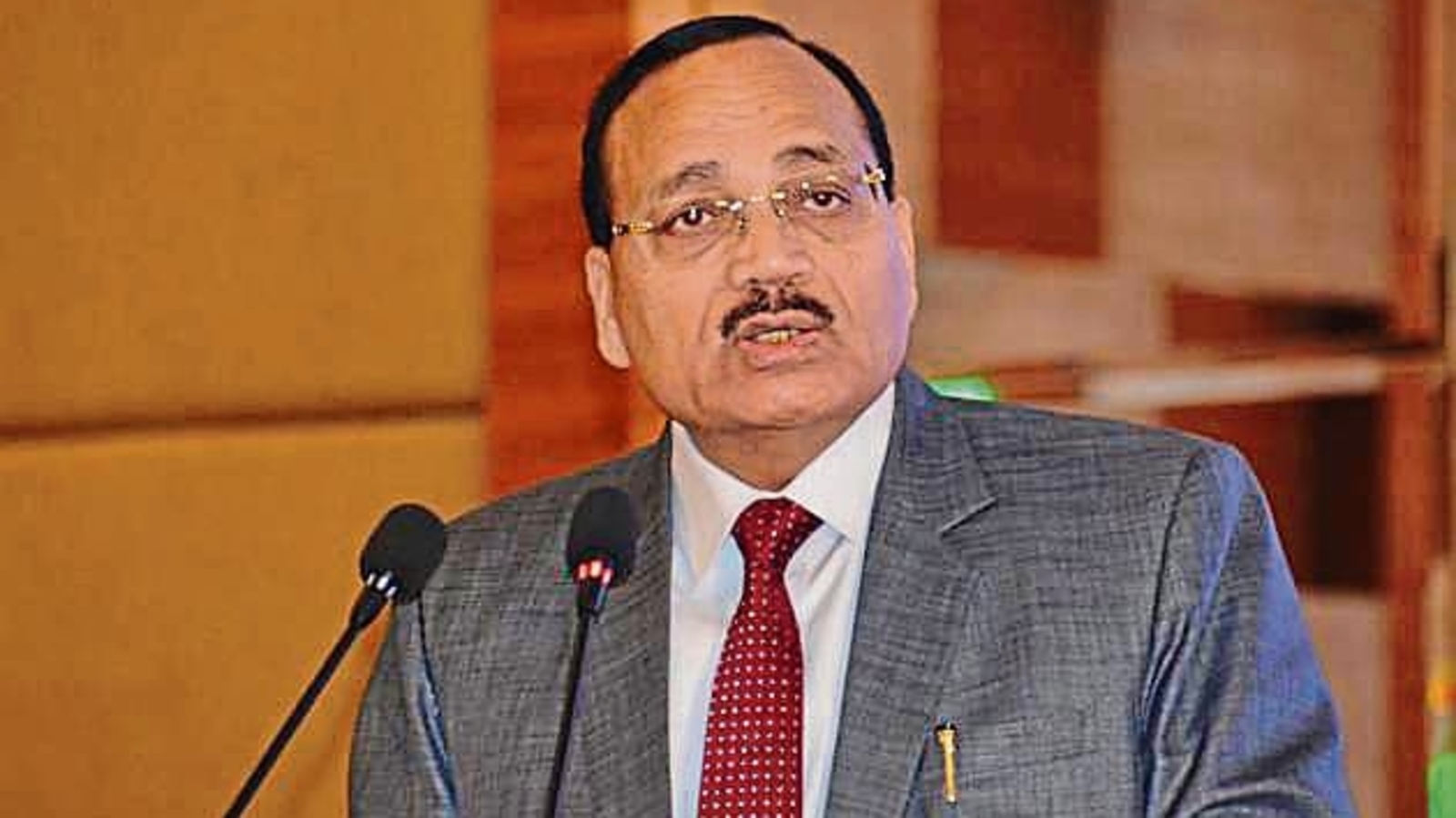
- Justice Surya Kant appointed as the 53rd Chief Justice of India, to take charge on November 24.
- Law Minister Arjun Ram Meghwal confirmed the appointment, extending congratulations on X.
- Justice Kant, elevated to the Supreme Court in 2019, will serve a 14-month tenure till February 9, 2027.
- Known for key rulings on Article 370, free speech, sedition law, gender equality, and electoral transparency.
GG News Bureau
New Delhi, 30th Oct: Justice Surya Kant has been appointed as the next Chief Justice of India (CJI) and will assume office on November 24, succeeding Chief Justice BR Gavai. The announcement was made late Thursday, with Law Minister Arjun Ram Meghwal confirming the appointment on X.
“In exercise of the powers conferred by the Constitution of India, the President is pleased to appoint Justice Surya Kant, Judge of the Supreme Court of India, as the Chief Justice of India with effect from November 24,” Meghwal posted, extending his best wishes to the new CJI.
Justice Surya Kant, who was elevated to the Supreme Court on May 24, 2019, will be the 53rd Chief Justice of India. He will serve a tenure of around 14 months before retiring on February 9, 2027. The retirement age for Supreme Court judges is 65.
Born on February 10, 1962, in Hisar, Haryana, Justice Kant is known for his landmark contributions to constitutional law, civil liberties, and judicial reforms. His notable verdicts include the Supreme Court’s decision upholding the abrogation of Article 370 in Jammu and Kashmir, and the directive keeping the colonial-era sedition law in abeyance pending government review.
He also pushed for electoral transparency by asking the Election Commission to disclose details of 65 lakh voters excluded from revised rolls, and mandated one-third reservation for women in bar associations, including the Supreme Court Bar Association.
Justice Kant upheld the One Rank-One Pension (OROP) scheme for the military, terming it constitutionally valid, and heard petitions demanding parity for women in permanent commissions in the armed forces.
A member of the bench that handled the Pegasus spyware case, Justice Kant emphasized that the state cannot claim “a free pass under the guise of national security,” asserting the primacy of citizens’ rights and privacy.
Justice Surya Kant’s elevation marks another chapter in India’s judiciary, with expectations high for his continued emphasis on constitutional morality, accountability, and social equity.
