
Israel launches air strikes in Gaza after ‘terrorists’ targeted troops in Rafah

By Anjali Sharma
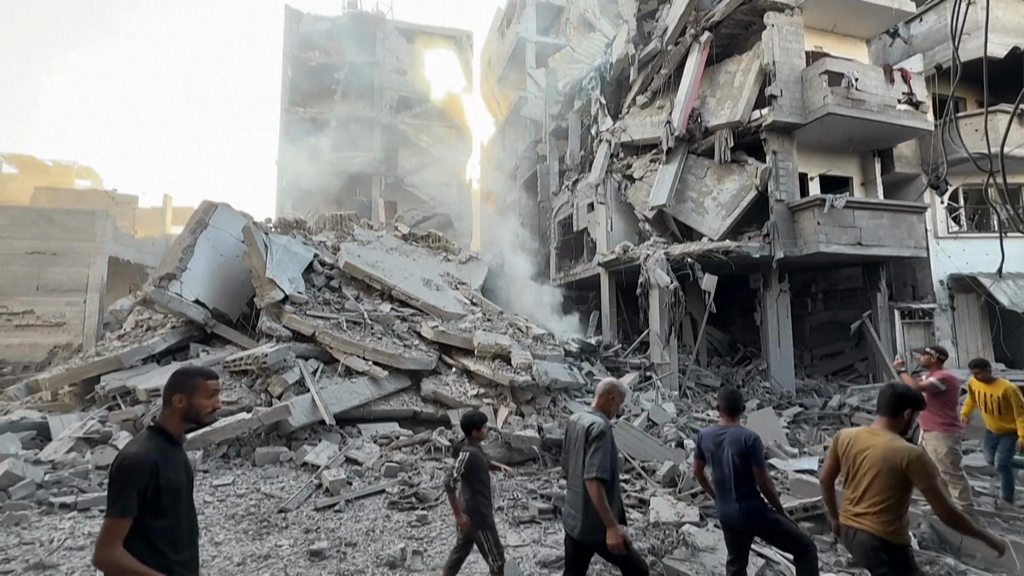
WASHINGTON – The Israel Defence Forces on Sunday said in a post on X carried out air strikes in the Rafah area of southern Gaza on Sunday after accused “terrorists” of targeting its troops in Rafah area.
According to the IDF, “Earlier today, terrorists fired an anti-tank missile and gunfire toward IDF troops operating to dismantle terrorist infrastructure in the Rafah area, in southern Gaza, in accordance with the ceasefire agreement.”
The military said it has responded by striking the area to “eliminate the threat and dismantle tunnel shafts and military structures used for terrorist activity.”
“These terrorist actions constitute a blatant violation of the ceasefire agreement, and the IDF will respond firmly,” the statement added.
Israeli Prime Minister Benjamin Netanyahu in response to the escalating situation, convened a meeting with the Defence Minister and senior security officials after reports that Hamas had violated the ceasefire on Sunday.
Netanyahu held a consultation with the Defense Minister and the heads of the security establishment and directed that strong action be taken against terrorist targets in the Gaza Strip,” after the violation of the ceasefire by Hamas,
The announcement came after a tense situation on the ground.
According to Palestinian officials, the Israeli army has reportedly carried out 47 violations of the ceasefire since it took effect in early October, resulting in 38 deaths and 143 injuries, reported Al Jazeera.
On October 10, Israel and Hamas reached a ceasefire in Gaza, pausing the two-year conflict. But with the hostage exchange concluded, the truce now faces potential challenges.
The broader conflict has had a devastating toll since October 7, 2023. Israel’s military operations in Gaza have killed at least 68,116 people and wounded 170,200, while in Israel, 1,139 people were killed during the October 7 attacks, and over 200 were taken captive.
Netanyahu on Saturday ordered the Rafah border crossing between Gaza and Egypt to remain closed “until further notice,” linking the decision to Hamas’ handling of Israeli hostages’ bodies.
The Rafah crossing, the only exit from Gaza not directly controlled by Israel, serves as a critical humanitarian and logistical lifeline for residents of the besieged enclave. Its periodic closures underscore the complex political and security conditions in the region.
According to the Prime Minister’s Office, “PM Netanyahu instructed that the Rafah border crossing will not open until further notice. Its opening will be under consideration in accordance with the manner in which Hamas implements its part in return for the deceased hostages and implementation of the agreed-upon framework.”
Palestinian Embassy in Cairo had announced that the Rafah crossing would reopen on Monday, October 20, after coordination with Egyptian authorities to allow Palestinian citizens residing in Egypt to return to the Gaza Strip. The embassy added that further logistical details regarding gathering points and departure times would be communicated directly to those affected.
Hamas handed over two more captives’ bodies to Israel.
The Israel Defence Forces confirmed that the coffins were transferred into Red Cross custody and are on their way to Israeli personnel in Gaza, adding that Hamas is required to return all remaining hostages under the agreement.
The ongoing tensions, Hamas accused Netanyahu of using “flimsy pretexts to disrupt” the ceasefire deal, while protesters in Tel Aviv rallied, demanding that the government secure the return of all remains of hostages from Gaza.
