
Is New York Losing Its Moral Compass?
Who will Give Answer of these Questions?

By Subodh Mishra
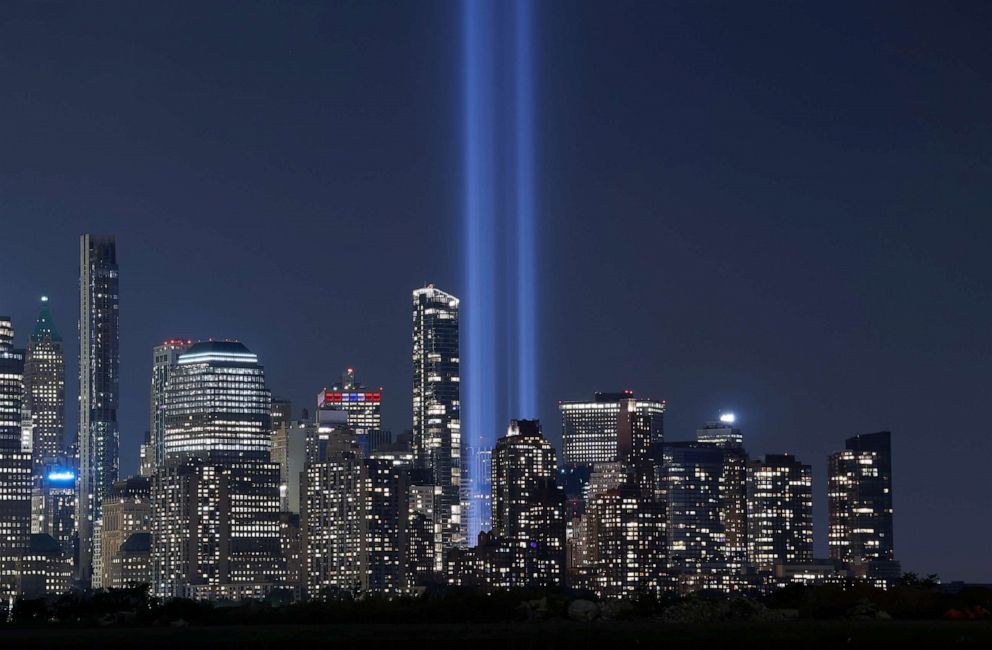
A question now demands an honest answer: how did New York City—a city that endured the most devastating terrorist attack in modern history during the September 11 attacks—choose as its mayor a leader whose political positions appear to blur the essential moral line against extremism?
Zohran Mamdani has yet to offer an unequivocal condemnation of Hamas, an organization officially designated as terrorist by the United States itself. More troubling still are his public statements suggesting that, were the prime minister of the world’s only Jewish-majority nation to land in New York, he should face arrest. For a city shaped by the trauma of jihadist terror, such rhetoric cannot be dismissed as ordinary political disagreement.
The concern deepens with Mamdani’s open support for Umar Khalid, an individual incarcerated in India on charges linked to extremist mobilization. This intervention has ignited widespread outrage across Indian media and public opinion. In India, it is seen as an example of selective outrage—one that disregards India’s security concerns while projecting moral judgment from afar. That perception hardens further when such positions appear aligned with persistent hostility toward Narendra Modi and India’s sovereign counter-terrorism decisions.
This contradiction becomes even more striking against the broader Western backdrop. Even as U.S. law enforcement agencies intercept ISIS-inspired terror plots, parts of the political establishment continue to legitimize or sanitize the ideological narratives that feed radicalization. Arresting those who plan violence is necessary—but tolerating or excusing the ideas that motivate them is dangerous. It is precisely here that Donald Trump should take notice. Across the world, Trump is widely regarded—rightly or wrongly—as a leader with a no-nonsense approach toward drug cartels, human traffickers, and jihadist terrorist networks. Many see him as a rare political figure willing to draw firm moral boundaries rather than blur them for ideological convenience. If the global fight against terrorism is to retain credibility, that clarity cannot stop with security agencies alone; it must extend to political leadership and public accountability. Democracies do not weaken only when terrorists strike. They weaken when societies forget their own scars, replace vigilance with virtue signaling, and allow moral clarity to dissolve into relativism. New York’s choice is therefore not merely a local political development—it is a warning signal. History is unforgiving in this regard. It rarely announces its return. It simply repeats itself when lessons are ignored.
About Writer -:
Subodh Mishra, is a Senior Journalist of India. Spent more than 40 years in Journalism in India. Now Living in USA .
