
Iranian Kurdish Militias Eye Strike on Tehran Forces
Reports say groups consulted US on potential attack amid escalating Iran conflict

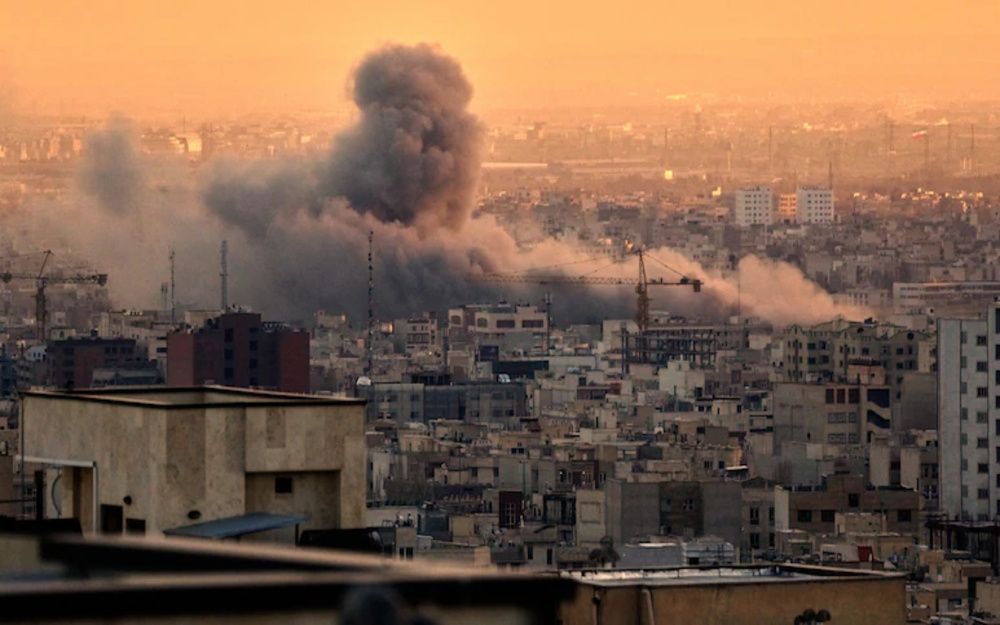
- Iranian Kurdish militias discuss possible attacks on Iranian security forces
- Talks reportedly held with US over strategy and potential support
- Plan aims to weaken regime amid ongoing US-Israel strikes on Iran
- Regional implications raise concerns over wider instability
GG News Bureau
Washington, 4th March: Iranian Kurdish militias have held discussions with officials from the United States in recent days about the possibility of launching attacks on Iranian security forces in western Iran, according to sources familiar with the matter.
The coalition of Kurdish groups, based along the Iran-Iraq border in the semi-autonomous Kurdistan region of Iraq, has reportedly been training for a potential offensive aimed at weakening Iran’s military capabilities as the conflict intensifies following joint strikes by the United States and Israel on Iranian targets.
Sources said the objective of the proposed operation would be to create conditions for anti-government protests and uprisings within Iran following the reported deaths of senior Iranian leaders, including Supreme Leader Ali Khamenei, during the ongoing conflict.
However, a final decision on whether to launch such an operation and the timing of any potential attack has not yet been made.
According to the sources, Kurdish groups have sought support from the United States, including possible assistance from the Central Intelligence Agency for weapons and logistics. Officials in Erbil and Baghdad have also reportedly been in contact with the administration of Donald Trump regarding the situation.
While some reports suggest the possibility of intelligence support, the extent of any involvement remains unclear. The CIA declined to comment on the matter, while the White House and the Pentagon did not immediately respond to requests for clarification.
Kurdish armed groups based in Iraqi Kurdistan have historically maintained complex ties with Washington, cooperating with US forces during the Iraq War and in operations against the Islamic State militant group.
However, analysts note that any armed incursion into Iran could significantly destabilize the region. A Kurdish uprising might also encourage separatist movements among Iran’s ethnic minorities, including the Baluch population in the country’s southeast, potentially widening the conflict.
Regional powers are also watching developments closely. Turkey, which has long opposed armed Kurdish groups near its borders and has confronted Kurdish forces in Syria, is unlikely to support expanded Kurdish military activity in the region.
Observers warn that if Kurdish militias move ahead with the operation, it could further escalate tensions in an already volatile West Asian theatre and complicate diplomatic efforts to restore stability.
