

Poonam Sharma
As tensions across West Asia continue to escalate, Iran has indicated a conditional willingness to abandon its nuclear programme if the United States presents what it describes as a “satisfactory alternative offer.” The statement, made by Iran’s deputy foreign minister Majid Takht-Ravanchi, comes at a time when the region is witnessing intense military and diplomatic developments.
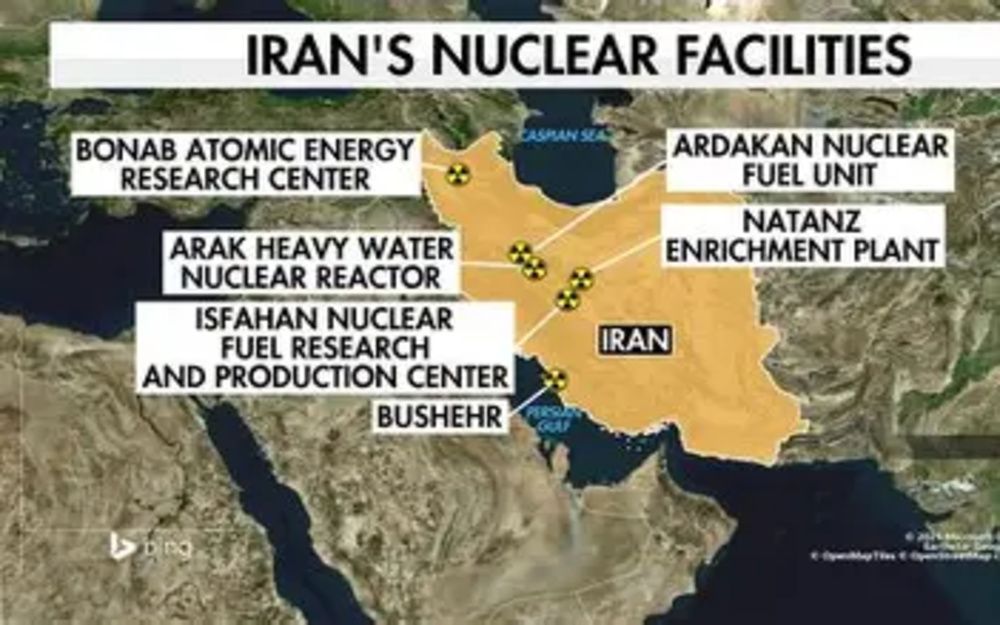
According to reports cited by Sky News Arabia, Takht-Ravanchi stated that Tehran would be prepared to give up its nuclear programme provided Washington offers a credible alternative arrangement that addresses Iran’s security and economic interests.
The comments come amid the sixth day of a rapidly intensifying conflict involving Iran, the United States and Israel, raising serious concerns among international observers about the stability of the region and the future of nuclear diplomacy.
Escalation After ‘Operation Epic Fury’
The current round of hostilities began following a joint military campaign launched by the United States and Israel known as Operation Epic Fury. The operation reportedly targeted multiple strategic locations across Iran, including sites believed to be connected to the country’s military infrastructure.
Regional reports claim that the strikes resulted in major casualties and significant damage to Iranian facilities. Among the most controversial claims surrounding the operation is the reported death of Iran’s Supreme Leader Ali Khamenei on February 28 during the attacks.
While the circumstances surrounding Khamenei’s death remain contested and politically sensitive, the development has significantly intensified the geopolitical crisis in West Asia. Governments and international observers are closely monitoring the situation as the conflict risks expanding beyond the immediate participants.
Diplomatic Talks Collapsed Before the Attacks
Before the outbreak of hostilities, Iran and the United States had been engaged in indirect diplomatic negotiations aimed at reviving a nuclear agreement. The talks were facilitated by Oman, which acted as a mediator between the two long-time adversaries.
Iranian officials have said that despite skepticism regarding Washington’s intentions, Tehran agreed to participate in the discussions as part of efforts to resolve long-standing disputes over its nuclear programme. These negotiations were considered an attempt to revive diplomatic engagement following years of tension surrounding Iran’s nuclear ambitions.
However, Iranian authorities argue that the military strikes occurred before the negotiation process had reached its agreed conclusion. According to Tehran, the talks were still ongoing within the established timeline when the attacks were launched.
The collapse of diplomacy and the sudden escalation into military conflict have raised questions about whether diplomatic channels between the two countries can be restored in the near future.
Conditional Offer Signals Possible Diplomatic Opening
Despite the ongoing conflict, Takht-Ravanchi’s statement suggests that Iran has not entirely closed the door on diplomatic engagement. By indicating that Tehran could abandon its nuclear programme under certain conditions, the deputy foreign minister has left room for renewed negotiations.
Analysts interpret the phrase “satisfactory alternative offer” as a reference to a broader package that could include security guarantees, sanctions relief, economic cooperation, or international monitoring arrangements. Iran has repeatedly argued that its nuclear programme is intended for peaceful purposes and has demanded recognition of its sovereign rights while also seeking protection from external military threats.
From Tehran’s perspective, abandoning nuclear development without concrete guarantees could leave the country strategically vulnerable. As a result, any potential agreement would likely require a complex framework addressing both security and economic concerns.
Global Concerns Over Regional Stability
The intensifying conflict has prompted growing concern among governments and international organizations about the possibility of a wider regional confrontation. Several countries have called for restraint and urged all parties involved to return to diplomatic negotiations.
Experts warn that the breakdown of talks combined with military escalation could undermine global non-proliferation efforts and destabilize an already volatile region. The future of nuclear diplomacy, particularly between Iran and the United States, now appears uncertain.
For the moment, Takht-Ravanchi’s remarks represent one of the few signals suggesting that diplomacy may still be possible despite the current hostilities. Whether the United States responds with a proposal that Tehran considers acceptable remains to be seen.
As the conflict enters its sixth day, international observers continue to watch developments closely, hoping that renewed diplomatic engagement may prevent further escalation and restore stability in West Asia.
