
Iran Keeps Strait of Hormuz Open for India Amid War
Tehran allows safe passage for friendly nations, restricts access for adversaries

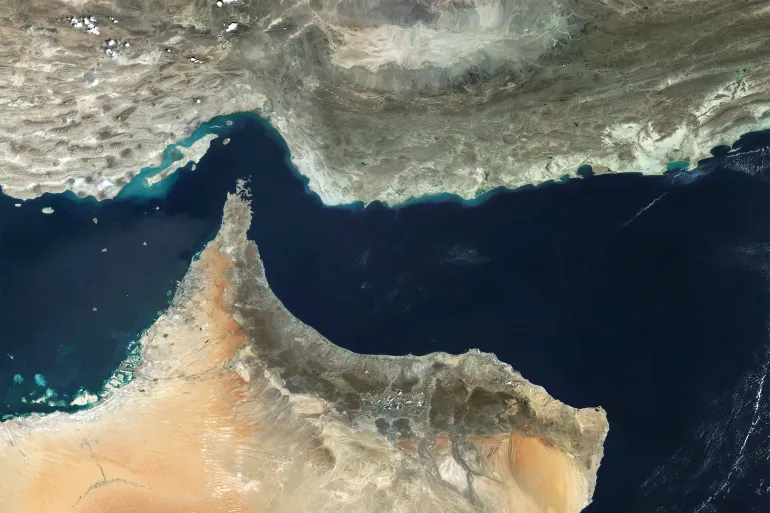
- Iran assures safe passage for Indian ships via Strait of Hormuz
- Key global oil route remains restricted but not fully closed
- Shipping traffic drops sharply amid ongoing West Asia conflict
- Tehran blocks vessels linked to adversary nations
GG News Bureau
New Delhi, 26th March: In a major diplomatic development, Iran has assured that the strategically crucial Strait of Hormuz will remain open for India despite ongoing hostilities in West Asia.
Iranian Foreign Minister Abbas Araghchi said the vital waterway, through which nearly a fifth of the world’s oil supply passes, is not completely closed, countering reports suggesting a total blockade.
Speaking to state media, Araghchi stated that several countries, including India, have coordinated with Iran to ensure safe passage of their vessels. He confirmed that Indian ships have already transited the strait in recent days under such arrangements.
“You have seen on the news: China, Russia, Pakistan, Iraq, and India. Two of its ships passed through a few nights ago,” he said, indicating that friendly nations would continue to receive transit access even during the conflict.
However, Iran made it clear that ships linked to countries considered adversaries — including the United States and Israel — would not be allowed to pass through the strait.
The Strait of Hormuz, a narrow maritime chokepoint at the mouth of the Persian Gulf, has witnessed severe disruption since the escalation of conflict involving Iran, the United States and Israel. Iran has tightened control over the route using military deployments, including drones and missile systems.
Shipping activity through the strait has dropped drastically, with reports indicating up to a 95% decline in daily energy transit. The disruption has triggered global concerns over fuel supply, rising energy prices and supply chain instability.
Despite the restrictions, Iran’s assurance of continued access for India is seen as crucial for safeguarding the country’s energy security, given its dependence on imported oil and gas.
The situation remains fluid, with geopolitical tensions continuing to impact global trade routes and economic stability.
