
Indian LPG Tankers Cross Strait of Hormuz
SCI ships Shivalik and Nanda Devi sail toward India after coordinated diplomatic efforts amid Middle East tensions

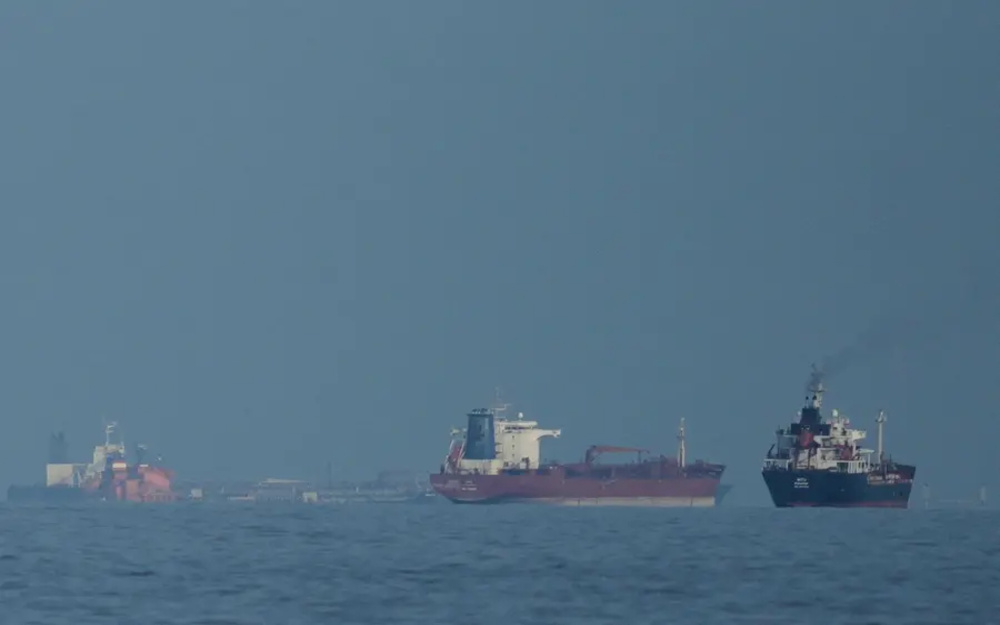
- Two India-flagged LPG tankers cross the Strait of Hormuz safely
- Ships Shivalik and Nanda Devi carrying large gas cargo head toward India
- Passage follows diplomatic talks between Indian and Iranian leadership
- Over two dozen Indian-flagged vessels still monitored near the strait
GG News Bureau
New Delhi, 14th March: Two India-flagged LPG tankers of the Shipping Corporation of India (SCI) successfully crossed the Strait of Hormuz today and are now heading toward India, marking a key development amid rising tensions in the Middle East that have disrupted maritime traffic in the region.
The vessels, Shivalik and Nanda Devi, navigated the strategic waterway through a carefully coordinated operation carried out with cooperation from Iran and other countries in the region, according to sources familiar with the development.
The passage of the tankers comes after a series of diplomatic engagements between India and Iran over the past few days. External Affairs Minister S. Jaishankar held four rounds of discussions with Iranian Foreign Minister Seyed Abbas Araghchi on February 28, March 5, March 10 and March 12 to address the evolving security situation in the Gulf.
In addition, Prime Minister Narendra Modi also spoke with Iranian President Masoud Pezeshkian to discuss regional developments and ensure the safety of Indian nationals and shipping routes.
According to officials, Shivalik is carrying around 40,000 metric tonnes of LPG, while Nanda Devi is also transporting a substantial quantity of gas supplies to India.
The ships had been among several vessels delayed near the Strait of Hormuz after military strikes by the United States and Israel against Iran in late February triggered retaliatory actions by Tehran, raising security concerns across the region.
The strait, located between Iran and Oman, is one of the world’s most critical maritime chokepoints, handling nearly one-fifth of global oil shipments. Hundreds of ships, including 28 India-flagged vessels, had reportedly been stranded on either side of the waterway due to security risks.
Meanwhile, another Indian-flagged oil tanker Jag Prakash, carrying gasoline from Oman to Africa, has also begun its journey from east of the strait, officials said.
At a recent briefing, Rajesh Kumar Sinha, Special Secretary in the Ministry of Shipping, noted that authorities are closely monitoring maritime traffic in the region, particularly as around 23,000 Indian seafarers are currently working on merchant, harbour and offshore vessels across the wider Gulf.
During his conversation with the Iranian President, Prime Minister Modi expressed concern over the escalating hostilities in the region and stressed that the safety of Indian nationals and the uninterrupted flow of energy supplies remain India’s top priorities.
“The safety and security of Indian nationals, along with the need for unhindered transit of goods and energy, remain India’s top priority,” the Prime Minister said in a message on social media.
Tensions in the region have intensified since late February, when strikes by the United States and Israel against Iran triggered retaliatory actions by Tehran. The developments have raised fears of disruptions to global energy supplies and maritime trade.
Earlier this week, a Thai-flagged cargo vessel headed to Kandla port in Gujarat was attacked near the Strait of Hormuz shortly after leaving a port in the United Arab Emirates, highlighting the growing risks faced by commercial shipping in the region.
Indian authorities continue to coordinate closely with regional partners to ensure safe passage for Indian vessels and protect the interests of Indian sailors and energy shipments passing through the strategic waterway.
