

Poonam Sharma
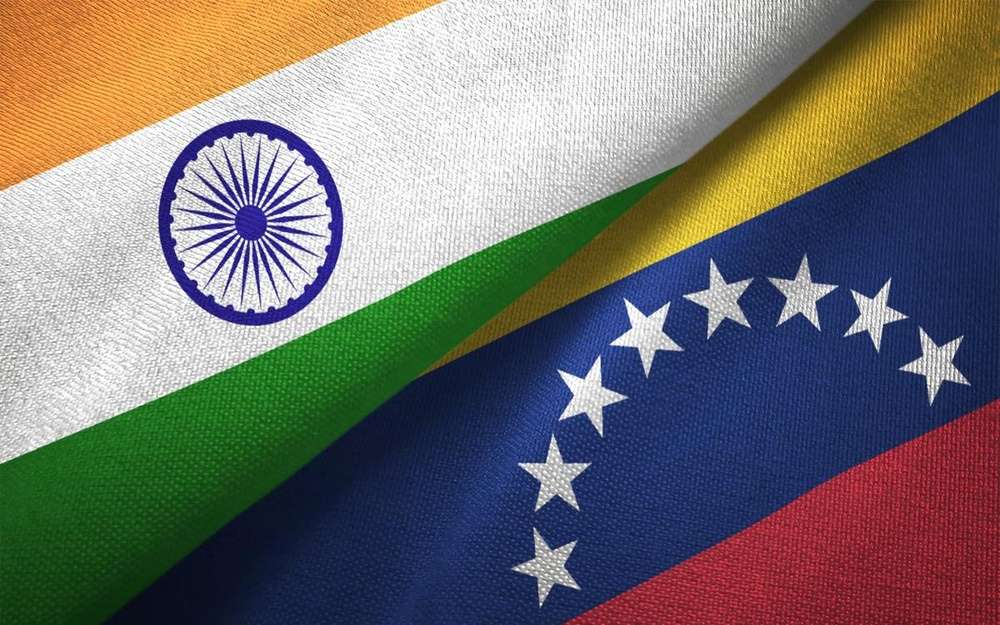
India did not walk away from Venezuela because it wanted to. It stepped back because staying on had become almost impossible. A mix of U.S. sanctions, frozen payments, and growing instability inside Venezuela gradually closed the space for normal trade and investment. Most of this pullback happened after 2019, but the story is not one of a clean break. Even years later, India kept limited economic links alive where it could.
When Sanctions Changed Everything
The turning point came between 2017 and 2019, when the United States imposed tough sanctions on Venezuela and its state oil company, PDVSA. These measures went beyond politics. They cut Venezuela off from dollar transactions, restricted shipping and insurance, and warned foreign companies that doing business with PDVSA could invite secondary sanctions.
For Indian companies, this was a serious red line. Continuing business with Venezuela meant risking access to international banks and insurance markets. No major company, especially public sector firms, could afford that kind of exposure. The space to operate legally and safely began to disappear.
The Problem of Getting Paid
Once sanctions kicked in, the next big hurdle was money. Venezuela simply could not pay India in U.S. dollars anymore. Alternatives like barter deals, rupee payments, or oil-for-goods arrangements were discussed, but in practice they were messy and uncertain.
These workarounds came with legal risks, logistical headaches, and the constant fear of sanctions enforcement. For businesses, that uncertainty made trade unsustainable. Even when oil was available, payments were not, and without reliable payments, long-term trade cannot survive.
ONGC Videsh Caught in the Middle
India’s biggest stake in Venezuela was through ONGC Videsh Ltd (OVL). The company had invested in oil exploration and production alongside PDVSA, including in the San Cristóbal field. On paper, these were valuable assets. In reality, profits were getting stuck.
Money could not be brought back to India, dividends remained unpaid, and the political situation kept worsening. With no clear way to recover returns and growing risks on the ground, India chose to freeze further investment rather than sink deeper into uncertainty.
A Country in Crisis
At the same time, Venezuela itself was sliding deeper into crisis. The economy was collapsing, inflation was out of control, and governance had weakened badly under President Nicolás Maduro. Oil infrastructure suffered, supply chains broke down, and everyday operations became harder.
For Indian public sector companies, this was not just a balance-sheet issue. It was also about safety, reliability, and long-term viability. Even without sanctions, Venezuela had become one of the most difficult places in the world to do business.
Balancing Ties with the United States
India’s global positioning also mattered. During these years, India was strengthening its relationship with the United States in defence, trade, and the Indo-Pacific. Going openly against U.S. sanctions would have damaged larger strategic interests.
India did receive temporary waivers that allowed limited oil imports, but once those waivers expired, the door effectively closed. Continuing Venezuelan oil imports after that point would have come at a high diplomatic and financial cost.
Finding Other Sources of Oil
India was able to manage the impact because it had alternatives. Venezuelan crude was gradually replaced by supplies from the Middle East, U.S. shale producers, and later, after 2022, Russia. This shift reduced India’s dependence on Venezuela and made the pullback less painful.
Ties That Never Fully Ended
Even so, India did not disappear from Venezuela entirely. In 2022, some economic engagement continued. ONGC Videsh still held its stake, even if operations were limited. Indian companies also began importing Venezuelan petroleum coke, which became useful as coal prices rose.
Cement companies such as JSW Cement, Ramco Cements, and Orient Cement brought in petcoke cargoes to meet domestic energy needs. These trades showed that, despite everything, commercial links survived in smaller, quieter ways.
The Bottom Line
India’s retreat from Venezuela was not about politics or ideology. It was about constraints. Sanctions froze payments, instability raised risks, and global pressures narrowed choices. Where engagement became impossible, India stepped back. Where it remained feasible, ties continued.
It was less a dramatic exit and more a careful, reluctant retreat — shaped by realities India could not ignore.
