
India millet standard gains recognize by FAO Codex Executive Committee

By Anjali Sharma
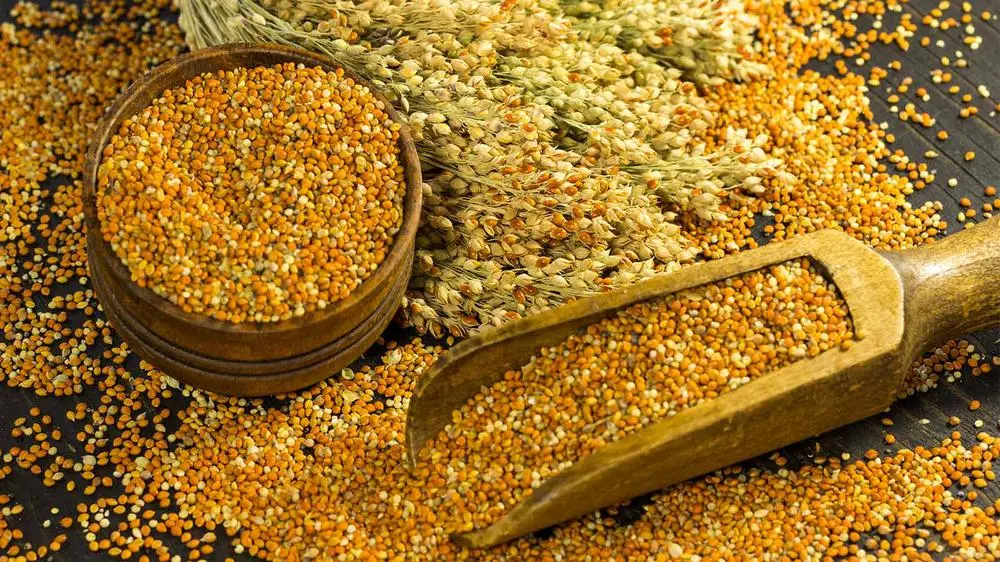
UNITED NATIONS – India’s whole millet standard grains on Saturday approved by the Codex Alimentarius Commission was appreciated during the 88th Session of the Executive Committee of the Codex Alimentarius Commission held at the FAO Headquarters in Rome, media reported.
The Committee concluded its 5 day meeting reviewed the progress of this work, which is being chaired by India with Mali, Nigeria, and Senegal as co-chairs.
The terms of reference were finalized at the 11th Session of the Codex Committee on Cereals, Pulses and Legumes (CCCPL11) held in April 2025.
India, as an elected member of the Executive Committee of the Codex Alimentarius Commission (CCEXEC), participated in the session, which was inaugurated by Mr. Godfrey Magwenzi, Deputy Director General and Director of Cabinet, FAO, and Dr. Jeremy Farrar, Assistant Director-General, Health Promotion and Disease Prevention and Control, WHO.
The event was attended by Dr. Allan Azegele, Chairperson of the Codex Alimentarius Commission, Ms. Sarah Cahill, Secretary of the Commission, and other elected representatives from member countries, fao STATED.
CCEXEC88 critically reviewed the works chaired by India on the new standards of fresh dates as recommended by the 23rd session of the Codex Committee on Fresh Fruits and Vegetables (CCFFV23) held in February this year.
The Executive Committee appreciated the efforts of the CCFFV and India in finalizing these standards and endorsed for fapproval at the 48th session of the Codex Alimentarius Commission (CAC48) scheduled for November 2025.
India will serve as co-chair in new work proposals to develop standards for fresh turmeric and fresh broccoli.
India took part in discussions on the monitoring framework for the Codex Strategic Plan 2026–2031, where SMART Key Performance Indicators (KPIs) were finalized for endorsement at CAC48.
India recommended that monitoring indicators should be outcome-based, measurable and considered. India also informed about its capacity-building programme for neighboring countries like Bhutan, Nepal, Bangladesh, Sri Lanka, Timor Leste, etc., which has been recognized by the FAO.
India has been chairing the Codex Committee on Spices and Culinary Herbs (CCSCH) since its inception in 2014.
India encouraged less active Codex member countries to utilize the Codex Trust Fund for mentorship and twinning programmes.
India proposed the inclusion of such training efforts to achieve strategic goals by drawing from its successful CTF-supported training and capacity-building initiatives with Bhutan and Nepal.
