
Out of This World: How an Israeli Astronaut is Helping Indian Kids Reach for the Stars

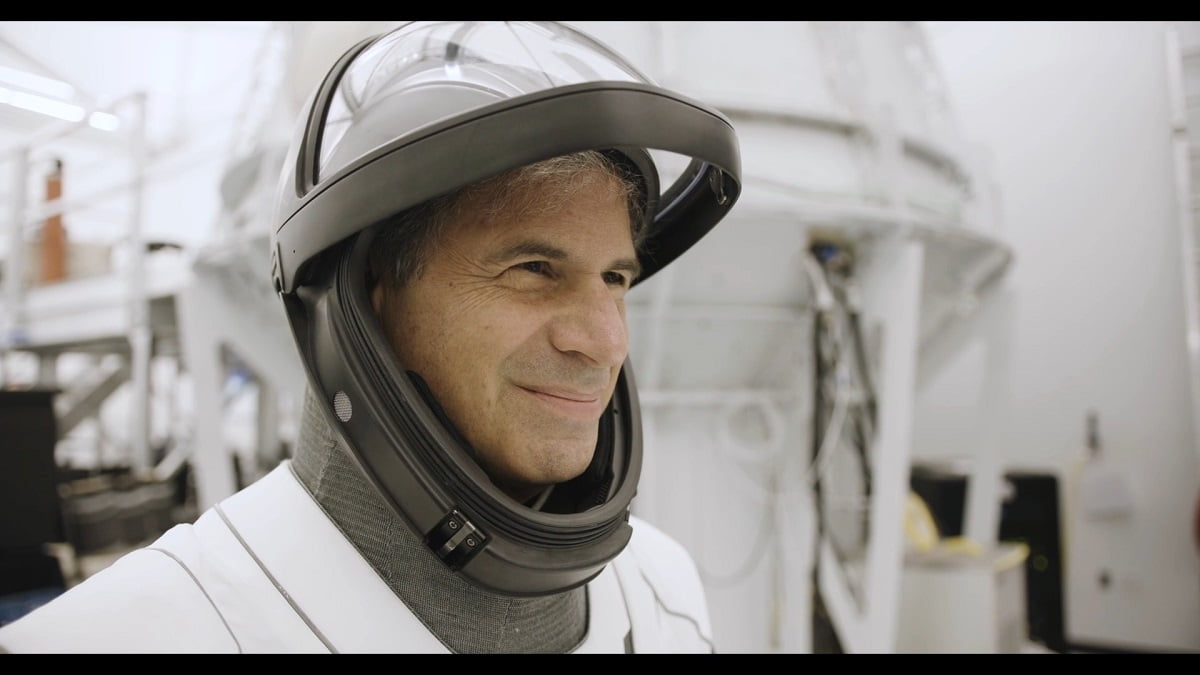
GG News Bureau
Lucknow, 18 june -From the vibrant classrooms of Lucknow to the vast silence of outer space, a remarkable story of friendship and shared dreams is unfolding between India and Israel. In a world often divided by borders, two astronauts—Group Captain Shubhanshu Shukla of India and Eytan Stibbe of Israel—are uniting young minds across continents through the universal language of space. As India readies for its next human mission to the International Space Station, what’s brewing is not just a scientific milestone, but a cross-cultural celebration of curiosity, courage, and cosmic vision.
This unique Indo-Israeli collaboration is transforming a school in Lucknow into a mini “Mission Control,” letting students witness history in the making—not on television, but through live feeds and real-time learning as one of their own soars beyond Earth.
A Bond Forged in Space
The seed for this India-Israel collaboration was planted at an annual astronaut gathering in Houston, where Mr. Stibbe and Group Captain Shukla first met. The Israeli astronaut shared how he had successfully engaged schoolchildren in Israel during his time aboard the ISS. Inspired, Shukla immediately proposed replicating the same in India, beginning with his alma mater—City Montessori School (CMS) in Lucknow.
CMS, known for its emphasis on value-based education and international outreach, enthusiastically embraced the idea. Plans are now in motion to create a “mission control experience” within the school. Students will be able to track Shukla’s mission in real time, interact through live feeds, and take part in hands-on educational modules that simulate astronaut life aboard the ISS.
The Axiom-1 Mission: More Than Science
Eytan Stibbe’s own journey to space was historic in multiple ways. He became Israel’s second astronaut after Ilan Ramon, who tragically lost his life in the Columbia Space Shuttle disaster in 2003. But for Stibbe, the mission wasn’t merely about reaching orbit—it was about rekindling Israel’s passion for space exploration and creating a mission with wide public participation.
Unlike government-backed astronauts, Stibbe funded his entire spaceflight. “It was like a donation,” he said, underscoring that various institutions in Israel—ranging from universities to hospitals—benefited from the opportunity to send their scientific experiments into orbit.
His mission combined science, education, and art. “We got ideas from children, scientists, and even philosophers to assemble a meaningful space experience that involved the entire Israeli public,” Stibbe recalled. His outreach programs reached thousands of students and reignited national enthusiasm for human spaceflight.
A Tribute to Ilan Ramon and Kalpana Chawla
Mr. Stibbe’s mission also carried deep emotional resonance. He was a close friend of Ilan Ramon, Israel’s first astronaut. Ramon’s life was tragically cut short along with that of Indian-American astronaut Kalpana Chawla during the Columbia disaster in 2003. “They did a lot of science and education during their mission. Unfortunately, they didn’t come back,” he said with visible emotion.
The memory of that loss continues to shape public sentiment toward space exploration in Israel. Stibbe’s mission aimed to honor their legacy by reviving optimism, scientific curiosity, and dreams of young spacefarers in both Israel and beyond.
Connecting Young Minds Across Nations
The India-Israel space education initiative spearheaded by Stibbe and Shukla is more than just a student program—it’s a bridge of cultural diplomacy. Through this collaboration, Indian schoolchildren will not only learn about outer space but also about cooperation, global citizenship, and shared aspirations.
“The idea is to create programs, materials, and excitement,” said Stibbe. “We want children to ask questions, be curious, and see astronauts at work—not just in interviews, but floating and functioning in microgravity via continuous live feeds.”
This immersive experience will make space exploration real and tangible for students who might one day become scientists, astronauts, or policymakers.
A Partnership with Global Impact
The initiative is drawing attention beyond educational circles. With Indian Prime Minister Narendra Modi and Israeli Prime Minister Benjamin Netanyahu enjoying strong diplomatic ties, such people-to-people collaborations can bolster international goodwill and scientific exchange.
“There’s so much India and Israel can learn from each other,” said Stibbe. “From educational systems to space missions—we’re watching India’s progress closely and looking forward to more cooperation.”
Stibbe believes this partnership reflects a broader, more humanistic goal of space exploration: to bring people together across cultures and geographies.
A Glimpse of Earth That Changed Everything
Stibbe’s own reflections on space are deeply moving. “Seeing Earth from the ISS, watching sunrise and sunset over our planet—it changes your perspective. You realize how fragile our world is. That’s why I believe in sustainability and in inspiring the next generation to care for our Earth.”
As CMS students in Lucknow prepare to watch one of their own soar into space, this Indo-Israeli collaboration proves that outer space is not just a destination—it’s a powerful platform for international friendship, education, and inspiration.
