

By Anjali Sharma
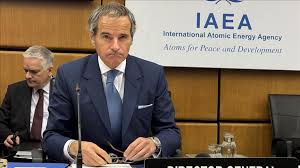
UNITED NATIONS – Head of the UN nuclear watchdog agency IAEA Rafael Grossi announced on Wednesday that a deal has been struck with Iran to resume cooperation on inspections of Tehran’s nuclear facilities.
Rafael Grossi said “Indispensable” monitoring by the International Atomic Energy Agency ended in June, when Israel and US-backed airstrikes targeted Iran’s nuclear power installations.
He noted that the Iranian authorities confirmed that the Natanz enrichment site had been “impacted” without affecting existing radiation levels.
Mr. Grossi told the board of governors in Vienna that now, “practical modalities” have been agreed to allow the resumption of inspection activities in Iran.
“This is an important step in the right direction,” he added before expressing his gratitude to Egypt for brokering the deal.
Grossi elaborated that the development follows the 28 August announcement by France, Germany and the UK of their intention to re-impose UN sanctions on Iran within 30 days, under the so-called “snapback” mechanism contained in the Iranian nuclear agreement signed in July 2015 by the 5 permanent members of the UNSC in addition to Germany, the EU and Iran.
He said that the new agreement was preceded by weeks of technical discussions in Tehran and Vienna over verification activities of “all facilities and installations in Iran” came despite the decision by Iranian lawmakers on 25 June to suspend cooperation with IAEA, a move approved by the Iranian President one week later.
Mr. Grossi noted that this domestic decision did not alter Iran’s international nuclear non-proliferation treaty obligations.
He insisted that the NPT agreement remained in force as “the sole legally binding treaty governing the rights and obligations of the IAEA and Iran with respect to safeguards implementation in Iran”.
IAEA chief acknowledged that his Iranian interlocutors had declared their willingness to remain part of the international non-proliferation movement noted Tehran’s “concerns”.
The deal sealed by Mr. Grossi and Iranian Foreign Minister Abbas Aragchi in Cairo “provides for a clear understanding of the procedures for inspection, notifications and their implementation”, he stressed.
Grossi added that the agreement also “contemplates” reporting on all facilities targeted by Israel and the US in June “including the nuclear material present” in Iran.
“These practical steps need to be implemented now,” he said.
He concluded that there may be difficulties and issues to be resolved for sure, but we now know what we have to do and the elements at our disposal for these basic understandings to be implemented.”
