

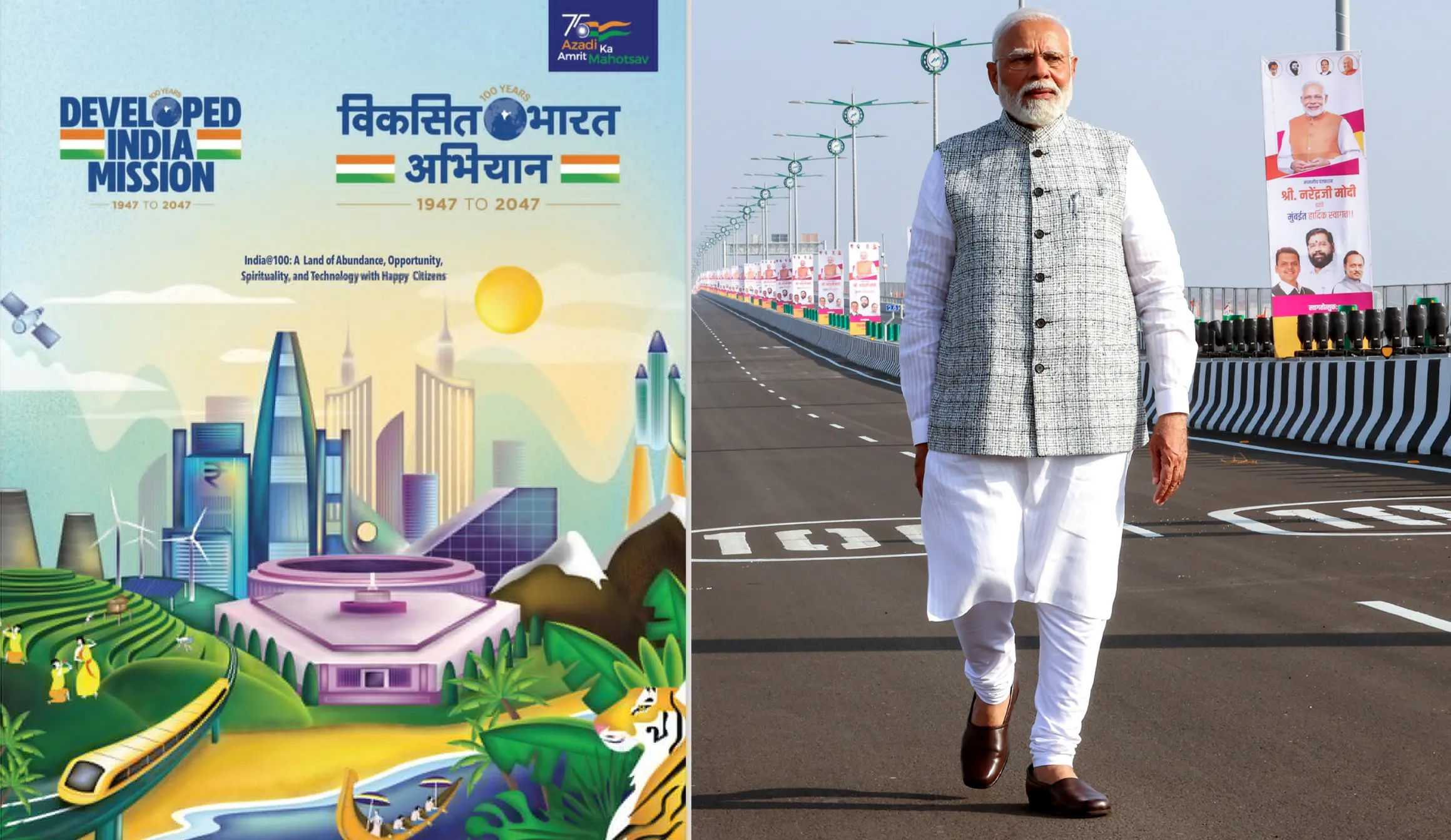
Under the leadership and long-term vision of Shri Narendra Modi, India has emerged as one of the world’s fastest-growing major economies. His governance model—focused on reforms, infrastructure, technology, global partnerships, and self-reliance—has contributed significantly to the country’s economic transformation. This article explores the pillars of Modi’s vision and how they drive rapid GDP growth.
1. Economic Reforms for a Strong Foundation
The Modi government introduced several structural reforms aimed at improving transparency, compliance, and economic efficiency.
Key initiatives include:
-
GST (Goods and Services Tax): Simplified indirect taxation and boosted interstate commerce.
-
Insolvency and Bankruptcy Code (IBC): Improved resolution of bad loans and strengthened the banking system.
-
Ease of Doing Business Reforms: Digital approvals, faster clearances, and business-friendly policies attract domestic and foreign investment.
These reforms have enhanced India’s appeal as a global investment hub, contributing to sustained GDP growth.
2. Make in India: Strengthening the Manufacturing Sector
Launched in 2014, Make in India aims to boost domestic manufacturing, attract FDI, and create employment.
Results include:
-
Increased FDI inflows
-
Growth in sectors such as electronics, automobiles, and defense manufacturing
-
Development of industrial corridors and manufacturing clusters
A stronger manufacturing base directly contributes to higher GDP and export strength.
3. Digital India: Building a Modern, Connected Economy
Modi’s Digital India program accelerated India’s shift toward a technology-driven economy.
Major achievements:
-
Massive expansion of digital payments (UPI revolution)
-
Increase in digital governance and online service delivery
-
Growth of IT, fintech, and digital commerce sectors
Digital empowerment has boosted productivity, reduced corruption, and enabled new business models.
4. Infrastructure: The Engine of Long-Term Growth
A strong emphasis on infrastructure has unlocked economic potential across sectors.
Key developments:
-
Construction of highways, expressways, and rail modernization
-
Expansion of airports and seaports
-
Bharatmala and Sagarmala projects
-
Massive push in renewable energy and power infrastructure
Better infrastructure reduces logistics costs and enhances national competitiveness.
5. Atmanirbhar Bharat: A Vision for Self-Reliance
The Atmanirbhar Bharat initiative encourages domestic production, innovation, and entrepreneurship.
Focus areas include:
-
Local manufacturing of critical goods
-
Strengthening MSMEs
-
Support for agriculture and rural development
-
Expansion of domestic supply chains
This strategy not only protects India from global shocks but also boosts GDP through local value creation.
6. Startup & Innovation Ecosystem
India’s startup boom is a result of supportive policies like:
-
Startup India
-
Tax incentives
-
Access to funding through government-backed platforms
Today, India is one of the world’s largest startup ecosystems, creating jobs and contributing significant value to the economy.
7. Global Leadership and Foreign Policy for Economic Gains
Modi’s focus on global diplomacy enhances trade, technology partnerships, and geoeconomic influence.
This boosts:
-
Export markets
-
Bilateral investments
-
Technological collaboration
India’s rising global stature attracts capital and opportunities, strengthening overall growth.
