
How Bhagalpur’s Power Bid Turned into a Political Myth
“Bhagalpur Power Project: How a Competitive Bidding Became a Political Myth”

Paromita Das
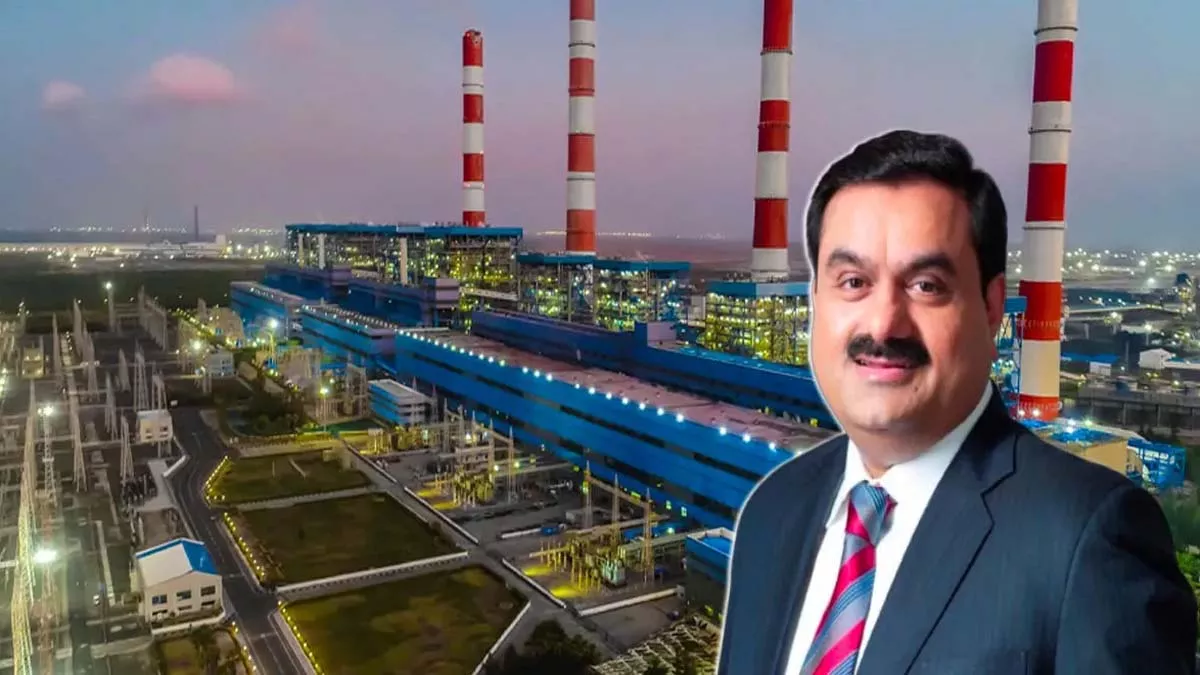
New Delhi, 6th November: In the intense political landscape of Bihar 2025, misinformation often clouds critical development issues, especially relating to the Bhagalpur power project. A viral narrative claims Prime Minister Narendra Modi gifted land to the Adani Group for just one rupee, sparking accusations of corruption and favoritism. However, the full story reveals a transparent, competitive bidding process designed to attract massive investment and boost Bihar’s long-neglected energy infrastructure. Understanding this project’s policies, economic potential, and environmental concerns is crucial to cut through sensationalism and offer a balanced view of Bihar’s industrial future.
The Bhagalpur Project and the “One Rupee Land” Narrative
The Bhagalpur thermal power project traces its origins to 2012 when the government sought to develop a power hub in Bihar but faced years of inaction from public sector undertakings. The Bihar government’s eventual decision to open bidding came with clear terms: the land would be leased for one rupee per year—not sold—and awarded to the company that offered the lowest tariff for electricity to Bihar’s consumers. This was intended to ensure affordable, sustainable energy through competition.
When the bidding began, four major companies participated — JSW Energy, Lalitpur Power, Torrent Power, and Adani Power. Each of them was granted the same condition: take the land on a lease of one rupee per year, invest your own capital, and ensure that electricity remains affordable for the people of Bihar.
What followed was a transparent and competitive process. JSW Energy offered power at Rs 6.20 per unit, Lalitpur Power at Rs 6.16, and Torrent Power at Rs 6.14. Then came Adani Power, bidding the lowest rate — Rs 6.01 per unit. Naturally, the contract went to the bidder offering the cheapest power.
However, the narrative that circulated outside told a different story — a story twisted for political convenience. Many headlines screamed that land worth crores was handed over to Adani for one rupee, deliberately ignoring the rulebook of public-private partnerships and the decades-long practice of leasing land for industrial projects to attract massive investments.
Economic Promise Versus Environmental Concerns
The scale of investment, estimated at Rs 26,000 crore, and the project’s anticipated generation of 12,000 jobs during construction and 3,000 permanent jobs post-completion highlight its transformative potential. For a state grappling with energy shortages and economic underdevelopment, admitting such a mega-project signals a serious commitment to industrial growth and social upliftment.
Opposition parties and local activists, however, highlight environmental costs—primarily the cutting of nearly one million trees and relocation of farmers whose livelihoods are tied to the fertile land. The government points to mandatory compensatory afforestation laws (including the Forest Act 1980 and Compensatory Afforestation Act 2016), requiring the planting of double or triple the number of felled trees. Though the concern is valid, these ecological safeguards aim to mitigate damage while enabling development.
Addressing the Critics and Clearing the Fog of Misinformation
The narrative of favoritism and land “gifting” ignores the long-standing precedent of similar land lease policies across states and political regimes. The Gujarat government in the late 20th century, Andhra Pradesh’s recent incentives to IT firms, and numerous other examples demonstrate symbolic land leasing as a widely accepted practice to foster industrial growth.
Critics accusing the deal as a political conspiracy overlook the contractual and legal frameworks ensuring government ownership remains intact, and the temporary nature of such leases incentivize companies to deliver measurable public benefits—jobs, infrastructure, and stable power supply—or face reclamation of land.
The Bigger Picture: Bihar’s Industrial Revolution and Social Change
Bihar’s challenge extends beyond this single project. Historically marked by poverty, unemployment, and underdevelopment, the state requires a sweeping industrial revolution to provide its youth with opportunities beyond subsistence labor and migration. Projects like Bhagalpur’s thermal plant represent steps toward enhanced quality of life, increased employment, and improved public utilities.
Questions about environmental trade-offs and sustainable growth are crucial, but should be balanced with the urgent need for economic empowerment. Idealism that rejects industrial development outright risks prolonging poverty and limiting Bihar’s progress. The state’s prosperity depends on pragmatic policies involving green energy, regulatory oversight, and transparent investments.
Myths Must End for Growth to Begin
The Bhagalpur power project story is symbolic of Bihar’s crossroads — torn between political narratives and the realities of development. Leasing land for token amounts, far from corruption, is an economic strategy aimed at transforming Bihar’s infrastructure and economic landscape. Environmental concerns carry weight, but they should be addressed alongside efforts to catalyze growth and opportunity.
Bihar’s future depends on informed public discourse, transparent governance, and innovation in balancing industrial progress with ecological responsibility. Only then can the state realize its potential as a beacon of growth and prosperity in Bharat’s broader national story. Misinformation must give way to clarity, and political scores should not obstruct Bihar’s development journey.
