
Guwahati : Hindus Losing Respect for Their Own Sociocultural Religious Traditions?

Poonam Sharma
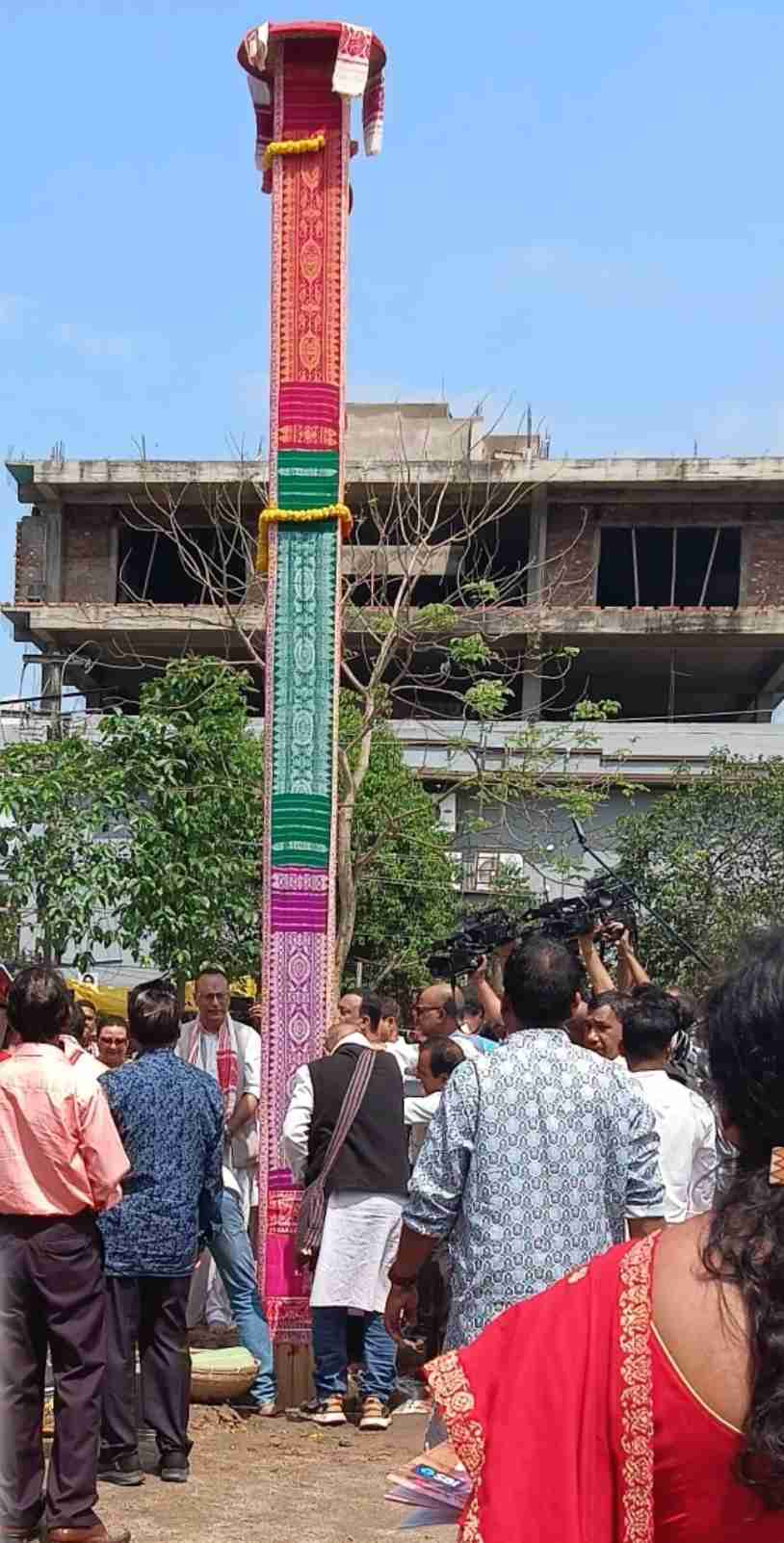
With the Laikhuta installing At Ganeshguri ,Guwahati the announcement of the 46th Ganeshguri Bohag Bihu Sammelan has once again brought a sense of anticipation and cultural pride to the city. Scheduled to be held from April 14 to April 16, the event promises a vibrant blend of tradition, community participation, and social initiative.
Bohag Bihu
Bohag Bihu the most cherished festival of Assam, is not merely a celebration of the Assamese New Year but a symbol of cultural identity, emotional belonging, and spiritual connection with the land. Bohag Bihu Sammelan play a vital role in preserving these traditions while adapting them to contemporary social needs.
The three-day programme
The three-day programme has been carefully curated. The opening day is set to begin with an inaugural ceremony followed by a series of cultural competitions including dance, music, and quizzes. These competitions are expected to attract enthusiastic participation from youth and children, with organisers promising attractive prizes. The second day will focus on cultural performances by local artists, theatrical presentations, and interactive sessions aimed at inspiring the younger generation through discussions and motivational talks. The final day will host the main Bihu celebrations, featuring traditional dance and music, along with a felicitation ceremony honouring individuals who have made significant contributions in various fields.
lack of adherence to traditional norms of sanctity during the programme
However, amid these well-intentioned plans, a sense of disappointment was expressed by several attendees regarding certain aspects of the inaugural event. One of the concerns raised was about the lack of adherence to traditional norms of sanctity during the programme. There were many media people to cover the entire programme and It was observed that participants entered the ceremonial space wearing shoes, even though the ground was soft and slightly wet. This is not merely a matter of physical cleanliness but of cultural sensitivity.In such sacred proramme mediapersons ,politicians or anyone are supposed to enter the Sanctum barefeet.
In Hindu tradition, especially during religious or semi-sacred cultural occasions, removing footwear is seen as a mark of respect—towards the land, the stage, and the spirit of the event itself. The argument raised by concerned individuals was simple: even if the soil was wet and could have soiled the feet, it could easily be cleaned. The deeper issue, is a gradual erosion of respect for cultural practices in the face of convenience and modern habits.
Non Hindu individual felicitation
Another point of discussion emerged around the felicitation segment of the programme. Organisers intended to honour a Particular individual only , some attendees questioned the selection criteria, particularly when a non-Hindu individual was felicitated during what they perceived as a culturally Hindu-centric event. This concern was not necessarily rooted in exclusion but in the belief that specific cultural platforms should first prioritize figures directly to that tradition.
At the same time, it is important to approach this issue with balance and sensitivity and that can be done by various other ways. Bihu, though deeply rooted in Assamese and agrarian traditions, has evolved into a festival that transcends boundaries undoubtedly true .It is celebrated by people across communities, and backgrounds, symbolising unity and shared common but indigenous cultural heritage.
The challenge, therefore, lies in maintaining a delicate balance—preserving the sanctity and essence of tradition while embracing inclusivity and modern values. Hindu Socioreligious Cultural events must remain rooted enough to retain their identity, yet open enough to reflect the diversity of contemporary society.
Despite these concerns, the broader vision of the Ganeshguri Bohag Bihu Sammelan remains commendable. The emphasis on community participation, special programmes for women, and competitions for children ensures that people of all age groups feel involved.
Cultural preservation
As the festival approaches, it also presents an opportunity for reflection—not just for organisers but for participants as well. Cultural preservation is not the responsibility of a few; it is a collective duty. Respecting traditions, understanding their significance, and adapting them thoughtfully to present times can ensure that festivals like Bohag Bihu continue to thrive with dignity and relevance.
In the end, Bohag Bihu is as much about joy and celebration as it is about identity and respect. The Ganeshguri Bohag Bihu Sammelan, with all its strengths and shortcomings, serves as a reminder that culture is a living entity—one that must be nurtured with both pride and introspection.
