
Goyal Flags Overfishing by Industrial Fleets at WTO Meet
India pushes for equity, protection of small fishers at global trade talks

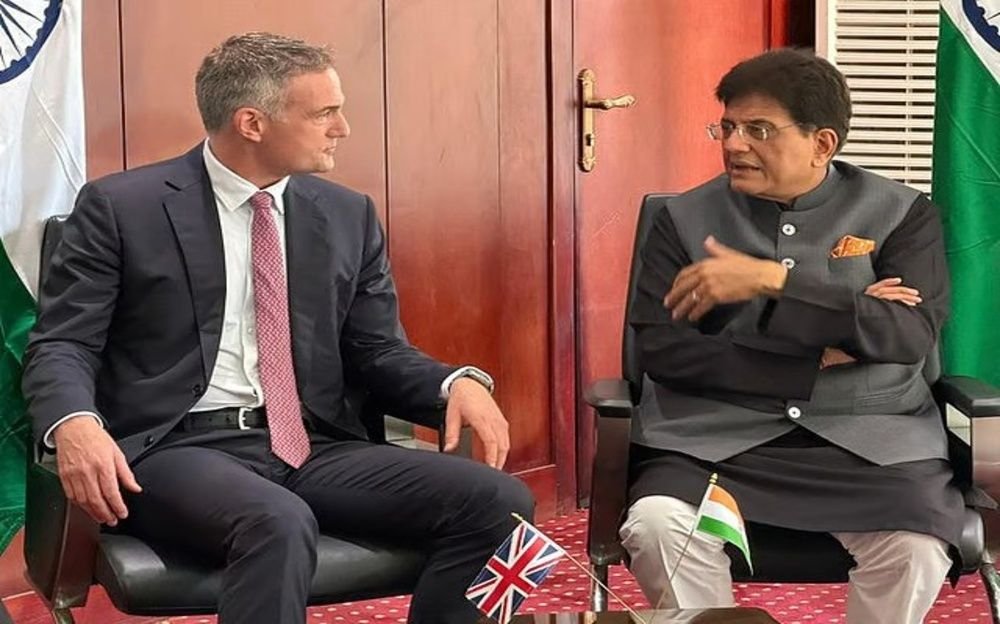
- Piyush Goyal raises fisheries concerns at WTO MC14
- Blames overfishing on subsidised industrial fleets, not small fishers
- Highlights livelihood of over 9 million Indian fisher families
- Calls for fair rules, longer transition for developing nations
GG News Bureau
Yaoundé, 30th March: Union Minister for Commerce and Industry Piyush Goyal on Sunday asserted at the World Trade Organization (WTO) Ministerial Conference that the global challenge of overcapacity and overfishing stems from heavily subsidised industrial fleets, not small-scale fishermen in developing nations like India.
Addressing the WTO’s 14th Ministerial Conference (MC14) in Yaoundé, Cameroon, Goyal emphasised that India’s fisheries sector plays a critical role in food security and livelihoods, supporting over 9 million fisher families, most of whom are traditional and artisanal fishers using sustainable practices.
He underlined that India does not operate large-scale industrial fishing fleets and provides minimal subsidies—estimated at around USD 15 per fisher family annually—compared to significantly higher subsidies in developed countries.
Highlighting India’s position in ongoing negotiations on fisheries subsidies, Goyal stressed the need for equitable global rules that recognise the developmental needs of countries and protect vulnerable communities.
India advocated for Special and Differential Treatment (S&DT) for developing and least developed countries, along with principles such as Common but Differentiated Responsibilities (CBDR) and the Polluter Pays principle.
The minister called for a 25-year transition period for developing nations and a permanent exemption for small-scale and artisanal fishers, while seeking stricter regulations on distant-water industrial fleets responsible for large-scale overfishing.
Goyal also highlighted India’s proactive conservation measures, including annual fishing bans and sustainable practices, noting that the country has long prioritised ecological balance even before it became a global concern.
India’s intervention at the WTO underscores its push for a balanced, development-oriented framework that safeguards marine ecosystems while ensuring the livelihoods of millions dependent on the fisheries sector.
