
Govt Accelerates PNG Shift Amid Supply Fears
Centre urges states to fast-track gas pipeline rollout as Middle East crisis threatens LPG supply

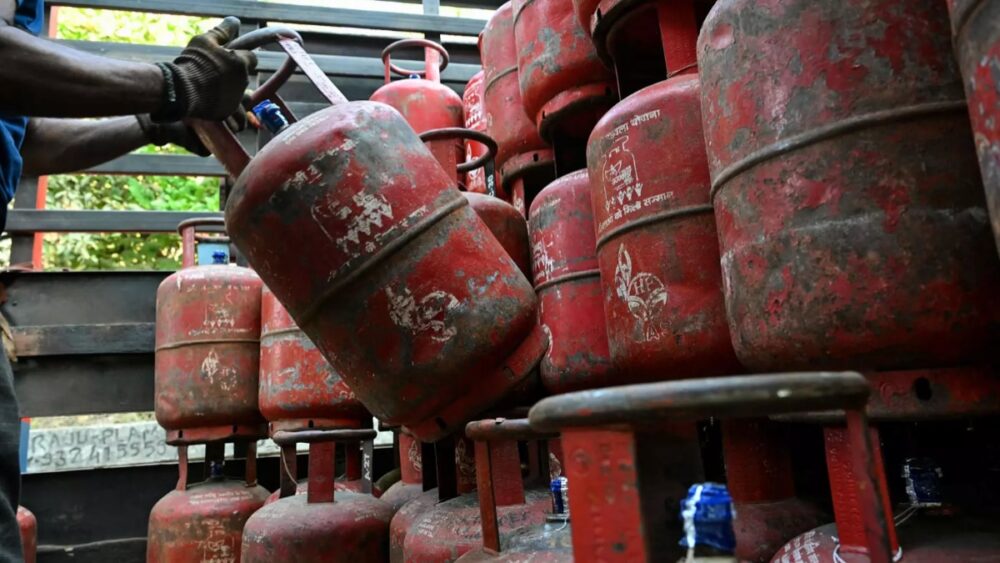
- Centre asks states to ease approvals for City Gas pipelines
- Consumers urged to shift from LPG to PNG amid supply concerns
- Strait of Hormuz tensions impact global oil and gas movement
- PNG seen as stable alternative due to domestic gas production
GG News Bureau
New Delhi, 18th March: Amid rising energy security concerns linked to tensions in the Middle East, the Centre has initiated measures to expand the Piped Natural Gas (PNG) network across India and reduce dependence on LPG imports.
The government has urged states and Union Territories to fast-track approvals for City Gas Distribution (CGD) pipeline projects by waiving road restoration and permission charges. Authorities have also been asked to appoint nodal officers to ensure swift implementation of pipeline infrastructure.
The move comes in the backdrop of disruptions in global energy routes, particularly after Strait of Hormuz—a key transit corridor for nearly 20 per cent of global oil and gas supplies—faced blockages amid ongoing geopolitical tensions.
India currently imports around 62 per cent of its LPG requirements, with nearly 90 per cent of these supplies routed through the Strait of Hormuz, making the country vulnerable to supply shocks.
To counter this risk, the government is encouraging domestic and commercial users to shift towards PNG. Urban commercial establishments such as hotels, restaurants, hospitals, and hostels are being advised to opt for PNG connections through authorised CGD entities like Indraprastha Gas Limited, Mahanagar Gas Limited, GAIL Gas Limited, and Bharat Petroleum Corporation Limited, which are offering incentives to boost adoption.
PNG, which is supplied directly through pipelines, is gradually emerging as a reliable alternative to LPG cylinders. Government data shows that around 1.59 crore households in India are already connected to PNG networks.
Industry experts highlight that PNG offers relatively stable supply due to domestic gas production. India’s natural gas consumption currently stands at about 189 Million Metric Standard Cubic Meters Per Day, with nearly 50 per cent met through domestic sources.
Prashant Vasisht, Senior Vice President at ICRA, said, “Domestic gas supply provides a cushion. If more users shift to PNG, the system can handle demand more smoothly compared to LPG.”
Officials from GAIL noted that India sources imported natural gas from multiple countries, including the United States, Russia, and Australia, reducing dependency on any single region.
However, experts caution that PNG is not entirely immune to global disruptions, as India still imports about half of its natural gas requirements. Any escalation in geopolitical tensions or interruption in LNG supplies could pose challenges.
The government’s push for PNG is being seen as a strategic step to diversify energy sources and strengthen resilience against global supply uncertainties, especially at a time when commercial LPG users remain concerned about potential shortages.
