

Poonam Sharma
The kind of behavior Donald Trump is displaying these days is not accidental. There is a much bigger reason behind it. The way the global economic system is changing, the way even the smallest and the largest countries are now trying to move away from the US dollar — all of this is connected. This transition is clearly visible in Donald Trump’s political actions, where he is doing something new every day.
The reality is that the dominance of the dollar, which once existed as the world’s primary reserve currency, is slowly eroding. At one point, nearly 70% of global trade was conducted in US dollars. That figure has now fallen to around 50%. This does not mean that the dollar will collapse in one or two years. Nothing dramatic will happen immediately. But if you compare the dollar’s strength today with where it will be 5 or 10 years from now, you will definitely notice a gradual weakening.
There are at least three major developments that clearly indicate this trend.
BlackRock’s Strategic Shift Away from US Treasuries
The first and most significant development involves BlackRock, the world’s largest asset management company. Among the world’s top 500 companies, it would be difficult to find one where BlackRock does not have a stake — whether it is Apple, Meta (Facebook), Google, Microsoft, Coca-Cola, or others. BlackRock manages assets worth over $13 trillion, more than any other company in the world.
BlackRock has now decided to significantly reduce its exposure to US Treasuries — effectively cutting back on American government debt instruments in its portfolio. The company has openly stated that it no longer wants to hold excessive dollar-based assets. While some dollar exposure is unavoidable, BlackRock is actively reallocating capital away from US Treasuries.
Instead, this capital is being redirected toward emerging markets. And the biggest emerging market today is obvious — India. Investments are being shifted to Asian markets, real estate, distressed assets, gold, and other alternative asset classes. In simple terms, the weight of the dollar in BlackRock’s portfolio is being steadily reduced.
One key reason for this shift is America’s exploding debt. The US government’s interest payments on debt have reached levels that exceed what many economies can sustainably afford. Despite this, political consensus in the US remains absent. Budgets get delayed, government shutdowns occur, and uncertainty dominates policymaking.
From a risk perspective, companies like BlackRock — which have access to the most advanced financial analytics through systems like Aladdin — can see trouble far earlier than others. These firms clearly anticipate future instability in the dollar and are therefore reducing exposure ahead of time.
Declining Trust in US Debt and Financial System
US Treasuries are essentially debt certificates issued by the American government to finance expenditures beyond its income. Countries, institutions, and corporations buy these bonds in return for promised interest payments.
However, confidence in these debt instruments is eroding. Many countries and large investors are no longer convinced that US debt is risk-free. As a result, demand for American bonds is falling.
India, for instance, has significantly reduced its exposure to US Treasuries. Last year, India held around $686 billion in foreign exchange reserves, of which roughly $200 billion was in dollar assets. This year, that figure has dropped sharply. India has been dumping dollars and instead increasing its gold reserves.
India now holds nearly 800 tonnes of gold, and gold’s share in India’s foreign reserves has risen to about 17%, with plans to increase it further to nearly 18–20% over the next few years.
China has already taken similar steps. BRICS nations collectively have reduced their dollar holdings. For the first time since 1996, gold has overtaken the euro to become the second-largest reserve asset globally after the dollar.
According to IMF and World Gold Council data, central banks around the world are aggressively increasing gold reserves. The trend is unmistakable: gold is rising, while dollar dominance is declining.
Global Rush Toward Gold and De-dollarisation
In the past year alone, central banks purchased nearly 1,100 tonnes of gold, and projections suggest this trend will continue. Countries like China, Kazakhstan, Turkey, and Poland are leading gold purchases. India also significantly increased gold holdings last year.
The shift away from the dollar accelerated sharply after the US froze Russian foreign reserves during the Ukraine conflict. This event was a wake-up call for many nations. It exposed how vulnerable countries are when their reserves are held within the dollar-based system and routed through mechanisms like SWIFT.
As a result, nations began diversifying reserves into gold, silver, commodities, and alternative settlement mechanisms. Even US allies such as Japan and Australia have started reducing reliance on US Treasuries.
India’s Export Growth Amid Global Uncertainty
Amid all this, there is a positive development for India. India’s total exports are expected to reach around $875–890 billion, which would be an all-time high. Between April and November, exports have already grown by nearly 6%, despite trade restrictions and tariffs imposed by the US.
Sectors such as electronics, pharmaceuticals, engineering goods, and manufacturing are performing particularly well. Even when the US imposed restrictions on Indian seafood exports — which earlier accounted for about 12% — India successfully diversified into new markets.
India has demonstrated that it can offset losses in one market by expanding into dozens of others.
Managed Rupee Depreciation and Strategic Advantage
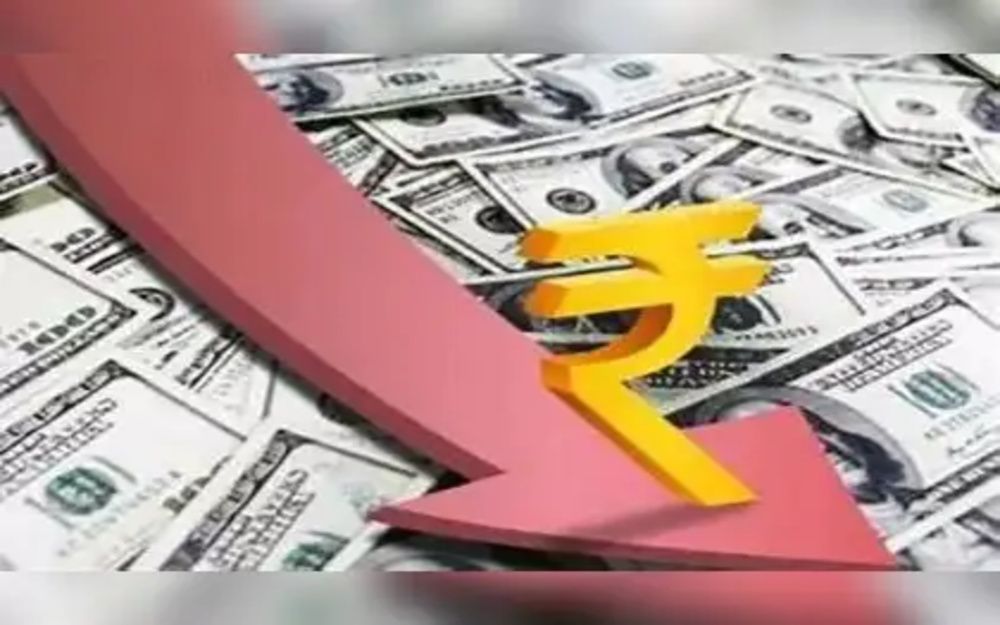
Many people worry about the rupee weakening from ₹80 to ₹90 per dollar. However, this depreciation is not entirely uncontrolled. It is being strategically managed. A slightly weaker rupee makes Indian exports more competitive globally.
While a weaker rupee can increase fuel import costs, India’s economy has grown large enough that fuel imports now represent a smaller percentage of total GDP. Additionally, discounted oil imports from countries like Russia help mitigate these costs.
Conclusion
In summary, the global financial order is undergoing a slow but profound shift. The dollar’s dominance is weakening. Major institutions and nations are diversifying away from it. Gold and alternative assets are gaining prominence.
Despite sanctions, geopolitical tensions, and global uncertainty, India’s economy continues to expand steadily. Export growth, reserve diversification, and strategic currency management reflect resilience and long-term planning.
The upcoming budget will be crucial in understanding the direction India’s economy is headed. There are high expectations from the government, and the next few years could be defining for India’s economic future.
