
Domestic Work and the Double Standard at Home
How everyday household work is used to judge women’s character while men are applauded for the same effort

Pratigya rai
Recently, a friend said something casually that stayed with me. She mentioned that she does not cook or wash utensils and added, almost jokingly, that she has been seen as “problematic” since childhood because of it. What was unsettling was not her refusal to do domestic work, but the language she used for herself. That language did not come from nowhere; it reflected what she had absorbed from her surroundings.
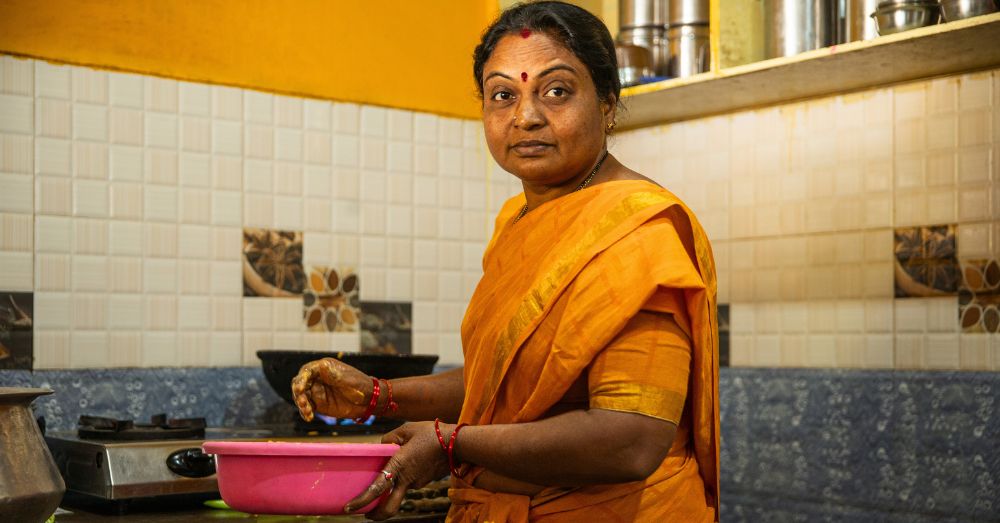
In many households, domestic work is not treated as shared responsibility but as a measure of a woman’s character. A girl who does not conform to expected roles is often labeled difficult or rebellious. A boy who avoids the same tasks, however, rarely faces judgment. Instead, his disengagement is normalized, even indulged.
This conditioning begins early. Girls are taught that learning household work is essential to becoming “good women.” Boys, on the other hand, are allowed distance from these responsibilities without consequence. Over time, this creates a deeply unequal standard of expectation, one that continues well into adulthood.
Even today, it is common to see grown men waiting to be served in their own homes, calling out when something they need does not immediately appear. The home, which should function as a shared space, subtly turns into a service environment where care work is assumed rather than negotiated.
What makes this contradiction more visible is how domestic work is framed when men choose to engage in it elsewhere. Cooking becomes a hobby, a stress-reliever, even a form of self-care. It is described as therapeutic. But this version of cooking is selective. It appears in leisure settings, on weekends, or in social situations—never during weekday mornings when children need lunch packed or routine meals need to be prepared.
The issue is not about who cooks, but about how the same activity is valued differently depending on who performs it. When men cook, it is seen as an expression of interest or creativity. When women cook, it is treated as an obligation tied to their worth and upbringing. This is not tradition; it is conditioning reinforced over generations.
The problem becomes more serious when women internalize these expectations and begin to judge themselves through the same lens. At that point, social bias no longer needs enforcement, it sustains itself. Questioning this imbalance may feel uncomfortable, but discomfort is often the first sign of awareness.
