

Poonam Sharma
The entry of non-Sanatanis into the Char Dham of Uttarakhand is not merely an administrative decision; it brings to the forefront a broader discourse on faith, tradition, and cultural preservation. At the center of this discussion is the decision by the Gangotri Dham Temple Committee to make the consumption of “Panchgavya” mandatory for non-Sanatanis—a move many view as a necessary step to protect Sanatana traditions.
The Sanctity of Gangotri
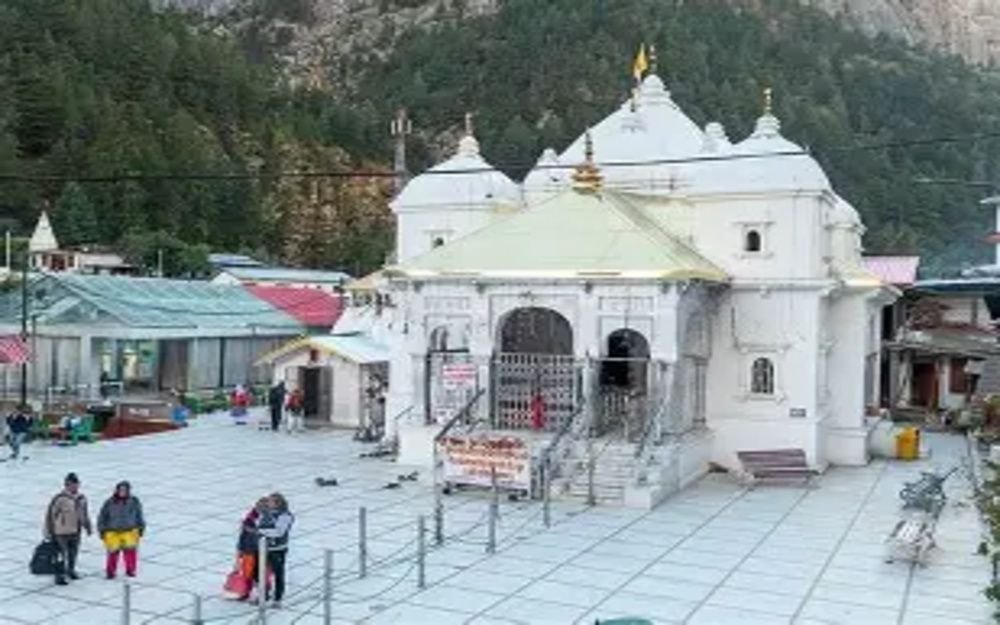
Gangotri Dham, revered as the origin of the Holy Ganga, is far more than a tourist destination; it is the spiritual anchor for millions of devotees. Maintaining the religious sanctity of such a site is not just the responsibility of local management but a profound cultural duty. The Temple Committee’s recent measures prioritize purity and tradition above all else.
The Significance of “Panchgavya”
In Hinduism, Panchgavya holds deep spiritual importance. A blend of five elements derived from the cow—milk, curd, ghee, urine, and dung—it is considered a supreme symbol of purification. Making this mandatory at Gangotri is not just a ritualistic formality; it serves as a signal that anyone entering the temple precincts must align with the sanctity and soul of the shrine.
Balancing Tradition and Inclusivity
It is essential to recognize that every religion has its own codes of conduct. Just as other global religions maintain protocols for their sacred spaces, Hindu temples must also uphold their ancestral traditions. This should be viewed not as a violation of rights, but as the preservation of faith.
Preserving the Spiritual Atmosphere
Viewing these developments solely through the lens of “restriction” would be one-dimensional. In an era where religious sites face increasing commercialization and “over-tourism,” these steps are efforts to safeguard the original spiritual atmosphere that has defined these Dhams for centuries.
Conclusion
The decision by the Gangotri Dham committee is a welcome move toward ensuring that traditions are not lost under the pressure of modernity. The strength of Sanatana Dharma lies in its ability to evolve without losing its core essence. The future of our heritage lies in this delicate balance—where faith, tradition, and a culturally aligned sense of inclusivity coexist with mutual respect.
