
Gaming Riches: How CS2 Skins Are Shaping Bharat’s Digital Future
"From rare virtual knives to billion-dollar markets, CS2 skins reveal how Bharat can harness gaming for economic growth, youth engagement, and digital influence."

Paromita Das
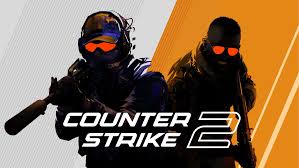
New Delhi, 3rd October: For decades, video games were dismissed as leisure, a pastime with little connection to economics or culture. Today, digital games are reshaping industries, and few examples illustrate this better than Counter-Strike 2 (CS2) skins and cases. In Bharat, these digital assets are far more than cosmetic add-ons; they reflect the intersection of economics, culture, and global influence. The value of a rare skin is driven by scarcity, desire, and identity, replicating forces that govern real-world financial systems. Studying CS2 skins allows a glimpse into how digital economies are redefining modern society.
How Skins Became Digital Gold

When Valve introduced cosmetic skins, the market’s potential was underestimated. Today, the in-game items industry generates billions annually, rivaling music and film. CS2 skins function as digital collectibles that convey status, serve as tradeable assets, and spark speculative behaviors. Case openings—where players purchase sealed containers hoping for rare items—create a dynamic economy fueled by chance and desire. Platforms hosting case openings act as hubs for this digital commerce, demonstrating how entertainment can evolve into a structured, lucrative market.
Gaming and Bharat’s Aspirational Youth

The CS2 skin market resonates strongly with Bharat’s evolving society. As a growing middle class gains disposable income, young Bharatiya use skins to assert digital status. Luxury goods have long signaled social position offline, and rare skins do the same online. Many players treat these items as investment opportunities, holding them in hopes of appreciation, mirroring speculative markets like cryptocurrency. By participating in a global marketplace, Bharatiya gamers also integrate with worldwide digital economies, reflecting Bharat’s ambition to become a key player in global digital trade.
Community as the Engine of Value

Unlike physical goods, which derive worth from material cost or utility, CS2 skins gain value from community perception. A rare skin offers no competitive advantage in gameplay; its value is socially constructed through demand, discussion, and online hype. Influencers, memes, and streaming content can rapidly increase a skin’s price, illustrating the power of social consensus in digital markets. Bharat can harness this principle, demonstrating how collective participation can create multi-billion-dollar ecosystems from seemingly intangible assets.
Case Openings: A Mirror of Global Trade

Opening a CS2 case is more than a game—it is a lesson in finance and risk. Each case represents a gamble with low odds but high potential rewards, echoing speculative investment strategies. Valve regulates the rarity of skins, controlling supply and influencing market value much like commodity markets do. Many skins carry cultural references, extending soft power digitally. In this sense, the CS2 ecosystem operates as a live demonstration of digital capitalism, where risk, scarcity, and community desire intersect to create economic value.
Regulation, Ethics, and Sovereignty

The rapid expansion of the skin economy raises questions about ethics and regulation. Western countries like Belgium classify loot boxes as gambling, restricting their availability. In Bharat and other parts of Asia, the market continues to flourish, although legal frameworks are emerging. Control over digital assets—including skins, NFTs, and other in-game items—confers financial and cultural power. Bharat faces a strategic choice: participate in this industry actively or risk ceding influence to foreign companies.
Lessons for Bharat’s Digital Future

CS2 skins offer important lessons for Bharat’s digital ambitions. Promoting domestic platforms ensures that wealth remains within the country, aligning with Atmanirbhar Bharat objectives. This market also represents an opportunity to move beyond IT services, positioning Bharat as a creator of globally recognized digital products. With over 600 million citizens under 25, gaming can drive skill development, entrepreneurship, and digital exports. The ecosystem surrounding CS2 skins already generates employment through streaming, content creation, trading, and platform development, highlighting a parallel gig economy built entirely around digital assets.
Skins as a Gateway to Financial Literacy

Engagement with skins teaches young players core economic concepts such as supply and demand, risk management, and speculative strategy. This early exposure prepares them for broader financial literacy and economic participation. Digital items also carry symbolic weight, shaping identity, influencing culture, and driving consumer behavior in ways that parallel historical status markers like coins or jewels.
The Road Ahead: Digital Power in Bharat

Traditional markets—gold, oil, or spices—operate on scarcity, demand, and risk. The CS2 skin market mirrors these principles, demonstrating that digital economies are subject to the same foundational rules. Looking forward, Bharat has an opportunity to balance regulation, promote domestic platforms, and leverage global positioning in the gaming economy. In this new landscape, influence no longer flows solely through physical commodities; digital assets are the new drivers of wealth, culture, and global soft power.
Modern Bharat Gold
CS2 skins may seem trivial, but they are emblematic of a new kind of economic and cultural currency. For Bharat, the lesson is clear: the future of wealth and influence lies not underground but online. By investing in domestic gaming infrastructure, supporting youth-led digital entrepreneurship, and nurturing financial literacy, Bharat can claim a leading role in shaping the 21st-century digital economy. In the age of virtual empires, the most valuable assets may be those that exist entirely in pixels.
