
From Tariffs to Trust: Why Bharat–US Relations Will Endure
"Despite disputes over trade and Russia, Washington and New Delhi continue to anchor one of the world’s most vital partnerships."

Paromita Das
New Delhi, 8th September: Bharat–US relations today present a fascinating mix of tension and trust. On the one hand, disagreements over tariffs and Bharat’s energy ties with Russia have created diplomatic friction. On the other, the highest political leadership in both capitals continues to reaffirm the depth of their friendship. This balance of contention and cooperation highlights not only the complexity of international politics but also the maturity of a partnership that has grown resilient over the years.
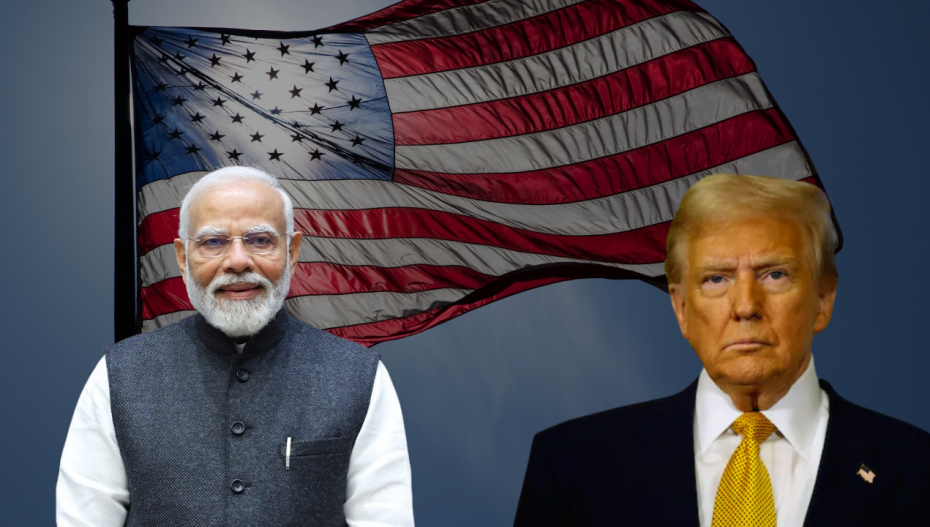
When asked about the current state of ties, US President Donald Trump responded with words that captured this paradox: “I will always be a friend of Modi. He is a great Prime Minister. Yes, at the moment I do not like some things, but there is a special relationship between Bharat and America. Such moments keep coming.” Prime Minister Narendra Modi, never one to miss a strategic opportunity, responded warmly on social media, stressing the “positive, visionary, comprehensive, and global strategic partnership” between the two countries.
This exchange may seem like routine diplomatic niceties, but it carries deeper meaning. It underscores the ability of both nations to acknowledge differences without allowing them to overshadow the larger picture.
Tariffs, Russian Oil, and the Perception of Drift

At the heart of the present friction lie two issues: trade and energy. The Trump administration’s decision to impose tariffs of up to 50% on Indian goods caused concern among exporters and industry leaders in Bharat. For Washington, the move was part of a broader “America First” trade agenda. For New Delhi, however, it felt like an unexpected setback in a relationship otherwise marked by expanding economic engagement.
The second issue—Bharat’s purchase of discounted Russian crude oil—proved even more contentious. With the Ukraine conflict reshaping global geopolitics, the US sought to isolate Moscow. Bharat, however, argued that its first duty was to ensure affordable energy for its 1.4 billion citizens. This divergence sparked frustration in Washington but also revealed Bharat’s longstanding principle of strategic autonomy.
Adding to the drama, photos from the Shanghai Cooperation Organisation (SCO) summit showing PM Modi with Vladimir Putin and Xi Jinping created a buzz in American media. President Trump himself remarked on social media, “Looks like we have lost Bharat and Russia to China.” Such comments, while sharp, often reflect perception more than reality. Bharat continues to chart an independent path, engaging Russia and China where necessary but without diluting its deepening ties with the United States.
Beyond Leaders: An Institutionalized Partnership

The Bharat–US partnership is no longer just about Modi and Trump—or any two leaders for that matter. Over the past two decades, ties have been institutionalized across defence, trade, technology, and people-to-people engagement.
From the landmark nuclear deal to the Quad grouping alongside Japan and Australia, cooperation has steadily broadened. Defence agreements allow interoperability between the two militaries, while technology transfers and joint ventures strengthen Bharat’s capacity as a regional power. In counter-terrorism, intelligence-sharing has saved lives. In the Indo-Pacific, both countries see each other as essential allies in balancing China’s assertiveness.
This institutional foundation means that temporary disagreements—whether on tariffs or energy imports—cannot easily derail the relationship. In fact, the ability to manage disputes without damaging the broader partnership reflects a maturity that is rare in international relations.
Shared Interests, Managed Differences

What makes Bharat–US ties stand out is the balance between shared interests and managed differences. Unlike alliances based on dependency, this partnership thrives on respect for each other’s autonomy. Bharat asserts its right to independent decision-making, while the US presses for closer alignment on global issues. The result is not perfect harmony, but a pragmatic relationship that is strong enough to withstand turbulence.
Both nations know that their cooperation yields far more benefits than conflict. From climate change to global security, no major challenge of the 21st century can be addressed effectively without collaboration between Washington and New Delhi. This recognition drives both capitals to keep the partnership on track even when disputes arise.
A Relationship Too Valuable to Fail

From my perspective, the current phase of Bharat–US relations should be seen less as a crisis and more as a stress test. Every mature relationship must pass through moments of tension. What matters is not the absence of disagreements but the ability to navigate them without losing sight of the larger strategic vision.
In this case, both leaders have made it clear that personal warmth and political differences can coexist. Trump’s reassurance that he will “always be a friend” and Modi’s “heartfelt appreciation” are not mere diplomatic pleasantries. They signal to domestic and international audiences that this bond is bigger than any one issue.
Bharat’s purchases of Russian oil or Washington’s tariff hikes may dominate headlines, but the real story lies in the long arc of cooperation. Defence ties, technology collaboration, and shared democratic values form the bedrock of a relationship that will outlast temporary disputes.
Enduring Bond in a Turbulent World
Bharat–US relations today are a reminder that global partnerships are rarely smooth, but they endure because of shared interests and mutual recognition of necessity. Disagreements over tariffs or Russian oil may test the relationship, but they cannot break it. The foundation built on democracy, strategic convergence, and economic opportunity is simply too strong.
As Trump and Modi exchange words of reassurance, the underlying message is clear: this partnership is not about avoiding friction but about weathering it together. In an unpredictable world order, the Bharat–US bond remains one of the most significant and enduring relationships shaping the future.
