

Poonam Sharma
Amid rapidly escalating tensions in the Middle East, unverified reports circulating on social media and live streams claim that large-scale missile and drone strikes have taken place across parts of the Gulf region, with explosions reportedly heard near Dubai and other locations in the United Arab Emirates.
According to accounts shared by individuals claiming to be in Dubai, the skies over parts of the region have been filled with interception attempts as defense systems track incoming projectiles. Several loud explosions were reportedly heard earlier, though in the past few hours the intensity of blasts appeared to fluctuate. Residents described seeing flashes in the sky consistent with air defense systems attempting to intercept missiles or drones.
These claims come amid a wider confrontation involving Iran, the United States, and Israel following reports of the death of Iran’s Supreme Leader, Ali Khamenei. Some sources allege that the strike that killed Khamenei involved a coordinated operation targeting a high-level meeting of Iranian military and security officials. According to the same accounts, multiple precision munitions were used in the strike, reportedly destroying the facility where senior figures of the Iranian security establishment had gathered.
However, no official confirmation of these details has been issued by Iranian authorities or independent international sources at the time of writing.
Missile Activity and Defense Interceptions
Witnesses reported seeing multiple projectiles streaking across the night sky in the Gulf region. Defense systems reportedly intercepted several of them, with fragments allegedly falling in isolated areas. Observers said explosions could be heard at intervals as missiles were intercepted mid-air.
Some claims suggest that Iranian forces launched retaliatory missile attacks targeting U.S. military installations across the region, including bases in Gulf countries. These reports also allege casualties among U.S. personnel, though there has been no confirmation from the Pentagon or other official sources.
The situation remains highly fluid, with different parties presenting conflicting information about the scale of damage and casualties.
Airspace Closures and Travel Disruptions
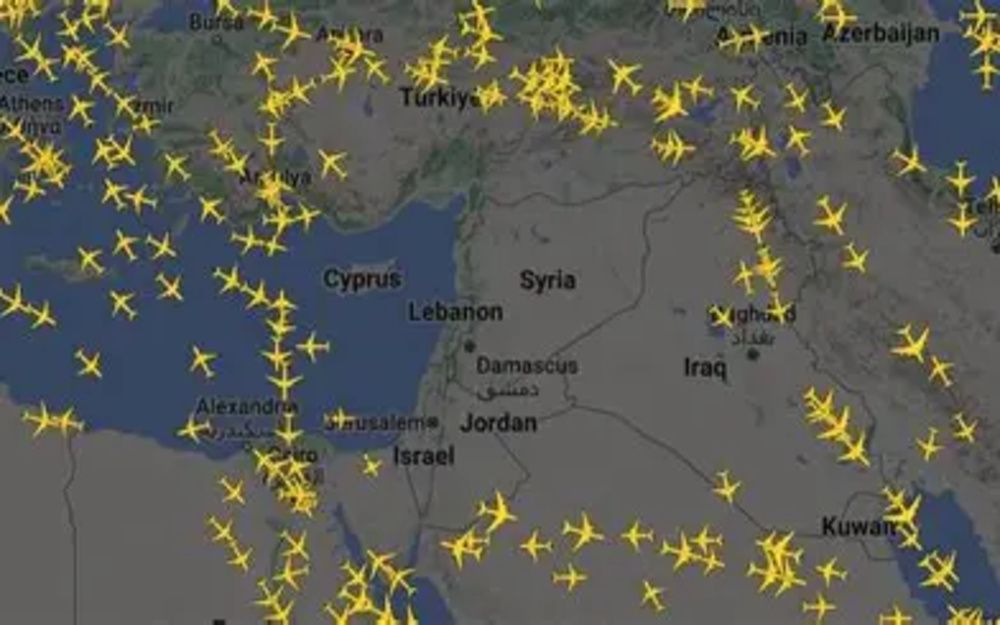
Air traffic across several Middle Eastern countries has reportedly been heavily disrupted. Witnesses and aviation tracking data suggest that airspace over parts of the Gulf region was temporarily cleared, with numerous flights canceled or diverted.
Passengers at major hubs, including Dubai International Airport, were said to be stranded after flights were halted. Hotels near the airport reportedly filled quickly as travelers waited for updates on when air traffic might resume.
Authorities have not yet issued a comprehensive statement detailing the extent of the disruptions.
Regional Escalation Fears
Security analysts warn that if the reported events are confirmed, they could mark one of the most significant escalations in the Middle East in recent years. The conflict risks drawing multiple regional actors into a wider confrontation.
Iranian military forces and the Islamic Revolutionary Guard Corps are believed to possess a large arsenal of ballistic missiles and drones, while Israel and the United States maintain advanced air defense systems and military assets across the region.
Despite the growing tension, diplomatic sources say several governments are working behind the scenes to prevent the conflict from spiraling into a broader regional war.
Uncertainty and Information War
Much of the information currently circulating comes from eyewitness accounts, social media posts, and unofficial sources. In times of conflict, misinformation and exaggerated claims often spread rapidly, making verification difficult.
Officials and analysts are urging caution until confirmed statements emerge from governments or credible international monitoring agencies.
For now, the situation across the Middle East remains tense, with the world watching closely as events continue to unfold.
