

Poonam Sharma
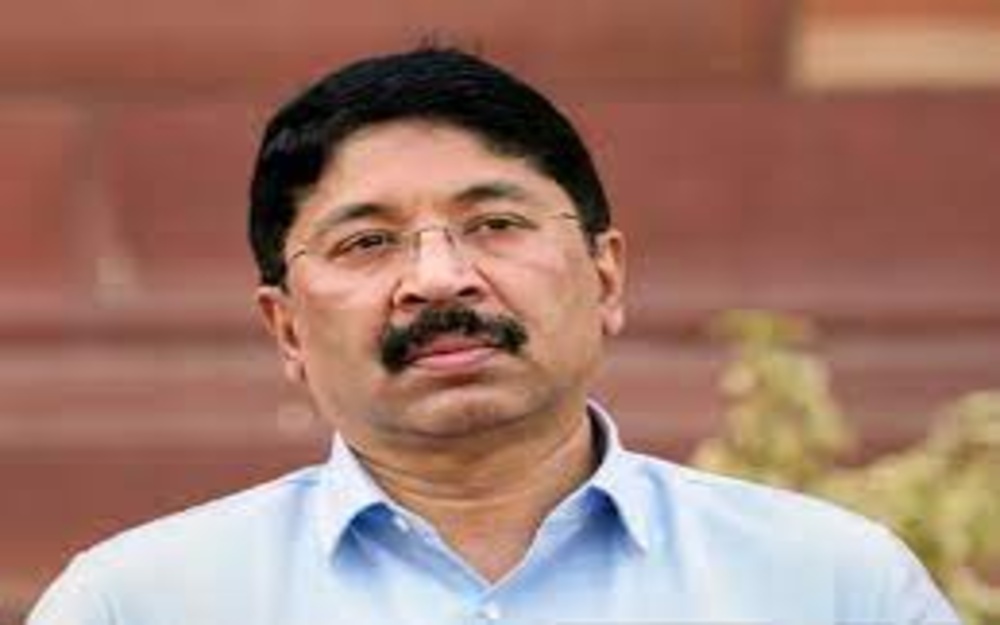
With Tamil Nadu heading towards a crucial Assembly election later this year, political rhetoric in the state is taking an increasingly disturbing turn. A recent statement attributed to DMK MP Dayanidhi Maran—allegedly describing North Indian women in a derogatory, reproductive stereotype—has sparked widespread outrage. The remark is not merely offensive; it exposes a deeper problem of regional prejudice being cynically deployed for electoral gain.
At a time when India is striving to strengthen social cohesion amid economic and geopolitical challenges, such statements threaten to reopen old wounds between regions that together form the fabric of the nation.
Beyond Insult: Why the Remark Is Dangerous
Derogatory comments targeting women from a particular region are never “casual” or “political humour.” They are instruments of dehumanisation. When women are reduced to biological functions or stereotypes, it strips them of dignity, individuality, and agency. In this case, the insult is twofold: it demeans women and simultaneously vilifies an entire region of the country.
North Indian women—like women anywhere else—are professionals, workers, caregivers, leaders, entrepreneurs, and students. Reducing them to crude caricatures reflects not only moral bankruptcy but also intellectual laziness. Such language normalises misogyny and regional hatred under the guise of political critique.
Electoral Politics and Manufactured Divisions
The timing of the remark is significant. With Tamil Nadu’s Assembly elections approaching, the DMK appears increasingly reliant on divisive narratives to consolidate its traditional vote base. Playing the “North vs South” card has long been a political strategy in the state, but weaponising gendered insults marks a troubling escalation.
Instead of addressing issues such as unemployment, education quality, farmer distress, industrial growth, or urban infrastructure, leaders find it easier to manufacture enemies. This brand of politics thrives on resentment rather than solutions.
What makes this particularly concerning is that such rhetoric does not remain confined to political rallies. It seeps into public discourse, social media conversations, and everyday interactions, deepening mistrust between communities that have lived, worked, and contributed together for decades.
The Silence from the Top
Equally troubling is the absence of a strong and unambiguous response from Tamil Nadu Chief Minister M.K. Stalin. As the head of the government and leader of the ruling party, Stalin carries the responsibility of setting ethical boundaries for political conduct.
Silence—or half-hearted distancing—can be interpreted as tacit approval. When senior leaders fail to reprimand such remarks decisively, it sends a message that inflammatory speech is acceptable as long as it serves electoral objectives. This erodes democratic norms and weakens public trust in leadership.
A simple condemnation is not enough. Accountability must follow words. If parties claim to stand for social justice and equality, they must demonstrate it not only through policy documents but also through disciplined conduct of their representatives.
Regional Pride vs Regional Prejudice
There is nothing wrong with celebrating Tamil identity, language, or culture. Tamil Nadu’s civilisational heritage is rich, profound, and worthy of pride. However, pride becomes prejudice when it is built on the denigration of others.
India’s strength lies in its pluralism. The idea that one region must be portrayed as inferior for another to feel superior is fundamentally flawed. North and South India are not rivals; they are interdependent. Migration, trade, education, and cultural exchange have long blurred these artificial boundaries.
Statements like these risk alienating millions of Indians who contribute to Tamil Nadu’s economy and society, including migrant workers, professionals, and students from northern states. Social harmony cannot survive sustained verbal hostility from those in power.
Women Should Not Be Political Ammunition
Perhaps the most painful aspect of this controversy is how casually women are dragged into political crossfire. Women’s bodies, choices, and lives are repeatedly used as tools for political point-scoring—often by the same leaders who claim to champion gender equality.
If political parties are serious about women’s empowerment, they must first learn to speak about women with respect. Condemning misogyny should not depend on which region the women come from.
A Moment for Reflection
Elections test not only political strategies but moral character. Tamil Nadu’s voters have historically shown political maturity and an ability to see beyond shallow rhetoric. This moment calls for introspection—not just within the DMK, but across India’s political spectrum.
The question is simple: Do we want an India where leaders win votes by insulting fellow citizens, or one where differences are debated with dignity and reason?
Words matter. When spoken by those in power, they matter even more. It is time for political leaders to remember that before the damage becomes irreversible.
