

Poonam Sharma
Dhurandhar is not just a film—it is a moment in Indian cinema when storytelling decides to stop whispering and starts speaking plainly. From its first frame to its last unsettling silence, the film announces that it has no interest in cosmetic nationalism or safe symbolism. It wants to look straight at the uncomfortable realities that have shaped India’s security history, and it does so without apology.
At a purely cinematic level, Dhurandhar is arresting. The characters feel lived-in, not “performed.” Costumes are not flashy props but extensions of personality—creases, stains, insignia, and uniforms all telling their own silent stories. The actors don’t act for applause; they inhabit their roles. There is restraint where restraint is needed and fury where fury feels inevitable. No monologues scream patriotism; instead, quiet expressions and exhausted eyes carry the weight of decades of conflict.
The cinematography deserves special mention. The camera does not romanticize violence, nor does it sanitize it. Border landscapes look tense, not picturesque. Shadows linger longer than comfort allows. Every frame seems to suggest that this is a story unfolding in moral grey zones, where decisions are never clean and consequences are never distant. The background score knows when to step back, allowing silence to do the talking—often the most disturbing choice of all.
But Dhurandhar is not being discussed so intensely merely because it is well made. It is being discussed because of what it dares to say.
For the first time in mainstream Indian cinema, Pakistan is not portrayed through euphemisms or vague metaphors. The film openly exposes what many analysts, soldiers, and intelligence veterans have said for decades: that the Pakistani state structure is not a conventional democracy struggling with extremism, but a system where real power lies with the army and the ISI, while civilian governments function more like temporary managers. Local goons, mafia networks, radical outfits, and political proxies are shown not as rogue elements, but as tools—useful, expendable, and deniable.
What makes Dhurandhar unsettling is that it shows how hostility towards India is not just policy in Pakistan—it is identity. The film suggests, with chilling clarity, that Pakistan’s statehood has long thrived on perpetual enmity with India. Peace is not profitable there; tension is. Violence across the border is not accidental; it is strategic. Terror groups are not embarrassments; they are assets.
Equally bold is the film’s refusal to whitewash India’s internal failures. Without turning preachy, Dhurandhar hints at how previous political indecision, diplomatic softness, and misplaced moral posturing—particularly under Congress-led governments—allowed hostile networks to grow bolder. The film does not accuse individuals; it indicts a mindset. A mindset that believed dialogue could tame those who never intended peace, that restraint would be seen as virtue rather than weakness.
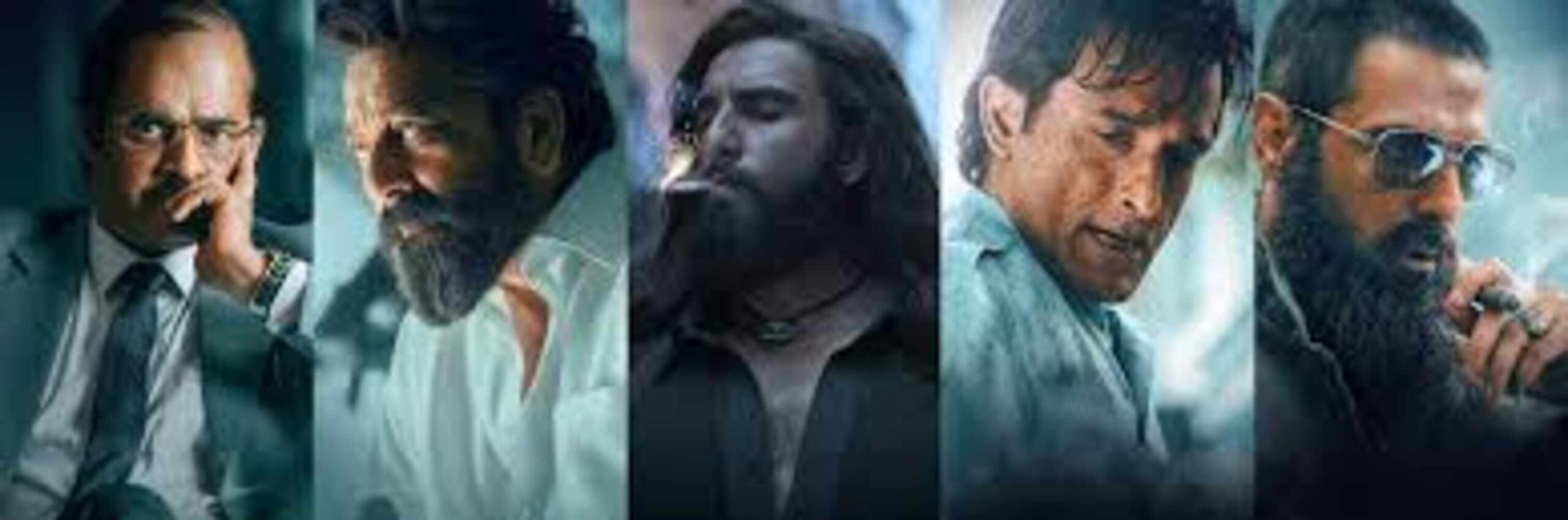
Sanjay Dutt as SP Chaudhary Aslam
Sanjay Dutt plays SP Chaudhary Aslam, a character directly based on the real-life Pakistani police officer Chaudhry Aslam Khan.
The Real Person: Chaudhry Aslam was a legendary and controversial “encounter specialist” in the Sindh Police, Karachi. He was famous for leading the Lyari Task Force and was known for his “tough-on-crime” approach, often operating in a grey legal area.
The Portrayal: Sanjay Dutt’s performance is modeled after Aslam’s real-life persona—his signature white shalwar kameez, his habit of chain-smoking, and his fearless (and often brutal) methods.
The Fate: In real life, Chaudhry Aslam was assassinated in a 2014 suicide bombing claimed by the TTP (Taliban). The film depicts his battle against the Lyari gangs.
2. Ranveer Singh as Hamza (Major Mohit Sharma)
In the movie, Ranveer Singh (playing the protagonist) uses the alias Hamza Ali Mazari while undercover in Pakistan.
The Real Inspiration: His character is inspired by Major Mohit Sharma, a decorated Indian Army officer (Ashoka Chakra awardee).
The Mission: Like the real Major Mohit Sharma—who reportedly infiltrated the Hizbul Mujahideen under the name “Iftikhar Bhatt”—Ranveer’s character “Hamza” is an undercover operative working deep inside enemy territory to dismantle terror networks.
Comparison: Movie vs. Reality
The table below shows how the film Dhurandhar matches real-life figures:
| Movie Character | Played By | Real-Life Inspiration |
| SP Chaudhary Aslam | Sanjay Dutt | Chaudhry Aslam Khan (Karachi Police SP) |
| Hamza / Jaskirat | Ranveer Singh | Major Mohit Sharma (Indian Army/RAW) |
| Rehman Dakait | Akshaye Khanna | Sardar Abdul Rehman Baloch (Lyari Gang Leader) |
| Ajay Sanyal | R. Madhavan | Ajit Doval (National Security Advisor) |
What ultimately makes Dhurandhar powerful is its human core. Beneath the geopolitics and intelligence operations are families waiting for calls that may never come, officers wrestling with orders that clash with conscience, and civilians living under the constant shadow of violence they did not choose. The enemy is not demonized through caricature but exposed through systems and patterns—making the truth far more disturbing.
In the history of Indian cinema, Dhurandhar will be remembered as a film that refused to play safe. It trusted its audience to handle complexity and uncomfortable truths. It did not aim to please everyone—and that is precisely its strength.
This is cinema that unsettles, provokes, and stays with you long after the screen goes dark. Not because it shouts slogans, but because it dares to show the cost of pretending for too long.
