
Dhaka Death Sparks Speculation on CIA Plot Targeting PM Modi
Mysterious US officer’s death fuels debate on intelligence operations in India’s backyard

GG News Bureau
New Delhi, 24th Oct: The mysterious death of US Special Forces officer Terrence Arvelle Jackson in a Dhaka hotel room on August 31 has stirred a wave of speculation among geopolitical observers, who suggest the incident may be linked to larger intelligence movements across South Asia. While no official statement has confirmed foul play, analysts believe the episode underscores renewed US interest and covert activity in the region — particularly around India and its allies.
The United States and its intelligence agency, the Central Intelligence Agency (CIA), have long faced accusations of interference in foreign nations through regime change operations and civil uprisings. From the Afghan resistance during the Soviet invasion in 1979 to political instability in Bangladesh and Nepal, the CIA’s presence in South Asia has often drawn scrutiny.
The recent case in Dhaka has revived these concerns. According to media reports, Jackson was stationed in Bangladesh ostensibly to train the nation’s armed forces on Saint Martin’s Island. However, his sudden and unexplained death coincided with Prime Minister Narendra Modi’s visit to Tianjin, China, for the Shanghai Cooperation Organisation (SCO) summit.
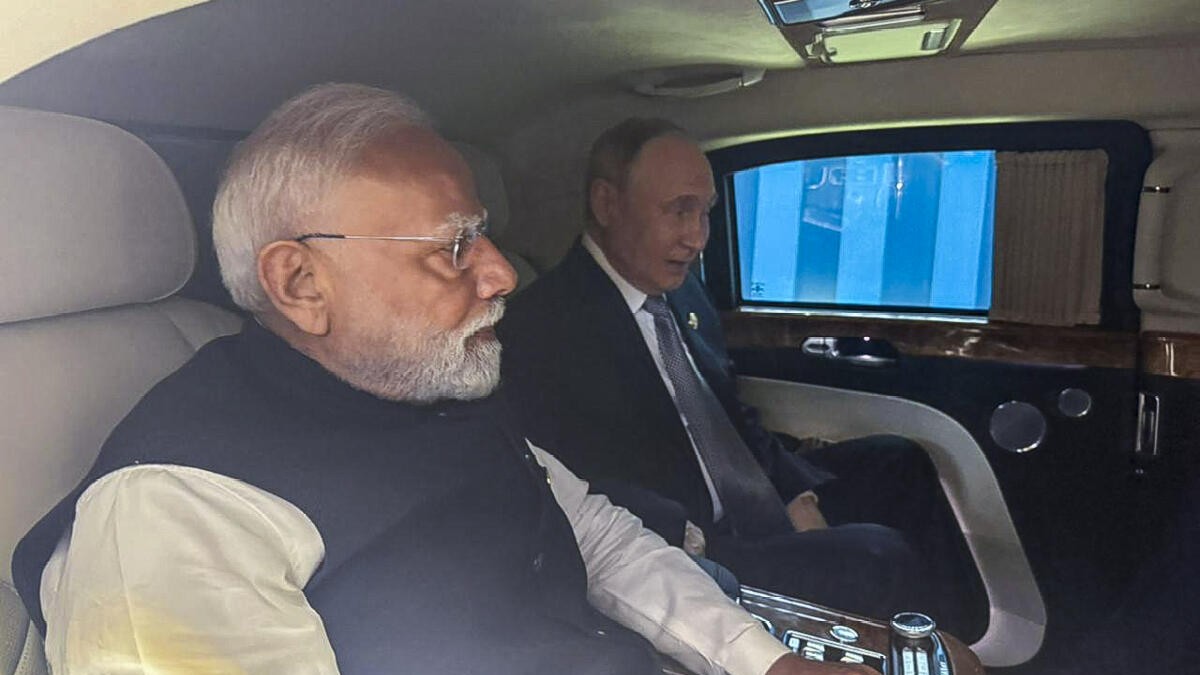
During the summit, Prime Minister Modi held an unplanned, 45-minute conversation with Russian President Vladimir Putin, reportedly in the confines of a vehicle — an unusual occurrence that immediately caught global attention. Experts have since connected this sequence of events, suggesting that Indo-Russian intelligence cooperation may have uncovered an undisclosed plot in the region.
While such theories remain unverified, they have gained traction after Modi’s cryptic remark during the Semicon Summit in New Delhi on September 2, a day after his return from China:
“Are you clapping because I went to China or because I came back?”
Analysts interpret this as a subtle reference to the risks faced by the Prime Minister on foreign soil — possibly alluding to heightened security threats.
Observers also note that India’s assertive foreign policy, independent trade stances, and deepening ties with Russia, West Asia, and the Global South have not always aligned with Washington’s strategic objectives. The United States has previously voiced concerns over India’s continued purchase of Russian oil and its neutral stance on Western-led sanctions.
“Any strong, self-reliant and nationalist government in New Delhi is bound to unsettle foreign hegemonic powers,” said a retired Indian diplomat, requesting anonymity. “India’s rise as the world’s fifth-largest economy and its assertive sovereignty are reshaping the regional balance, and that invites external attempts to influence or destabilize.”
While there is no official evidence linking the Dhaka incident to any plot targeting India, the episode has amplified debate about covert geopolitical games being played in South Asia. What remains clear is that New Delhi under Modi has signalled its unwillingness to succumb to any external pressure — economic or political.
As the Prime Minister has often reiterated, India’s sovereignty, security, and dignity remain non-negotiable, even amid an evolving world order marked by covert rivalries and silent wars.
