
Delhi Hosts North East Conference 2026 on Culture and Development
Experts discuss culture, development and national integration of Northeast India

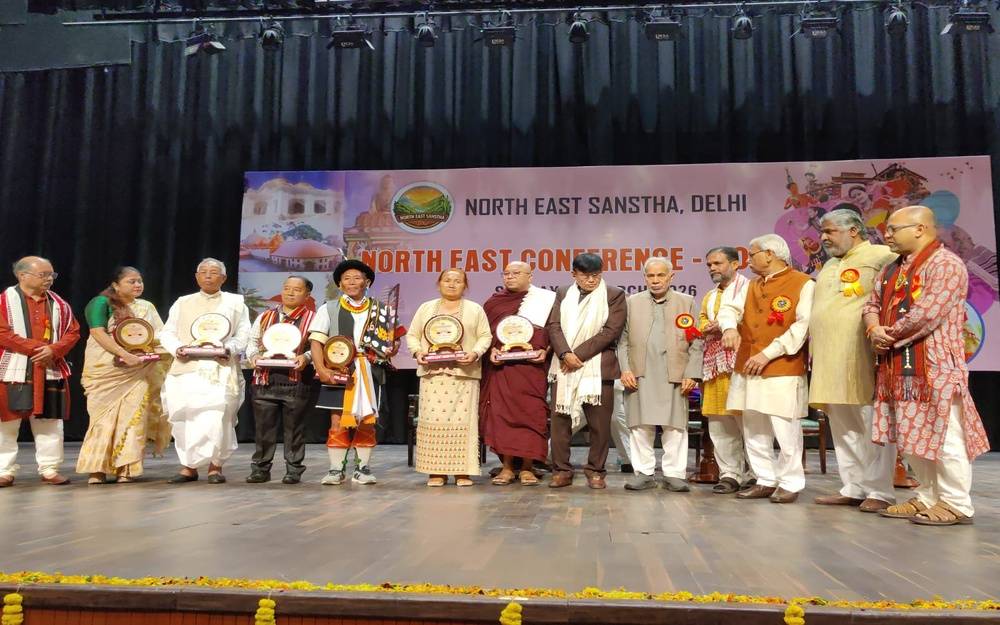
- North East Conference 2026 concludes at Constitution Club of India in New Delhi
- Scholars and policymakers deliberate on culture, development and policy issues
- Speakers highlight Northeast’s historical contributions and strategic importance
- Achievers from six Northeastern states honoured for contributions to society
GG News Bureau
New Delhi, 5th March: The North East Conference 2026, organised by the North East Sanstha, concluded at the Constitution Club of India after a day of discussions on the culture, development trajectory and national integration of Northeast India.
The conference brought together prominent thinkers, policy experts, academicians, social workers and cultural personalities who engaged in detailed discussions on the region’s historical significance, policy perspectives and future opportunities.
Discussions on culture and development
Throughout the day, thematic sessions focused on the rich cultural heritage of Northeast India, traditional systems, developmental progress, social harmony and emerging possibilities for the region.
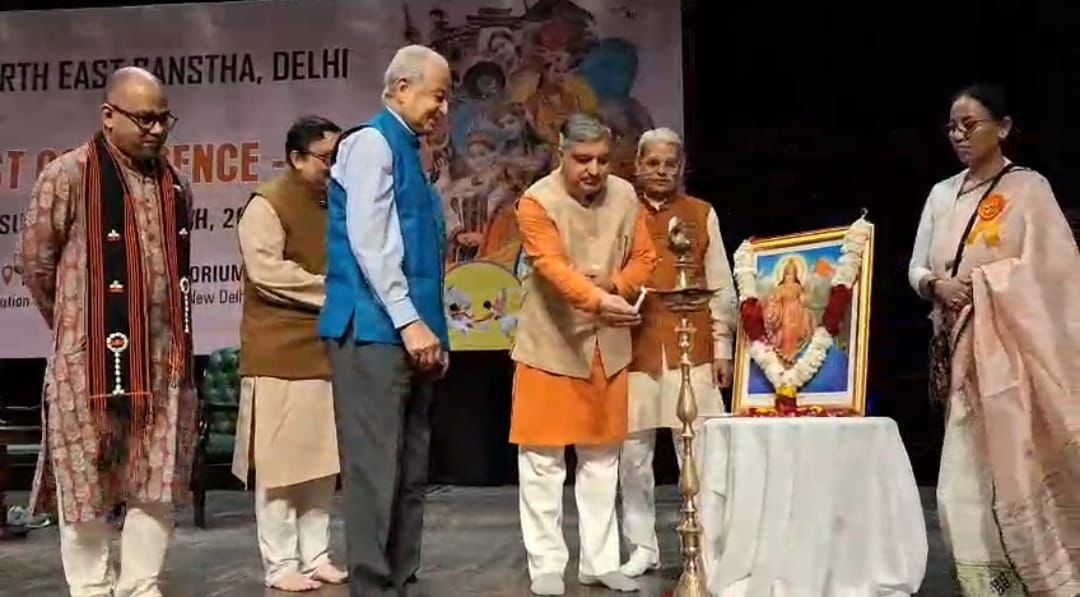
Participants discussed the transformation witnessed in the Northeast in recent years and emphasised the region’s growing importance in India’s national development narrative.
Speakers highlight Northeast’s unique identity
During the inaugural session, former Tourism Secretary of the Government of India Madan Prasad Bezbaruah highlighted the unique sensitivities of the Northeast and its gradual integration with the rest of the country through improved connectivity and engagement.
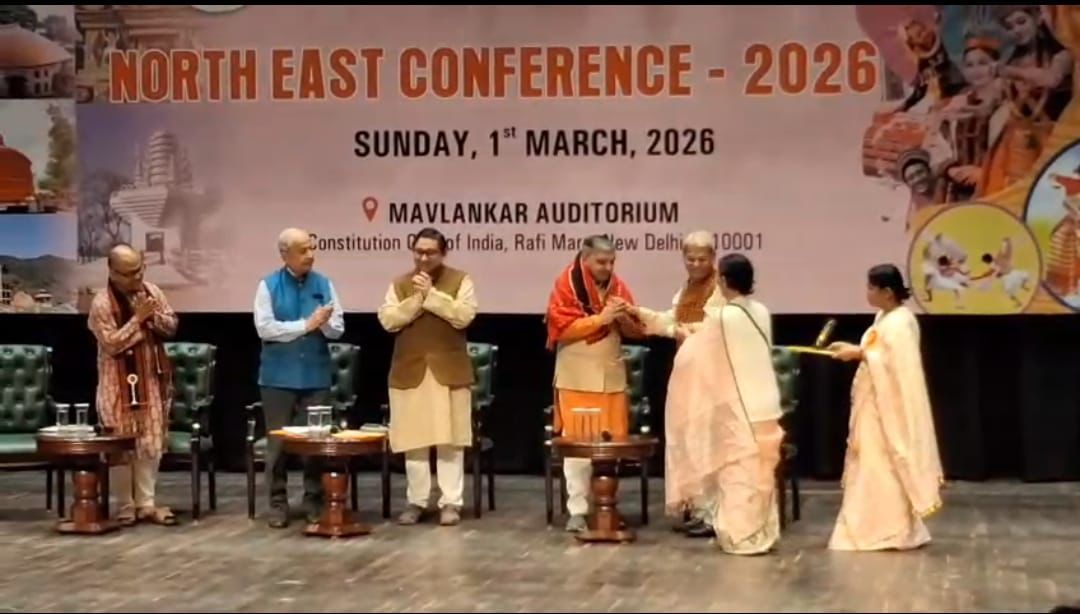
Additional Solicitor General Bikram Banerjee spoke about the importance of customary laws in the region, noting their role in preserving indigenous identity and maintaining social balance.
Narendra Thakur of the Rashtriya Swayamsevak Sangh highlighted the civilisational legacy of the Northeast and traced its cultural continuity from ancient times to the present.
Nagaland University Chancellor Samudragupta Kashyap also spoke about the contributions of freedom fighters from the region, noting that their sacrifices played an important role in strengthening India’s independence movement.
Sessions on history, sports and development
In another session, Delina Khongdup highlighted prominent personalities from Meghalaya who contributed to the region’s cultural development.
Social activist Premanand Sharma spoke about the achievements of athletes from the Northeast and their growing global recognition.
Oinam Bhagat from Jawaharlal Nehru University discussed the colonial distortions in the history of the Northeast and emphasised the need to correct historical narratives.
Director General of North East Centre for Technology Application and Reach, Arun Sharma, highlighted recent developmental progress in the region, pointing to improvements in infrastructure, connectivity and policy initiatives.
Achievers from Northeast honoured
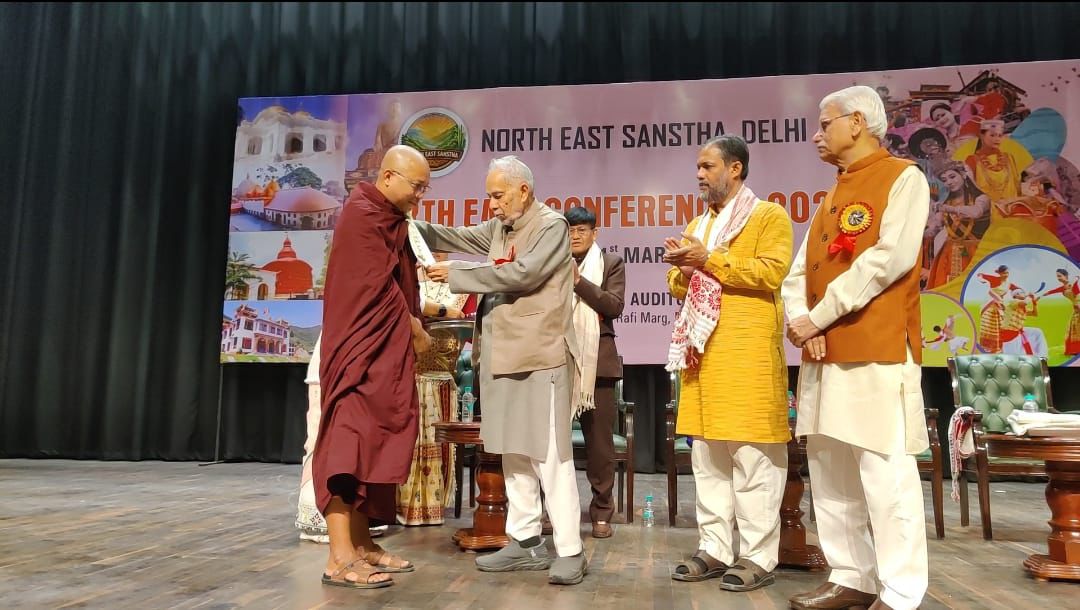
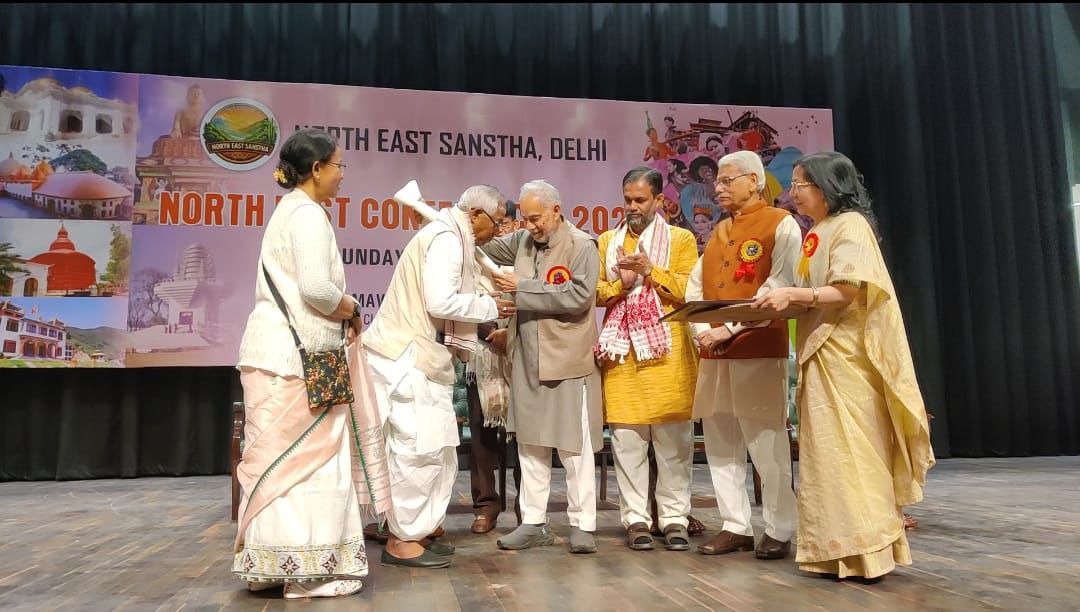
During a special felicitation ceremony, individuals from several Northeastern states were honoured for their contributions in fields such as art, agriculture, education and cultural preservation.
The North East India Achievers 2026 Awards were presented to:
- Tana Yami from Arunachal Pradesh for work in sustainable agriculture and livelihoods
- Ananya Talukdar from Assam for promoting Sattriya dance among underprivileged communities in Guwahati
- Lampokpam Laxpati Singh from Manipur for contributions to performing arts
- Laltlanzauva from Mizoram for preserving indigenous Mizo cultural traditions
- Yose Chaya Angami from Nagaland for promoting Angami Naga cultural heritage
- Dhammapiya from Tripura for contributions to education and community development
Call for stronger national integration
The concluding session was attended by senior journalist and Padma Bhushan awardee Ram Bahadur Rai, Chairman of Indira Gandhi National Centre for the Arts, who spoke about historical processes that shaped the Northeast and emphasised the growing national focus on the region’s development.
Vice-Chancellor of Manipur University of Culture Poonam Gunindra highlighted the importance of expanding road, rail and air connectivity to further integrate the region with the rest of India and the world.
Sunil Mohanty emphasised the role of social harmony in economic progress and described Northeast India as a region of both strategic and civilisational importance for the country.
The conference concluded with a collective resolve to strengthen national integration, promote cultural pride, expand policy dialogue and support sustainable development initiatives in Northeast India.
Participants noted that the Northeast is increasingly emerging as a vital pillar of India’s cultural richness, strategic importance and development journey.
