
Deepavali Added to UNESCO’s Intangible Heritage List
A proud moment for India, says Culture Minister Shekhawat

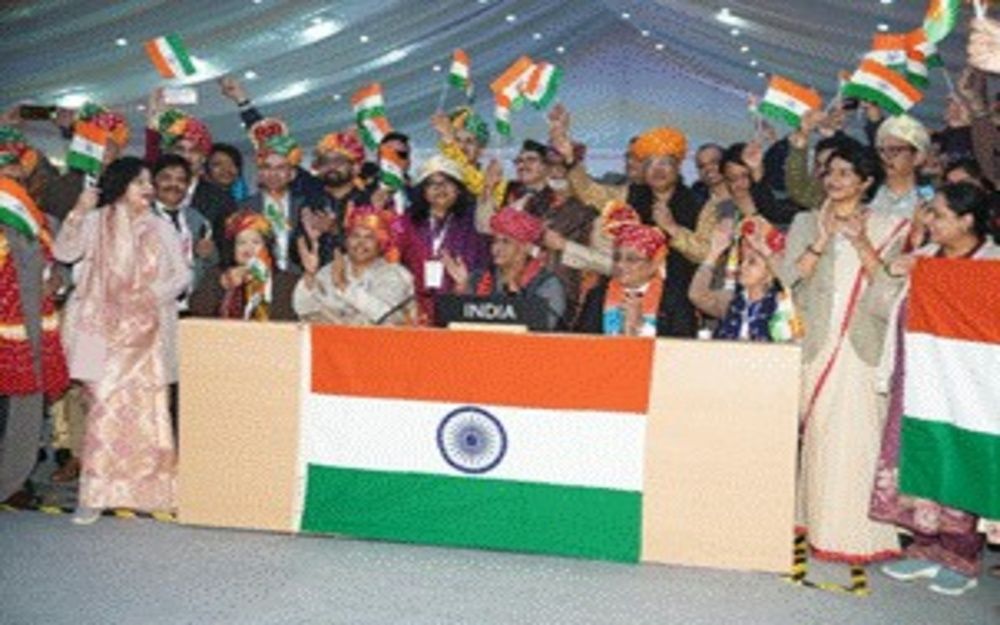
- Deepavali inscribed on UNESCO’s Representative List of Intangible Cultural Heritage
- Decision adopted at the 20th Session of the UNESCO Committee at Red Fort
- Minister Shekhawat says the festival embodies “Tamso Ma Jyotirgamaya”
- Inscription honours millions who sustain the living tradition across India and the diaspora
GG News Bureau
New Delhi, 10th Dec: Deepavali, one of India’s most cherished and widely celebrated living traditions, has been inscribed on UNESCO’s Representative List of the Intangible Cultural Heritage of Humanity. The announcement was made during the 20th Session of the UNESCO Intergovernmental Committee held at the Red Fort in New Delhi.
The decision was adopted in the presence of Union Minister of Culture Gajendra Singh Shekhawat, Culture Secretary Vivek Aggarwal, senior officials, international experts and delegates from 194 Member States. Welcoming the inscription, Shekhawat said it was a moment of immense pride for India and for communities around the world who continue to nurture the timeless spirit of Deepavali.
The Minister noted that the festival carries the universal message of “Tamso Ma Jyotirgamaya”—the transition from darkness to light—symbolising hope, renewal and harmony. He emphasised that Deepavali thrives not merely as a festival of lights, but as a vibrant, people-driven cultural tradition sustained by millions. These include potters who craft diyas, artisans who prepare festive decor, farmers, sweet makers, priests and families who uphold rituals passed down through generations.
Shekhawat also highlighted the significant role of the Indian diaspora whose celebrations across Southeast Asia, Africa, the Gulf, Europe and the Caribbean have carried the essence of Deepavali across continents, reinforcing cultural connections worldwide.
The inscription, officials said, brings with it a renewed responsibility to safeguard and transmit Deepavali’s values to future generations. Citizens were urged to embrace the festival’s inclusive spirit and continue supporting India’s intangible cultural traditions.
Deepavali was recognised for its deep cultural significance and its role in promoting unity, renewal and social cohesion. Its diverse practices—lighting diyas, rangoli making, traditional crafts, rituals, community gatherings and intergenerational knowledge-sharing—reflect its enduring vitality and adaptability across time and geography.
The nomination, prepared by the Ministry of Culture through the Sangeet Natak Akademi, followed extensive nationwide consultations involving practitioners, artisans, agrarian communities, diaspora groups, individuals with special needs, transgender communities, cultural organisations and tradition bearers. Their collective inputs underscored Deepavali’s inclusive, community-led continuity and the expansive livelihood ecosystem it supports—from potters and rangoli artists to florists and sweet-makers.
UNESCO noted that Deepavali strengthens social bonds, supports traditional crafts, fosters generosity and wellbeing, and advances several Sustainable Development Goals, including livelihood enhancement, gender equality, cultural education and community welfare.
The Ministry of Culture welcomed the global recognition, stating that the inscription will raise international awareness about India’s intangible heritage and help reinforce efforts to safeguard community-based traditions for future generations.
