

By Anjali Sharma
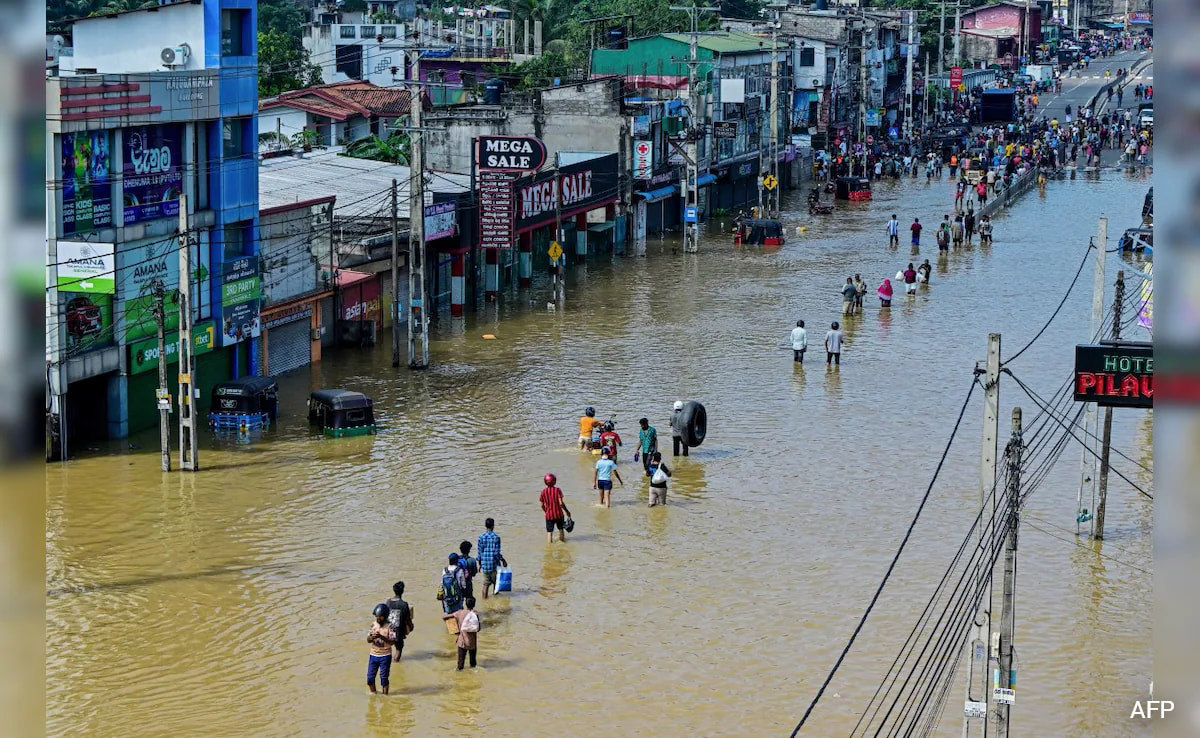
WASHINGTON – Sri Lanka Disaster Management Centre on Sunday said in a statement that devastating floods have torn through parts of Colombo as Sri Lanka facing the aftermath of Cyclone Ditwah, with the death toll 193 and some 228 people still missing.
The cyclone’s relentless weeklong rains triggered widespread floods and mudslides across the island, officials stated.
Only after rescue teams cleared blocked roads is the true scale of destruction in the central region coming into focus, local media reported.
“Although the cyclone has left us, heavy rains upstream are now flooding low-lying areas along the banks of the Kelani River,” a DMC official said, as northern parts of the capital faced rising floodwaters.
In Manampitiya, 250km (155 miles) northeast of Colombo, receding waters revealed catastrophic damage. “Manampitiya is a flood-prone town, but I have never seen such a volume of water,” said 72-year-old resident S Sivanandan, describing ruined homes, businesses and roads, as per media reports.
The disaster has also created a medical emergency.
Blood supplies have plunged to dangerous levels, with blood bank chief Lakshman Edirisinghe reported 236 units collected on Saturday–far short of the daily need of 1,500.
“Because of floods and heavy rains, we were unable to conduct our mobile campaigns to collect blood,” he said, urging people to donate at hospitals and blood banks, according to media reports.
The authorities have warned that saturated mountain slopes could trigger new landslides in the days ahead.
President Anura Kumara Dissanayake declared a state of emergency on Saturday and appealed for international help. India was first to respond, sending relief supplies and rescue helicopters, while Japan have also pledged assistance.
The cyclone has destroyed over 25,000 homes, forced 147,000 people into temporary shelters, with another 968,000 requiring assistance after being displaced. Military personnel are working alongside civilian responders in the huge relief effort.
It marked the Sri Lanka’s deadliest natural disaster since 2017, when floods and landslides killed more than 200 people. The country’s worst flooding this century occurred in June 2003, which killed 254 people.
