

Poonam Sharma
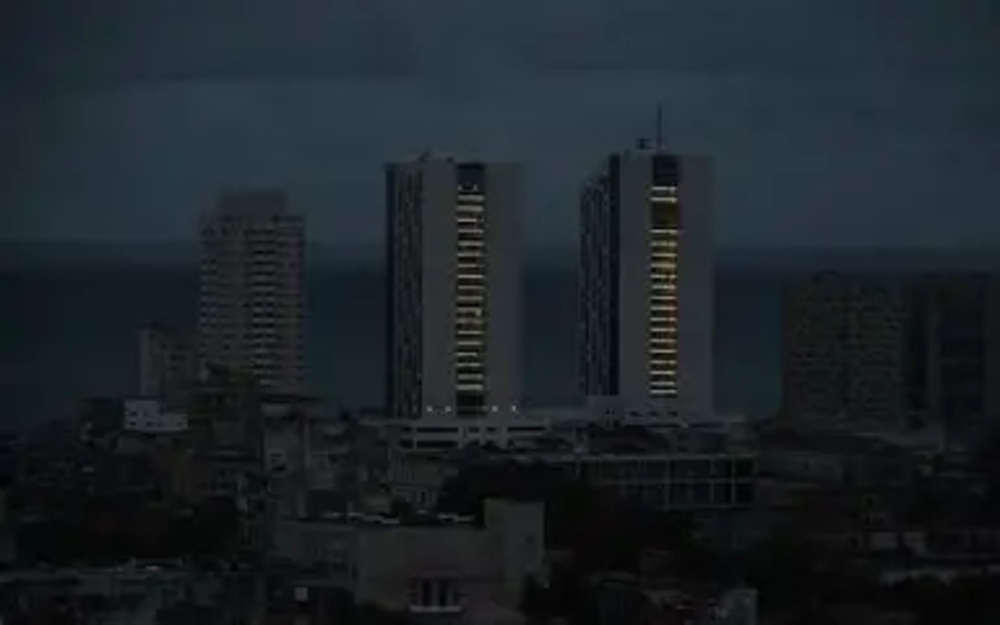
Cuba is once again grappling with a deepening energy crisis, as widespread blackouts continue to disrupt daily life across the island. The situation has intensified in recent weeks, with large parts of the country facing prolonged power outages lasting several hours a day, underscoring the fragile state of the nation’s electricity infrastructure.
Shortage of fuel
The crisis stems largely from Cuba’s aging power plants, many of which date back decades and suffer from chronic under-maintenance. Breakdowns at key thermal power stations have significantly reduced electricity generation capacity. Compounding the issue is a persistent shortage of fuel, as the country struggles to secure sufficient oil imports amid financial constraints and tightening international conditions.
The government has acknowledged the severity of the situation, attributing the outages to a combination of technical failures and fuel supply disruptions. Officials have implemented scheduled blackouts in an effort to manage the limited available power, but unplanned outages have also become increasingly common, frustrating residents and businesses alike.
Impact has been severe
For ordinary Cubans, the impact has been severe. In major cities as well as rural areas, families are coping with extreme heat without air conditioning or reliable refrigeration. Food spoilage has become a growing concern, while access to clean water is also affected in some regions due to electrically powered pumping systems. Small businesses, already under economic strain, are reporting losses as operations are repeatedly interrupted.
Hospitals and essential services are being prioritized, but even these sectors are not entirely immune to disruptions. Backup generators are in use, yet fuel shortages have raised concerns about how long these stopgap measures can be sustained if the crisis persists.
Cuba’s limited access to foreign currency
The roots of the problem also lie in broader economic challenges. Cuba’s limited access to foreign currency has made it difficult to invest in modernizing its energy grid or purchasing adequate fuel supplies. Longstanding trade restrictions and reduced support from traditional allies have further strained the country’s energy security.
In response, authorities have urged citizens to conserve electricity and have accelerated efforts to integrate renewable energy sources such as solar power into the national grid. However, experts caution that these measures will take time to yield significant results and are unlikely to provide immediate relief.
Public frustration is mounting, with social media reflecting growing discontent over the frequency and duration of the blackouts. While there have been no major nationwide protests reported recently, localized complaints and criticism are becoming more visible.
As Cuba navigates this ongoing crisis, the coming months will be critical. Without swift improvements in fuel supply or infrastructure stability, the island risks facing even more severe disruptions, particularly as seasonal demand for electricity continues to rise.
