
How the Rohith Vemula Bill Betrays Bharat’s Marginalized Hindus

Paromita Das
New Delhi, 17th July: Bharat stands at a crucial crossroad. As Bharat asserts itself as a confident, self-reliant nation, there are forces trying to drag it backwards into old trenches of identity and division. Nothing illustrates this dangerous drift better than the Congress party’s latest political stunt: the so-called Rohith Vemula Bill.
While Bharat’s youth dream of world-class universities, breakthrough research, and equal opportunities, this bill cynically reopens old wounds. Under the veil of protecting students from discrimination, Congress is pushing a scheme that cracks open the carefully crafted constitutional balance that safeguards Dalit rights — just to feed its hunger for votes in 2028.
Backdoor Reservations: A Betrayal of Dalits
At the heart of this controversy lies a betrayal so blatant it’s hard to ignore. The Constitution (Scheduled Castes) Order of 1950 was crystal clear: SC status was given to Hindus — later Sikhs and Buddhists — because these faiths historically practiced caste hierarchies. It was never meant for religions that claim equality among all believers.
Yet, by proposing reservations for Dalit Muslims and Dalit Christians under the new bill, Congress is throwing the door wide open for communities that, by definition, stepped out of Hinduism’s caste structure. This is not an act of inclusion — it’s a calculated dilution. Millions of Hindu Dalits who still bear the daily burdens of caste bias now face losing their limited opportunities to groups who rejected the very system reservations were meant to reform.
This is not upliftment — it’s appeasement politics wrapped in the cloak of social justice.
Rohith Vemula’s Name, Congress’s Opportunism
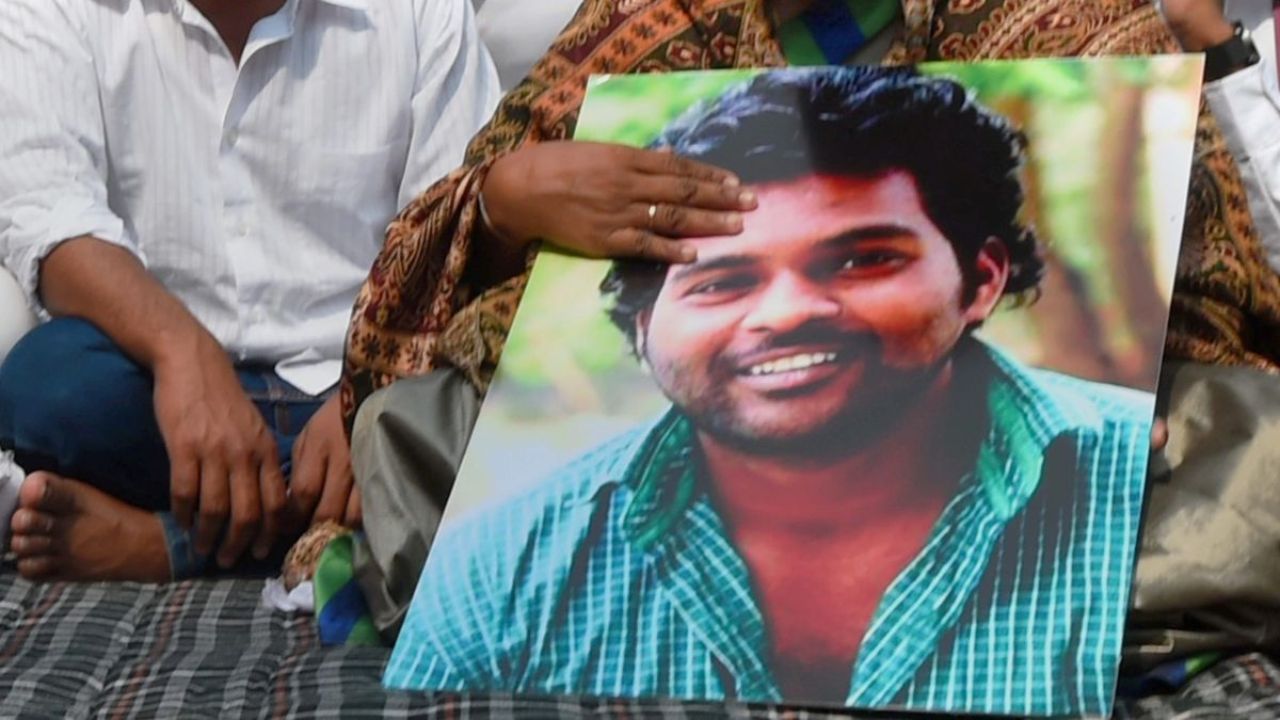
What makes this move even more distasteful is Congress’s choice to stamp Rohith Vemula’s name on it. Vemula’s tragic death shook Bharat. But the facts remain: his caste status was never conclusively proven, as multiple official reports and closure findings reveal. Yet his story is being wielded once again — this time as a political prop.
This bill does nothing to address the real reasons why students feel alienated in our campuses — lack of academic support, mental health neglect, job market uncertainties. Instead, it cynically exploits a tragedy to push a communal wedge deeper
A Dangerous Law in Disguise
Supporters argue the bill punishes discrimination. But read the fine print: loosely defined offences, harsh penalties, sweeping powers to withdraw funding from institutions — these clauses are tailor-made for misuse. Disagreement can be labelled as discrimination. Ideological opponents can be silenced under threat of jail. The bill could turn universities — meant to be sanctuaries of free thought — into battlegrounds of fear.
If this is social reform, then free speech has no place left to stand.
Bharat Deserves Better
At a time when Bharat should be investing every ounce of political energy in real upliftment — quality education, skill training, new jobs — the Congress chooses to keep us locked in old battles. Genuine Dalit communities need stronger anti-discrimination enforcement, better representation, and dignified economic opportunities. They do not need to be used as pawns in a vote-bank experiment.
Instead of rewriting the Constitution for short-term gain, our leaders should honour its spirit — protect those who have suffered centuries of injustice without distorting who they are meant to be.
The Road Ahead
As Bharat heads into another crucial election cycle, voters must see through this fog. The Rohith Vemula Bill is not about healing past wounds. It is about reopening them — and keeping them raw enough to harvest political profit.
If Bharat is to truly stand tall as a superpower of values, we must reject politics that trades our Constitution for quick votes. Dalits need justice — not backdoor quotas that insult their struggles. They deserve real empowerment — not hollow promises sold under another young man’s tragic name.
Bharat’s soul is not for sale. And the Constitution is not Congress’s personal vote-bank scheme.
