
Repeat or Reform? Congress at a Crossroads in Karnataka
Echoes of the Past: A Familiar Pattern of Infighting

Paromita Das
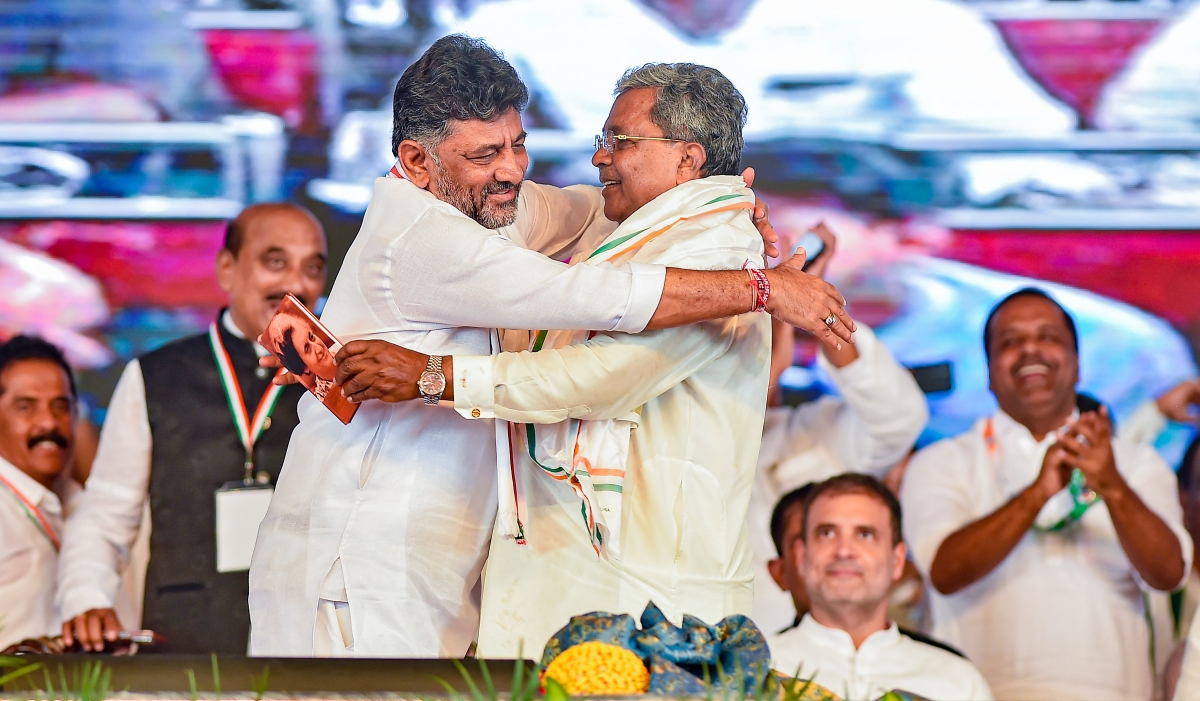
New Delhi, 28th July: As Parliament grapples with legislative chaos, far from Delhi, the Congress party is quietly lurching toward another self-inflicted wound—this time in Karnataka. The November 2025 “deadline” for the power-sharing pact between Chief Minister Siddaramaiah and Deputy CM DK Shivakumar is inching closer, stirring unrest within the state unit.
It’s a storyline painfully familiar to Congress veterans: a party brimming with electoral promise, only to sabotage itself through bitter infighting. Between 2018 and 2023, the Congress lost Madhya Pradesh, Rajasthan, Chhattisgarh, and Punjab—not due to popular discontent, but because of internal rivalry and poor leadership decisions.
From Jyotiraditya Scindia’s dramatic BJP switch in MP to the Gehlot-Pilot saga in Rajasthan, the party leadership—especially Rahul Gandhi—was often too slow, too silent, and too unsure to prevent collapses.
A Deal That Can’t Hold? The November 2025 Dilemma
When the Congress scored a comfortable win in Karnataka in May 2023, it was seen as a much-needed revival. But the unity was a fragile one. A compromise, engineered by Rahul Gandhi, allowed Siddaramaiah to continue as CM with the tacit understanding that Shivakumar would take over mid-term.
That arrangement now appears more symbolic than strategic. Siddaramaiah shows no signs of stepping down, and Shivakumar, though restrained, is growing increasingly restless. Having delivered a united campaign and consolidated the Vokkaliga vote bank, Shivakumar is not keen on waiting until 2028—nor sitting in opposition again till 2033.
Rahul Gandhi’s failure to anticipate a poor showing in the 2024 Lok Sabha elections further complicates matters. Hopes that Siddaramaiah would gain a central role have fizzled. Yet, removing a backward-class CM at this time, especially when Rahul is championing caste census and social justice, could backfire dramatically.
Why Siddaramaiah Won’t Go Easily
Caste arithmetic lies at the heart of the impasse. Siddaramaiah is not just a senior leader—he is a symbol for the backward classes. His presence balances the caste matrix in Congress-ruled states, alongside upper-caste CMs like Sukhwinder Sukhu in Himachal Pradesh and Revanth Reddy in Telangana.
Dislodging Siddaramaiah could unravel that delicate balance. Moreover, his grassroots connect and administrative experience give him leverage—something Shivakumar, despite his money power and party machinery control, is yet to fully replicate.
Kharge’s Silent Ambitions and the Delhi Dilemma
Adding another twist to the plot is Mallikarjun Kharge. The Congress president has long nurtured chief ministerial ambitions in Karnataka, thwarted multiple times by the likes of SM Krishna, Dharam Singh, and Siddaramaiah himself.
While publicly sticking to the “high command decides” line, Kharge’s camp remains hopeful. Replacing one backward-class leader with a Dalit CM might be electorally more palatable. But would Sonia, Rahul, and Priyanka Gandhi risk sending Kharge to Bengaluru? Unlikely.
Still, Kharge’s presence adds awkwardness. As party president, he cannot be seen maneuvering for power in his home state, yet his quiet lobbying fuels speculation.
Shivakumar’s Patience Wears Thin
For now, Shivakumar remains loyal. There are no signs—yet—of a Scindia-style defection. But Delhi’s indecision is testing his patience. Constant feelers from other quarters in national politics only add to the intrigue. If history is any indicator, prolonged delay breeds rebellion.
Betting Big on Bihar
The Congress leadership is watching Bihar closely. If the mahagathbandhan edges past the NDA in the upcoming assembly elections, it could provide Rahul with a much-needed boost to reset leadership equations, including in Karnataka. A poor performance, however, may further diminish his authority—sending tremors not just in Bengaluru, but in Himachal and Jharkhand, too.
The 2018 Ghosts Still Haunt
This isn’t Rahul Gandhi’s first brush with difficult CM choices. In 2018, his efforts to play “democrat” in Madhya Pradesh and Chhattisgarh backfired. Scindia’s exit toppled the MP government in under 15 months. In Chhattisgarh, multiple contenders led to a near mutiny. Baghel’s name was cleared, but with an informal promise to rotate power—a promise that led to years of internal strife until the party was voted out.
Those unresolved stories still cast a long shadow.
The Cost of Indecision and Dynasty Overload
Rahul Gandhi’s political instincts often veer between noble intentions and flawed execution. His commitment to social justice, democratic consensus, and representation is commendable—but when not backed by timely decisions, it breeds chaos.
Congress cannot afford another state-level implosion. The Karnataka situation demands leadership, not symbolism. Shivakumar, Siddaramaiah, or even a third consensus candidate—whatever the choice—it must be made decisively.
The era of soft compromise is over. Regional satraps need clarity, not kind-hearted indecision.
Karnataka May Be the Next Domino to Fall
Karnataka was meant to be the Congress revival story. Instead, it now risks becoming another case study in political self-sabotage. As the power-sharing deadline nears, Rahul Gandhi must act.
History shows that when he delays, the consequences are irreversible. Karnataka cannot be allowed to go the way of Madhya Pradesh or Punjab. Congress is running out of time—and more dangerously, out of leaders who still believe the high command can lead.
