

Poonam Sharma
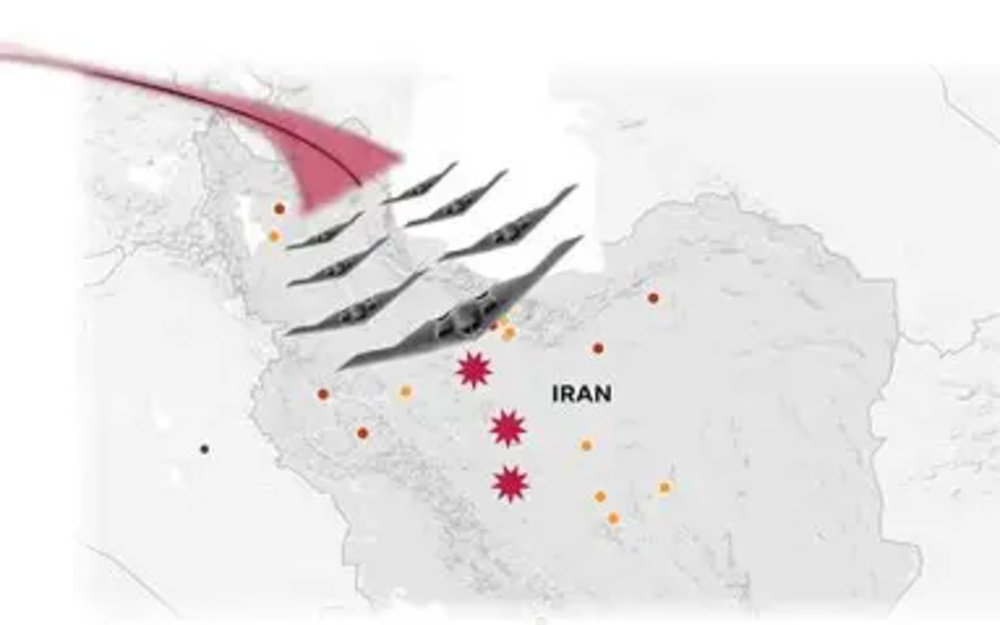
The world watched in collective shock on February 28, 2026, as the geopolitical landscape shifted overnight. “Operation Epic Fury,” a massive joint military strike by the United States and Israel, shattered the fragile peace in the Middle East, raining missiles down on Iranian soil. In the weeks that followed, as the smoke cleared over Tehran and the casualty list grew to include Supreme Leader Ali Khamenei, a haunting question began to echo through the halls of power: Where is Beijing?
For years, Iran has been touted as a “comprehensive strategic partner” to China—a key node in the Belt and Road Initiative and a proud new member of the BRICS alliance. Yet, as Iran fights what many analysts describe as its “last stand,” the Dragon’s fire has been conspicuously absent, replaced by a cold, calculated silence.
A Muted Response to Maximum Pressure
In the immediate aftermath of the strikes, the Chinese Ministry of Foreign Affairs appeared to be operating in a different reality. While Iranian infrastructure crumbled, Beijing’s initial briefings focused on routine business. It took public pressure from Iranian journalists for spokesperson Mao Ning to offer a “reluctant” condemnation.
Foreign Minister Wang Yi eventually stepped up the rhetoric, warning that the world was regressing to “the law of the jungle.” However, the words remained carefully hollow. China has pointedly refused to name the U.S. or Israel as the aggressor in official statements and has offered zero military hardware to bolster Iran’s dwindling defenses.
The Taiwan Trade-Off: A Red Line in the Sand
To understand China’s hesitation, one must look 5,000 miles east of Tehran. The real story isn’t happening in the Persian Gulf; it’s happening across the Taiwan Strait.
Just weeks before the first bombs fell, a high-stakes phone call took place between Presidents Xi Jinping and Donald Trump. While the U.S. readout mentioned Iran, the Chinese version was laser-focused on one thing: Taiwan. In a world where the U.S. is retreating toward a “Donroe Doctrine” (an isolationist pivot to the Western Hemisphere), Beijing sees a golden opportunity to secure its core interests.
The “deal” is becoming increasingly transparent. Following the call, the Trump administration delayed a multi-billion dollar arms sale to Taiwan. In exchange, it appears China has agreed to look the other way while Washington settles its old scores with Tehran. For President Xi, the sovereignty of Taiwan is a “red line”; the survival of the Iranian clergy, it seems, is a negotiable variable.
Energy Security vs. Strategic Ambition
Critics argue that China is playing a dangerous game. Iran provides nearly 15% of China’s oil imports, and the closure of the Strait of Hormuz usually sends shockwaves through Beijing’s economy. However, China is no longer the vulnerable importer it once was.
Having spent years amassing a gargantuan strategic petroleum reserve, Beijing is positioned to weather a short-term supply shock of up to four months. Furthermore, Chinese strategists are playing the long game. They calculate that whether the current Iranian government stands or falls, any successor—even a pro-Western one—will still need to sell oil. As the world’s largest energy consumer, China remains Iran’s only “customer of last resort.”
The Reality of “Might Makes Right”
The irony is not lost on international observers. Beijing has spent the last decade positioning itself as the “moral alternative” to Western hegemony, championing a multi-polar world where sovereignty is sacrosanct. Yet, by standing idle while a strategic partner is dismantled, China is inadvertently validating the very “law of the jungle” it claims to despise.
As Donald Trump seeks an “off-ramp” for the conflict and Iran’s missile stockpiles hit critical lows, the lesson for the Middle East is clear: China’s friendship has limits. When the Dragon is forced to choose between a distant ally and its own backyard, the backyard wins every time.
