
CAQM Forms Expert Panel to Curb Vehicular Pollution in Delhi-NCR
Committee tasked with drafting roadmap to cut emissions, strengthen clean mobility policies

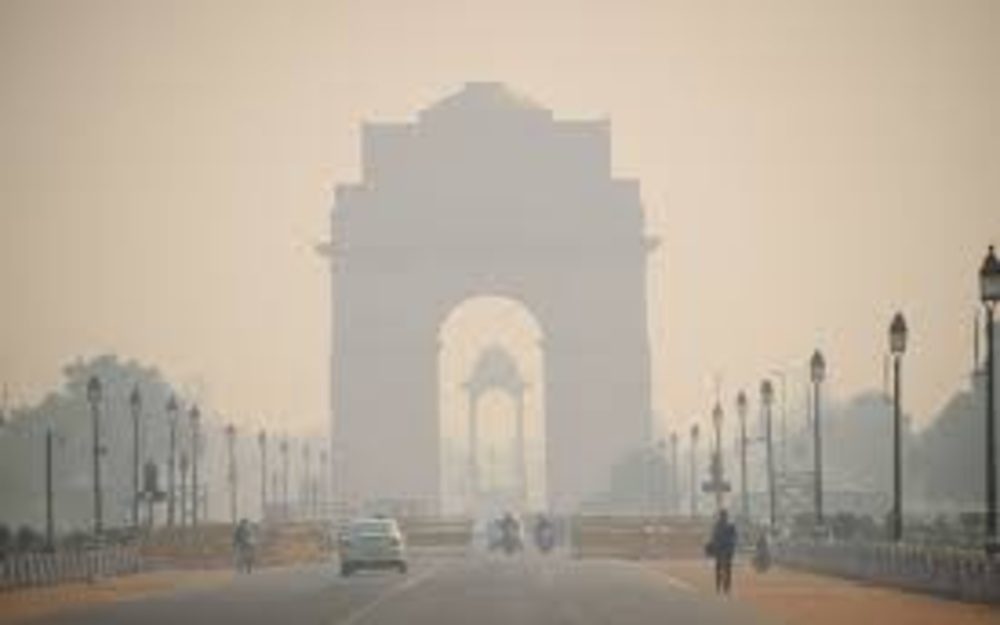
- CAQM sets up an Expert Committee to combat rising vehicular emissions in Delhi-NCR.
- Panel includes top scientists, health experts and senior officials from key ministries.
- Committee will assess policies, emission sources and EV transition requirements.
- Recommendations due in two months; first meeting scheduled for December 15.
GG News Bureau
New Delhi, 13th Dec: Vehicular emissions—one of the biggest contributors to Delhi-NCR’s toxic air—have prompted the Commission for Air Quality Management (CAQM) to constitute a high-level Expert Committee to develop a comprehensive strategy for reducing pollution from road transport. The move comes amid growing public health concerns caused by elevated levels of PM2.5, NOx, CO and volatile organic compounds.
The committee, announced on Friday, brings together leading academicians, medical experts, automotive research institutions and senior government representatives. It will prepare a multi-pronged roadmap aimed at cutting vehicular emissions and improving air quality in the region.
Expert Committee Composition
The panel will be chaired by Prof. Ashok Jhunjhunwala of IIT Madras, with former AIIMS Delhi Director Dr. Randeep Guleria as co-chair. Members include experts from IIT Kanpur, IIT Delhi, the Lung Care Foundation, NITI Aayog, ARAI, ICAT, CEEW, CSE, TERI, as well as representatives from the Ministries of Road Transport and Heavy Industries.
CAQM’s Member Technical, Dr. Virinder Sharma, will act as convener.
Committee Mandate
According to CAQM, the committee will:
- Review existing clean mobility policies, emission norms, fuel-efficiency standards and electric mobility initiatives.
- Assess segment-wise contributions to vehicular pollution and exposure risks.
- Recommend regulatory measures for reducing emissions across vehicle categories.
- Examine technological readiness, infrastructure needs, cost implications and incentives for accelerating EV adoption.
- Suggest any additional strategies required to achieve sustained emission reductions.
The committee has been directed to submit its recommendations within two months, with the option to present interim findings. Stakeholder consultations may be held as part of the process, and additional experts can be co-opted if needed.
The panel’s first meeting will take place on December 15, 2025.
CAQM stated that the initiative aims to strengthen evidence-based policy action to tackle Delhi-NCR’s air pollution crisis and safeguard public health, especially as vehicular emissions continue to pose a persistent challenge.
