
Calls Grow Against ‘Elite Hijacking’ of Judiciary
Concerns raised over limited appeal options and prolonged hearings for selective PILs

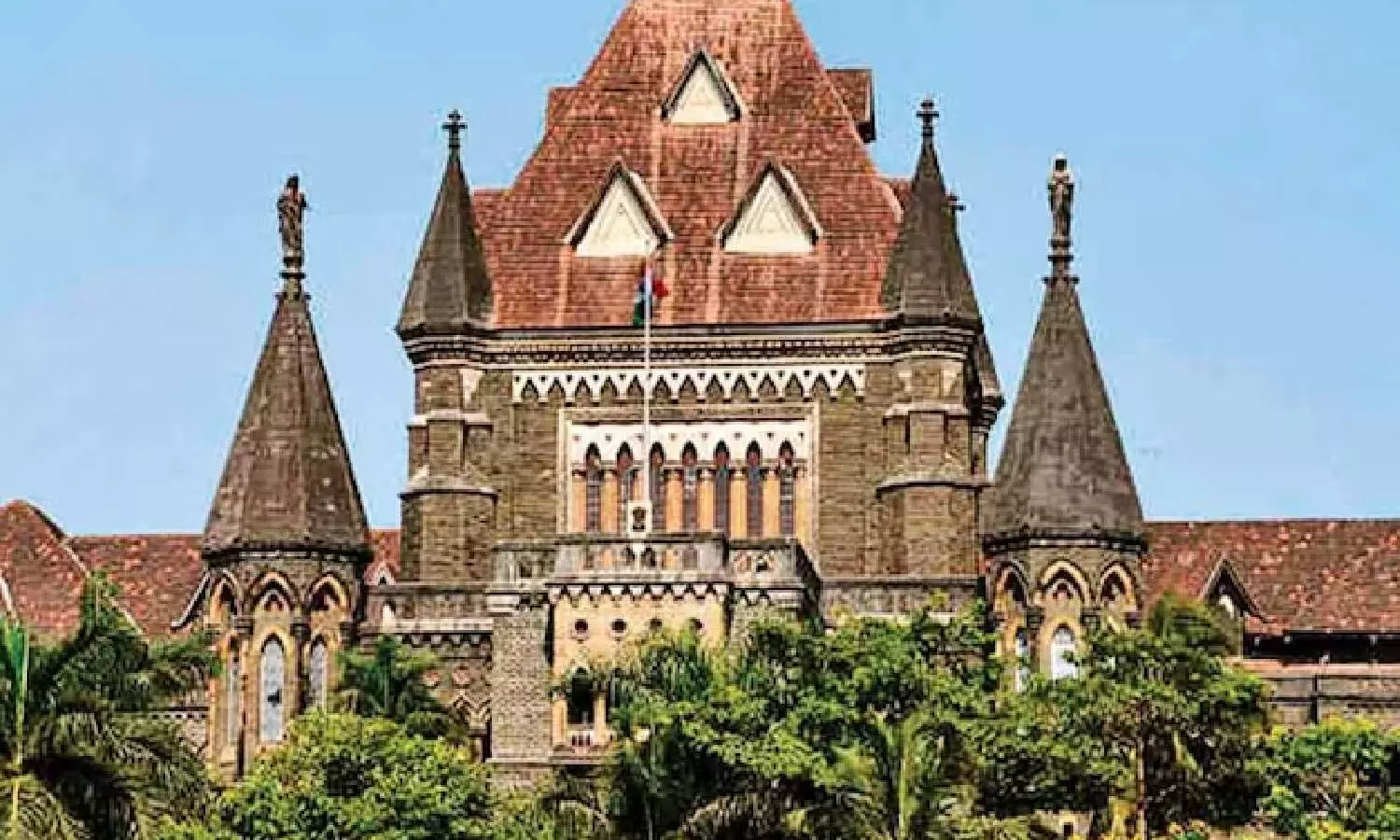
- Lawyers flag absence of intra-court appeal for writ matters in Bombay High Court.
- Only legal remedy is an SLP under Article 136, often dismissed within minutes.
- PILs on non-justiciable matters reportedly receive disproportionate court time.
- Critics warn judiciary is being diverted by influential lobbies at the cost of common litigants.
GG News Bureau
Mumbai, 2nd Dec: Concerns over access to justice resurfaced on Tuesday after lawyers and legal observers highlighted the constraints faced by litigants in writ matters before the Bombay High Court, while alleging that influential lobbies are monopolising judicial time through selective Public Interest Litigations (PILs).
Writ petitions in the Bombay High Court are heard exclusively by a Division Bench, with no provision for an intra-court appeal. Litigants denied relief have only one legal remedy — a Special Leave Petition (SLP) before the Supreme Court under Article 136. However, many practitioners say SLPs are routinely dismissed within minutes, often described as being decided in “93 seconds”, owing to the apex court’s severe time constraints.
In contrast, PILs raising non-justiciable or policy-driven issues are frequently taken up for prolonged hearings. Lawyers allege that such petitions, often backed by well-organised interest groups, receive days of judicial attention, overshadowing the urgent grievances of ordinary litigants waiting for timely adjudication.
According to them, such PILs not only stretch limited judicial resources but also trigger demands for larger or Constitution Benches, further delaying the resolution of regular cases. This, they argue, reflects a growing trend where “elite-driven” petitions dominate court schedules.
The criticism adds to the ongoing debate about judicial prioritisation, pendency, and the need for reforms to safeguard accessibility. Legal voices are now calling for a broader discussion on restoring balance in judicial functioning and ensuring that the system does not become vulnerable to pressure from influential circles.
As the discourse intensifies, many within the legal fraternity stress the need to protect the courts from what they describe as the “hijacking” of judicial processes, while ensuring that ordinary litigants — the backbone of the justice system — are not pushed to the margins.
