
Bird Flu Alert: TN Tightens Kerala Border Checks
Live poultry movement banned in Nilgiris as surveillance intensified

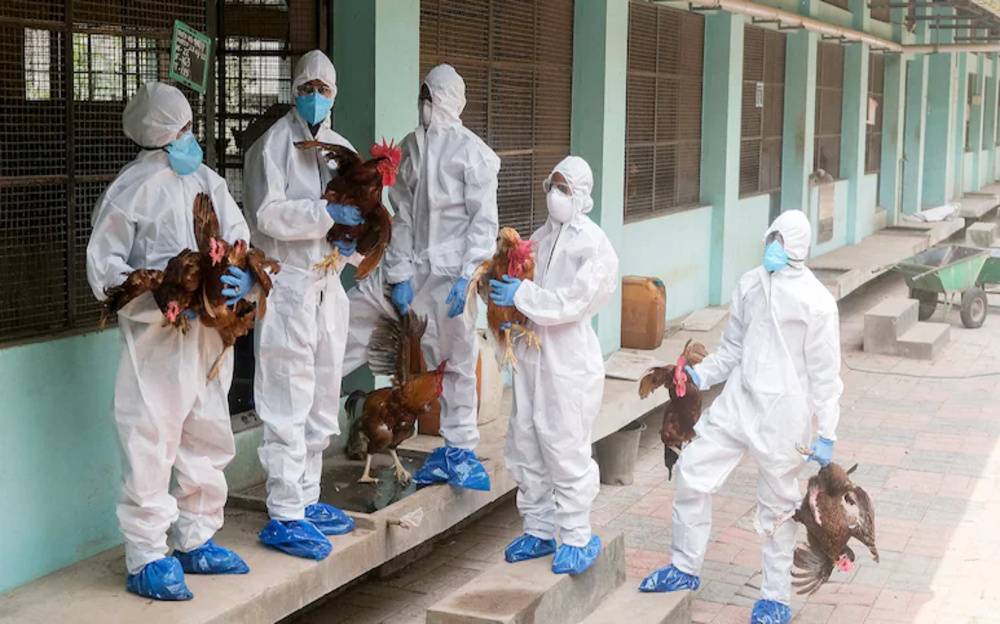
- Avian influenza cases rise in parts of Kerala
- Tamil Nadu steps up border surveillance in Nilgiris and Coimbatore
- Movement of poultry, eggs and waste banned from Kerala
- Special veterinary teams deployed at border check posts
GG News Bureau
Chennai, 1st Jan: With a rise in avian influenza (bird flu) cases reported in Kerala’s Alappuzha and Kottayam districts, Tamil Nadu has stepped up surveillance along its border districts to prevent the disease from spreading into the state.
Enhanced monitoring has been put in place in Nilgiris and Coimbatore, which share long and porous borders with Kerala. Acting on the directions of the Animal Husbandry Department, special preventive measures are being implemented under the supervision of Joint Director Dr Balakrishnan.
Nilgiris District Collector Lakshmi Bhavya said the transportation of live poultry, eggs, poultry waste and related products from Kerala has been temporarily banned in the district as a precautionary measure.
Check posts have been set up in Gudalur and Panthalur taluks of Nilgiris to closely monitor the movement of poultry and related materials. In addition, special surveillance teams have been deployed at eight check posts along the Kerala border and one along the Karnataka border.
Each team comprises a veterinary assistant, a veterinary inspector and a livestock maintenance assistant, working in coordination with the police, forest and revenue departments to ensure strict enforcement.
Officials warned that avian influenza can affect domestic birds such as chickens, ducks and turkeys, and can also spread through wild and migratory birds. There is also a risk of transmission to humans, making early detection and prevention critical.
Poultry farmers have been advised to strengthen biosecurity by preventing wild birds from entering farms, avoiding the rearing of multiple bird species together, restricting outsider and vehicle entry, and disinfecting farm equipment at least twice a month.
Farmers have also been urged to immediately report any unusual illness or sudden deaths among birds to nearby veterinary offices to enable swift containment measures.
