
Bharat Resumes China Tourist Visas After 5-Year Freeze
From Border Tensions to Border Crossings — Bharat’s Visa U-Turn Signals a Calculated Reboot in Sino-Bharatiya Ties

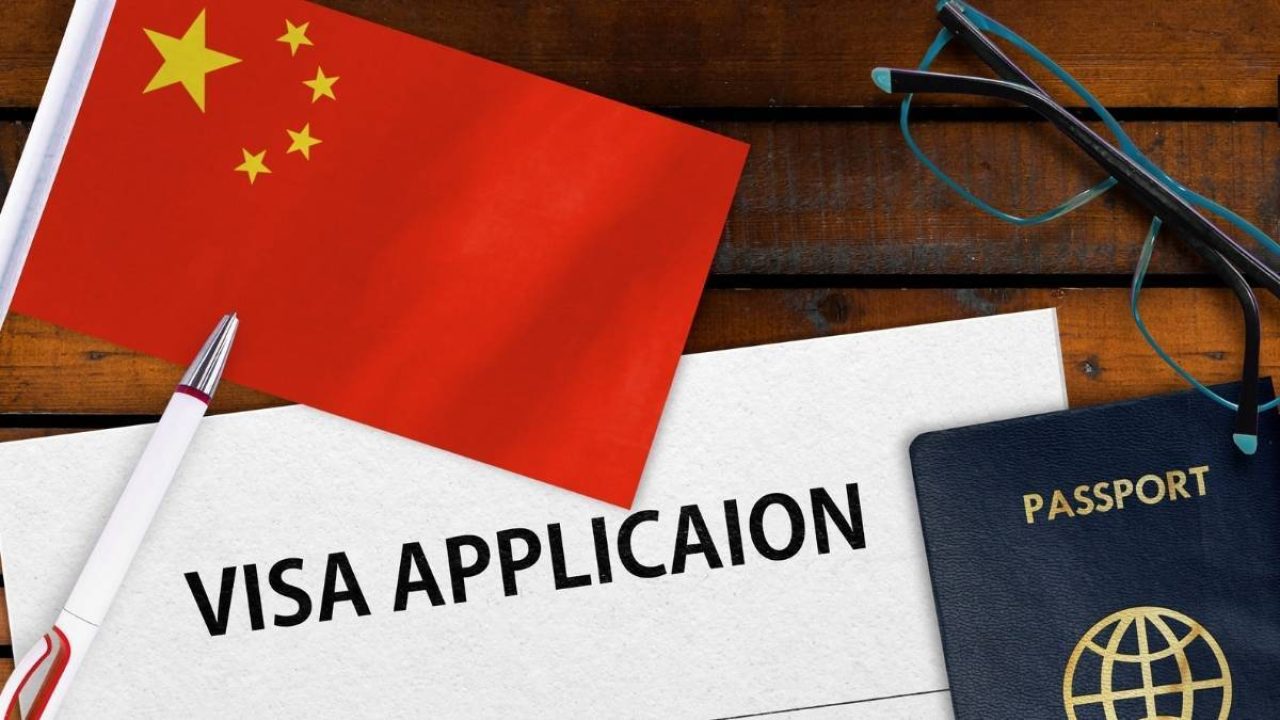
- Bharat Ends 5-Year Visa Freeze for Chinese Tourists
- Galwan Clash to Visa Thaw: A Diplomatic Turning Point
- Flights, Pilgrimage, and Visas Signal Strategic Softening
- Not Trust, But Trial: A Measured Step Toward Engagement
Paromita Das
New Delhi, 25th July:
In international diplomacy, few gestures speak louder than a reopened border. And on July 24, 2025, Bharat took such a step—quiet yet loaded with implications. After nearly five years of diplomatic frost, stemming from the deadly 2020 Galwan Valley clash, New Delhi has decided to once again allow tourist visas for Chinese nationals.
On the surface, the decision might seem routine—an update posted on Weibo by the Bharatiya Embassy in Beijing, instructions to fill out an online form, book appointments, and show up at a visa centre. But beneath the bureaucratic language lies something deeper: a slow, deliberate warming of one of Asia’s most complex relationships.
From Standoff to Subtle Signals
The aftermath of the Galwan incident wasn’t just a border issue—it was an emotional fracture between two giant neighbors. National outrage in Bharat prompted the banning of Chinese apps and a freeze in travel exchanges. Even as pandemic-related restrictions eased for other nations, China remained on Bharat’s diplomatic blacklist.

New Delhi’s refusal to lift the visa suspension for Chinese citizens—long after doing so for others—wasn’t just policy; it was principle. The Chinese government’s delayed response in allowing over 22,000 Bharatiya students back into their universities only deepened the distrust.
For years, the borders stayed sealed, not because of health concerns, but because of geopolitical wounds.
Shifts on the Strategic Chessboard
Fast forward to 2025, and the atmosphere has subtly shifted. Not dramatically, not with handshakes and headlines, but with smaller, strategic cues. Disengagement at Depsang and Demchok, the return of direct flights, and diplomatic overtures like the SCO Summit have gently nudged relations out of deep freeze.

Bharat’s decision to revive the Kailash Mansarovar Yatra—a culturally significant route through Chinese territory—was an early sign of warming intentions. Followed by visits from top diplomats, it created a space for cautious optimism.
The tourist visa move is the next, logical—though tentative—step.
A Gesture Measured in Millimeters
Let’s be clear: this isn’t a reconciliation. It’s not even a thaw. It’s a strategic pause, a way for Bharat to send a message without committing too much.
Bharat remains acutely aware of Chinese military developments along the border. Suspicion lingers over Beijing’s growing closeness with Islamabad, its influence in the Indo-Pacific, and its economic entanglements in South Asia.

In this context, reopening tourist visas is a signal of maturity, not surrender. It says Bharat is ready to engage—selectively, cautiously, and only where the stakes align with its interests.
Diplomacy in Small Doses Works Best Here
This isn’t a moment for grandiose declarations. The Bharatiya government is smart to avoid theatrics. Trust in international relations is a fragile thing, especially between giants with long-standing rivalries. What works is quiet calibration, not dramatic reset buttons.
By keeping the door slightly ajar through tourism—Bharat plays the long game. It’s a test of intent, not a treaty. If China reciprocates, perhaps with better treatment of Bharatiya students or easing barriers to Bharatiya companies, then more pathways can open. If not, the door can easily close again.
This strategy isn’t just good diplomacy—it’s good politics.
More Than a Visa Policy—A Geopolitical Message
Tourist visas may seem small in the world of geopolitics, but they’re powerful tools of soft power. Bharat’s move speaks volumes to global observers: it’s not afraid to engage, but it’s not naive either.
In a world increasingly divided into multipolar alliances, Bharat’s balancing act becomes more important. It’s no longer just a neighbor of China—it’s a strategic voice that bridges the East-West divide. Visa diplomacy, in this light, becomes one of many levers Bharat can use to maintain influence and flexibility.
And let’s not forget the economic angle. China is the world’s largest outbound travel market. Reopening this door gives Bharat a chance to draw tourist revenue, rebuild cultural bridges, and ease post-pandemic pressures on its travel industry.
Dialogue Over Deadlock
Bharat’s decision to resume tourist visas for Chinese citizens is neither sudden nor sentimental—it’s calculated. It recognizes that ignoring a powerful neighbor won’t make tensions disappear. Nor will full embrace solve core differences overnight.
But by choosing engagement, Bharat signals a preference for dialogue over deadlock, even if that dialogue starts at airport terminals and visa centres rather than summit tables.
What happens next is uncertain. The real breakthroughs may come slowly—or not at all. But in a region often defined by rivalry and rhetoric, even a small step toward connection is worth noting.
