
Bharat-China Rift Widens: Jairam Ramesh Hits Back at Jaishankar

Paromita Das
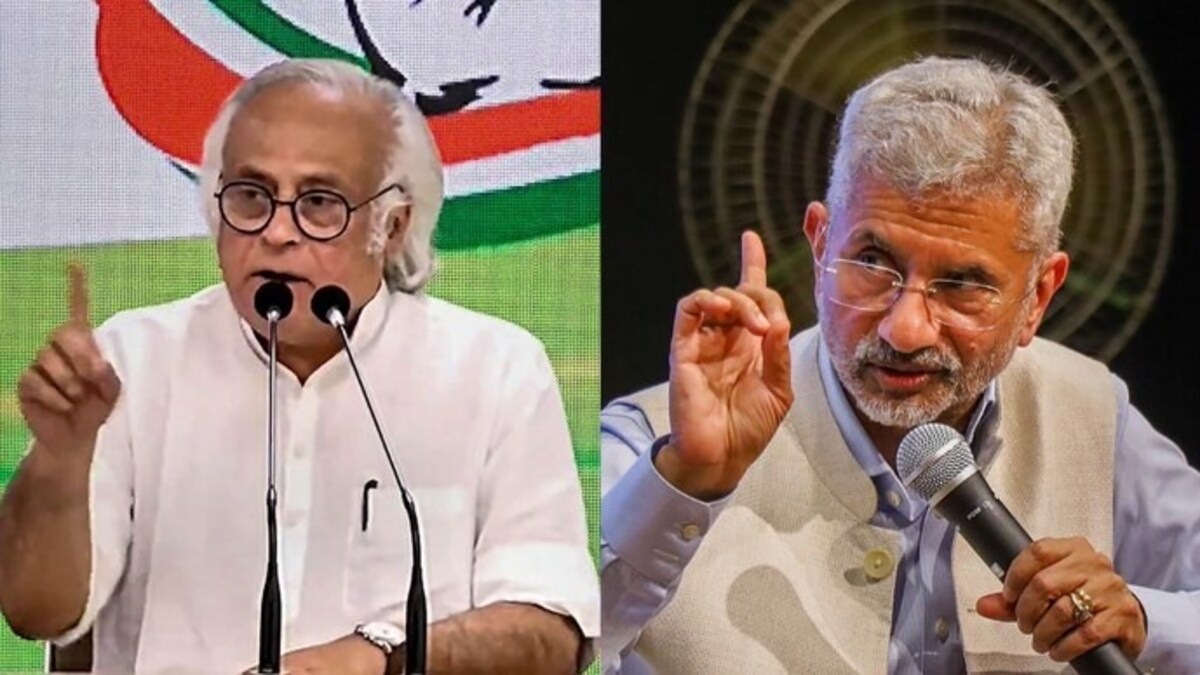
New Delhi, 16th July: In an age where one statement can shift diplomatic undercurrents, the latest war of words between Bharat’s government and its Opposition shows just how delicately balanced the Bharat–China equation remains. On a humid July morning, as External Affairs Minister S. Jaishankar stood in Beijing’s polished halls, greeting Chinese President Xi Jinping and expressing hope for steadily warming ties, a sharp retort was already brewing back home.
Stepping into the spotlight was Congress veteran Jairam Ramesh, who wasted no time in pouring cold water over Jaishankar’s optimistic note on Bharat-China relations. For Ramesh, this talk of ‘normalization’ was not just misplaced — it masked uncomfortable truths about border realities, trade dependencies, and Beijing’s alleged covert support to Islamabad during Operation Sindoor, Bharat’s recent counter-strike against Pakistan.
Two Narratives, One Uneasy Border
Days after Jaishankar’s warm words in Beijing, Ramesh’s statement cut through the diplomatic pleasantries. Quoting Defence officials, the Congress MP alleged that during Operation Sindoor, China had supplied real-time intelligence and turned Pakistan’s soil into a testing lab for its own high-tech military hardware — from the J-10C fighter jets to next-generation drones and missiles.
To Ramesh, Jaishankar’s comment that ties have “steadily improved” since the Kazan Summit last year is a gloss over the harsh reality that Bharatiya patrols still need Chinese concurrence to reach their own patrolling points in Depsang, Demchok, and Chumar. He reminded the nation that buffer zones in Galwan, Hot Springs, and Pangong Tso still cut deep into Bharat’s claim lines, fencing Bharatiya soldiers out of land they once freely walked.
A Stubborn Trade Imbalance
Beyond the barbed wire of Ladakh and Arunachal Pradesh lies an equally thorny battleground — trade. Ramesh flagged China’s tightening grip on the supply of critical raw materials like rare-earth magnets, tunnel-boring equipment, and specialty fertilizers — commodities that power Bharat’s infrastructure dreams and digital ambitions.
With Bharat’s telecom, electronics, and pharmaceuticals sectors still leaning heavily on Chinese imports, the Congress leader warned that the trade deficit — already ballooning to a record $99.2 billion — risks turning Bharat’s self-reliance mantra into a hollow echo.
He pointed to Apple’s manufacturing ambitions in Bharat, already jolted by Chinese workers departing Foxconn facilities, and argued that without a plan to break these deep dependencies, no handshake in Beijing could deliver true strategic autonomy.
Operation Sindoor: The Unspoken Adversary
The sting in Ramesh’s critique lay in the uncomfortable reminder that Bharat may have fought three adversaries in Operation Sindoor — Pakistan, its terror proxies, and China lurking in the wings, feeding live intelligence across the border.
He invoked Deputy Army Chief Lt. Gen. Rahul R. Singh’s words that the battlefield in Kashmir was also a playground for China’s network-centric warfare tests — from stealth jets to precision missiles — aimed as much at Bharat’s resolve as at its soil.
For Ramesh, Jaishankar’s steady reassurance sounded hollow when weighed against Chinese drones in Pakistani skies and stealth fighters that may soon carry Beijing’s flag into Islamabad’s hangars.
The Need for Candour in the House
Ramesh’s broadside is not just an Opposition swipe — it reflects an old but fair question: should Bharat’s Parliament debate China more openly? When the Himalayas shook under the boots of invading Chinese soldiers in 1962, Parliament met under the shadow of war. Today, with lines blurred in Ladakh, trade ties tangled in supply chains, and a neighbour that wields both cheque books and stealth bombers, why not discuss it with the same urgency?
Jaishankar’s faith in backchannel calm and summit smiles may hold merit in diplomacy’s private corridors. But democracy demands daylight too. Bharat’s citizens deserve to know if warming ties come at the cost of military disadvantage or economic leverage.
Between Hope and Hard Truths
The External Affairs Minister’s visit to Beijing, with polite courtesies extended to Xi Jinping, shows Bharat’s readiness to keep doors open — a mature approach for two neighbours whose destinies are entangled by rivers, trade routes, and contested ridgelines.
But the Congress’s sharp reminder is equally valid. For all the bonhomie, Bharat must guard against any illusion that old fault lines have faded. As the Monsoon Session nears, Parliament will do well to honour what democracy promises best: a frank reckoning with the facts — uncomfortable as they may be.
For Bharat’s sake, ties must improve — but not blindly. Real trust cannot be built on blurred maps and closed debates. It must stand on the unshakeable rock of truth told plainly, from the Prime Minister’s office to the last bench in the Lok Sabha.
