
Bhai Dooj 2025: A Day When Love Wears the Tilak of Protection
“Where a sister’s tilak becomes a blessing, and a brother’s promise becomes her lifelong shield.”

Paromita Das
New Delhi, 23rd October: Bharat’s festivals are not mere rituals—they are living stories, breathing through generations, binding families, and enriching the nation’s emotional tapestry. Amid the dazzling lights of Diwali and the echoes of celebration, one festival stands apart for its quiet intensity—Bhai Dooj.
It’s a day when affection transcends the material. A day when a sister’s prayer and a brother’s promise merge into a bond both sacred and unbreakable.
In 2025, Bhai Dooj will be celebrated on October 23, just two days after Deepawali, bringing warmth and unity to homes across Bharat. Known by many names—Bhaiya Dooj in North India, Bhau Beej in Maharashtra, and Bhatru Dwitiya in the South—the festival falls on the Dwitiya Tithi (second day) of the Shukla Paksha in the lunar month of Kartik. The name itself is meaningful: “Bhai” means brother, and “Dooj” refers to the second day after the new moon. Together, they signify a day devoted entirely to brothers—a day of love, trust, and protection.
More Than Rituals: The Soul of Bhai Dooj

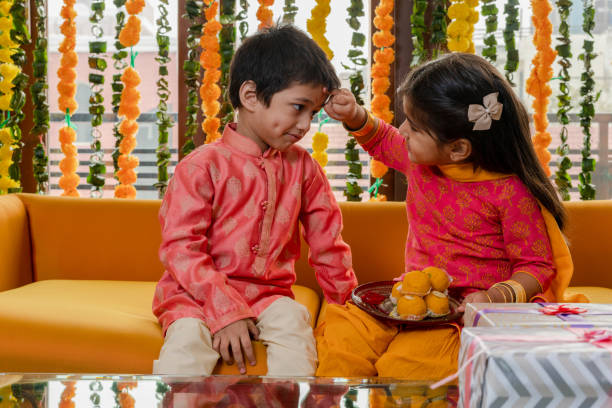
Bhai Dooj, like Raksha Bandhan, celebrates the deep emotional bond between siblings—but in its own unique way. While Raksha Bandhan centers around the rakhi, Bhai Dooj focuses on the tilak ceremony. Here, the sister applies a vermilion mark on her brother’s forehead, performs aarti, and prays for his long life and prosperity. The brother, in return, blesses her and offers gifts as tokens of affection and gratitude.
This simple act carries a profound message. It’s a renewal of faith, a reaffirmation of family, and a reflection of the compassion that anchors Bharatiya values. The tilak becomes more than a mark—it becomes a symbol of the heart’s purest emotions.
Legends that Illuminate the Festival

Every Bharatiya festival has a story that mirrors its soul, and Bhai Dooj is no exception. Two ancient legends—rich in love and devotion—capture the festival’s essence.
The first is the tale of Yamraj and Yamuna. According to Hindu mythology, Yamuna, the river goddess, often invited her brother Yamraj, the God of Death, to her home. Busy with his celestial duties, he could never visit. Finally, on the second day of the bright fortnight of Kartik, Yamraj arrived. Overjoyed, Yamuna welcomed him with flowers, sweets, and affection. She applied a tilak on his forehead, performed aarti, and prayed for his happiness and long life.
Moved by her love, Yamraj declared that any brother who visits his sister on this day and receives a tilak would be blessed with long life and prosperity. From that day forward, Bhai Dooj became a festival celebrating the sacred love between siblings—a love even death must honor.
Another beloved legend connects Bhai Dooj to Lord Krishna and his sister Subhadra. After Krishna’s victory over the demon Narakasura, he returned home. Subhadra welcomed him with open arms, applying a tilak of sandalwood and vermilion to his forehead and performing aarti to protect him from evil. This act of love and care became a timeless symbol of a sister’s blessings and a brother’s victory.
Together, these tales make Bhai Dooj not merely a day of celebration but a spiritual reminder of devotion, protection, and unconditional affection.
Rituals that Bind Hearts and Homes

As dawn breaks on October 23, 2025, homes across Bharat will glow with lamps, laughter, and love. Sisters rise early to prepare for the Bhai Dooj puja—adorning their homes with flowers, rangolis, and diyas. They begin the day by worshiping Lord Ganesha for auspicious beginnings, followed by prayers to Yamraj and Yamuna.
Then comes the heart of the festival—the tilak ritual. The brother sits on a wooden stool, while his sister prepares a thali containing vermilion (kumkum), sandalwood paste (chandan), rice grains (akshata), sweets, and a lit diya. She applies the tilak on his forehead, ties a sacred thread around his wrist, and performs aarti, praying for his safety, success, and peace.
In return, the brother blesses her and presents gifts—symbols of appreciation and love that transcend their material worth.
The celebration continues with a feast, often featuring puri, halwa, kheer, and laddoos, shared among family members as they laugh, reminisce, and strengthen their bonds.
Across Bharat, the rituals take regional hues. In Maharashtra and Goa, sisters observe Bhau Beej with similar devotion. In West Bengal, Bhai Phonta is marked by elaborate rituals and feasts, while in Southern Bharat, Bhatru Dwitiya blends tradition and devotion to honor sibling harmony.
The Spiritual Power of the Tilak

The tilak, though small, holds vast meaning. In Hindu philosophy, the forehead is home to the Ajna Chakra, the “third eye,” representing wisdom, clarity, and spiritual energy. When a sister applies the tilak, she is not just marking her brother—she is invoking divine protection, light, and positivity in his life.
The diya she lights signifies purity and the triumph of goodness, while the aarti becomes a circle of blessings—binding them in warmth and prayer. Through this ritual, she silently conveys a message of timeless love:
“May you always be safe, may your life shine bright, and may love guide your path.”
The exchange of gifts that follows is equally symbolic. It’s not about material exchange—it’s about gratitude, respect, and a shared emotional promise that no distance can weaken.
Bhai Dooj in the Modern World: Love Beyond Distance

Even through screens, the love between siblings transcends technology. The festival reminds us that relationships—like traditions—must adapt to time yet stay rooted in emotion. Whether in person or online, the feeling remains the same: a prayer whispered, a promise renewed.
A Festival that Heals and Inspires

At its heart, Bhai Dooj is more than a celebration—it’s a reminder of the emotional fabric that holds Bharatiya families together. In a world often defined by speed and self-interest, this festival revives tenderness, selflessness, and gratitude.
The beauty of Bhai Dooj lies in its simplicity: a mark on the forehead, a quiet prayer, and a heartfelt promise. Within these small gestures lies an emotion powerful enough to outlast generations. It’s not about rituals—it’s about recognizing the sacredness of connection itself.
The Light That Never Fades
As Bharat celebrates Bhai Dooj 2025, the crimson tilak on a brother’s forehead shines brighter than ever—symbolizing love, protection, and the unbreakable bond of family. In every sister’s prayer and every brother’s vow lies a timeless truth: relationships are the truest festivals of life.
Through Bhai Dooj, Bharat doesn’t just celebrate siblings—it celebrates compassion, togetherness, and the enduring light of family bonds.
