

By Anjali Sharma
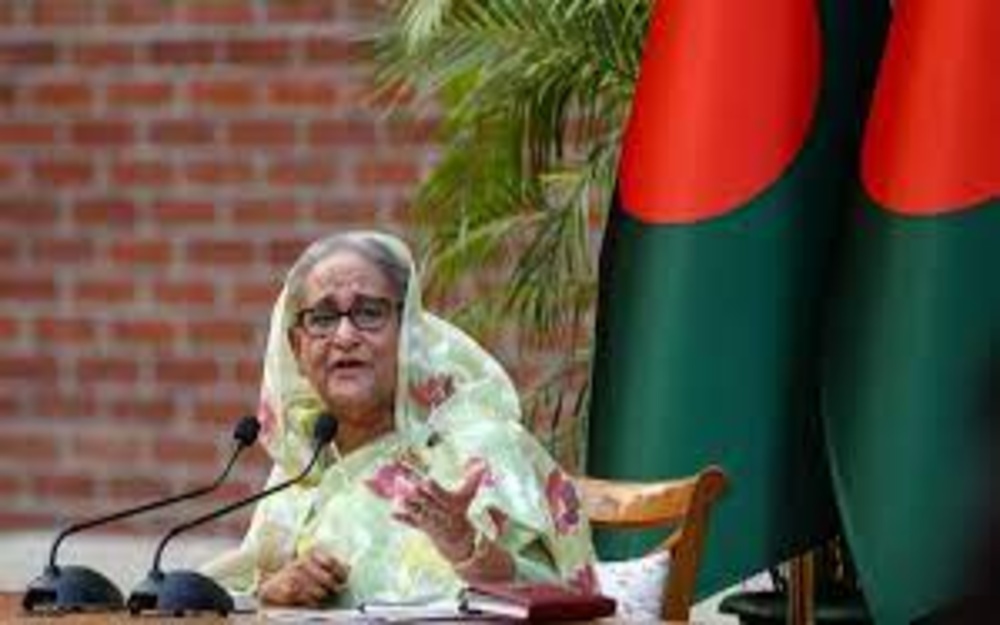
WASHINGTON – Bangladesh authorities on Sunday has tightened the security to prepare for the verdict of Sheikh Hasina, media reported.
Police patrols have increased in Dhaka and there are check posts on several major roads and public gatherings are being monitored closely. Even then, firecracker explosions were reported in a few parts of Dhaka.
Bangladesh woke up to an unusually quiet Sunday usually the streets normally buzz with traffic and conversation felt slow and tense. Shops opened late. Buses moved carefully and many people chose to stay indoors.
A sense of worry has been hanging over the country as the International Crimes Tribunal prepares to announce its verdict in a case against former Prime Minister Sheikh Hasina.
The case is linked to the violent student-led protests that shook Bangladesh between July and August 2024.
Many students had taken to the streets demanded political changes.
Clashes followed and left the nation shaken.
Sheikh Hasina has firmly rejected all accusations related to crimes against humanity in those events. But the final judgment is expected soon, and tension is rising.
Bangladesh Awami League, the party led by Hasina, has announced a 2 day nationwide shutdown.
The interim Government banned all activities of the party and its affiliates, Awami League leaders are using social media to make announcements from unknown locations.
Their online activity has become more active as the verdict approaches.
Many business leaders fear that the uncertainty could hurt the country’s economy, which is already struggling.
Quazi Moniruzzaman, former President of the Bangladesh Garments Manufacturers and Exporters Association (BGMEA). He says this moment is difficult for everyone.
“This is not a comfortable situation. People are scared. All we want is peaceful elections where citizens can vote freely,” he said.
“Right now, our business environment, social environment, even law and order, everything is in bad shape.”
Moniruzzaman, who fought in the 1971 Liberation War, spoke about the unrest ordinary citizens are facing.
He hopes that the general elections scheduled for 2026 will bring a fresh beginning.
“We want peace between neighbours, we want political stability, and we want to protect our sovereignty,” he said. “The region needs calm, and Bangladesh needs hope.”
He also highlighted the importance of Bangladesh’s long-standing relationship with India.
“India helped us in 1971. I trained there as a freedom fighter. We must keep strong ties with India, and at the same time, safeguard our own identity. India is our big neighbor, and we believe it will respect Bangladesh’s feelings and hopes.”
Moniruzzaman expressed deep concern for the garment industry, the backbone of Bangladesh’s economy. Millions of workers, especially women, depend on it for their livelihood.
“We are proud of this industry,” he said. “But buyers abroad will lose trust if there is unrest. This sector earns most of our foreign currency. If it gets damaged, the whole country will feel the shock.”
He shared a simple message about unity: “I don’t believe in calling anyone a minority or majority. We are all Bangladeshi. That should be enough.”
The current crisis began last year when massive student protests forced Sheikh Hasina’s government out of power.
On August 5, 2024, she left for India, and an interim government led by Nobel laureate Muhammad Yunus took charge.
UN report later estimated that 1,400 people might have died in the July uprising.
Hasina created the International Crimes Tribunal to investigate atrocities committed during Bangladesh’s 1971 war of independence. The same tribunal is now preparing to decide her fate.
