
Assam CM’s Reservations for Chutia Community Sparks Debate
A tweet by CM Himanta Biswa Sarma on reservations for the Chutia community has sparked a social media frenzy, prompting an explanation of the community's rich historical and cultural legacy.

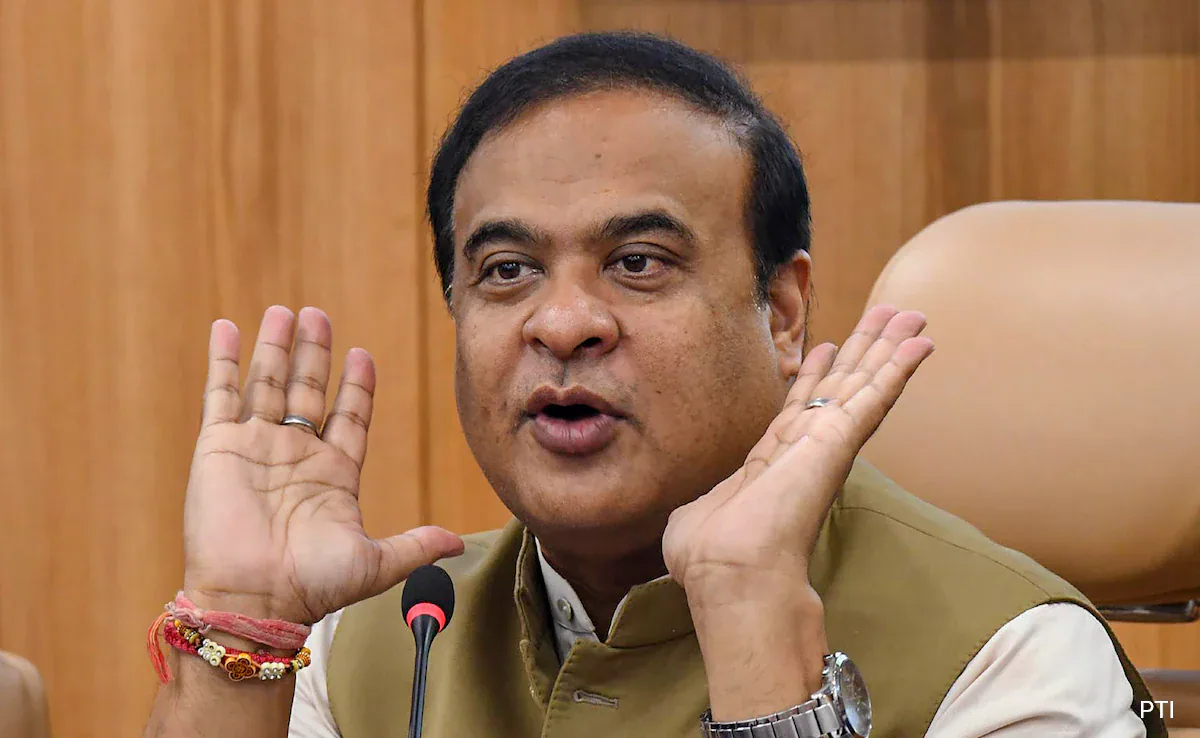
- Assam Chief Minister Himanta Biswa Sarma announced reservations for the Chutia community in state universities and engineering and polytechnic colleges.
- The announcement on ‘X’ sparked a social media debate, as many were unaware of the community’s existence and rich history.
- Historically, the Chutia community established a powerful empire in the Brahmaputra Valley from the 12th to 16th centuries and are descendants of the Sino-Tibetan family.
GG News Bureau
Guwahati, 11th Aug: A tweet by Assam Chief Minister Himanta Biswa Sarma announcing reservations for the Chutia community has become the subject of a social media debate, with many users expressing surprise over the community’s name. The announcement has brought to light the rich and ancient history of a community that is largely unknown to those outside the region.
In his post, CM Sarma stated that after decades of having their aspirations ignored, the community is now receiving their due. The government has introduced several measures, including a ₹77 crore financial assistance package, the establishment of a state university, and the installation of a statue of Virangana Sati Sadhani. The latest step is to reserve seats for Chutia students, with 18 seats in state universities, nine in polytechnics, and 32 in engineering colleges.
For the uninitiated, the Chutia or Sutiya community is an ancient tribal group in Assam with a glorious history. They are believed to be descendants of the Sino-Tibetan family from Mongolia and primarily reside in the upper Assam districts of Tinsukia, Dibrugarh, Dhemaji, and Lakhimpur. From the 12th to the 16th centuries, the community established the powerful Chutia Empire in the Brahmaputra Valley, which was renowned for its culture and agricultural prosperity.
According to historical chronicles, the community’s name is derived from the seventh-century ‘Chutia Emperor’ Assambhina. They were among the first groups to migrate to Assam from what is now southern China. The community, which is predominantly Hindu and worships various forms of Goddess Kali, has been seeking such recognition and support for their cultural and economic upliftment.
