
Alaska Summit: Trump and Putin Talk Ukraine but Deliver No Deal

Paromita Das
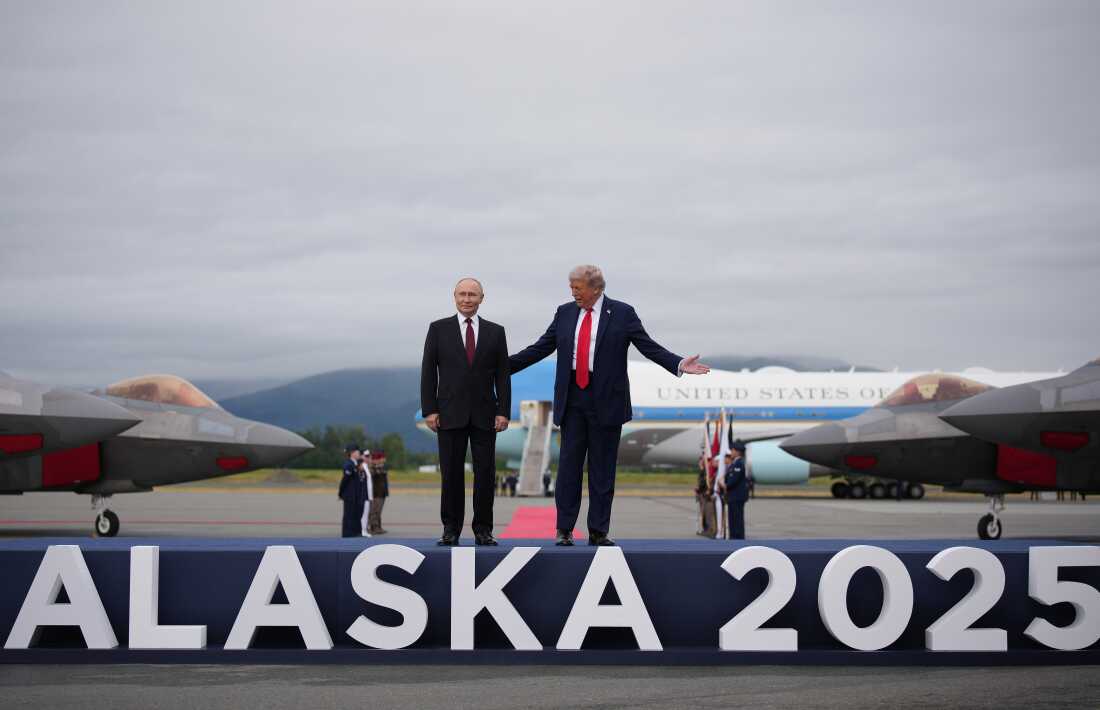
New Delhi, 18th August: When US President Donald Trump and Russian President Vladimir Putin met in Alaska, the symbolic weight was impossible to ignore. Two leaders—one heading the world’s most powerful democracy, the other commanding its fiercest nuclear rival—sat across the table for three hours to discuss one of the gravest crises of our time: the war in Ukraine.
Hopes were high. Observers expected a ceasefire announcement, a framework for peace, or at least a roadmap to de-escalation. Instead, the world got smiles, polite words, vague references to “progress”—but no actual breakthrough.
In true Trump style, the US President summed it up bluntly:
“There’s no deal until there’s a deal.”
Diplomacy or Theater?

Both leaders branded the talks “productive” and “constructive.” Putin praised Trump’s “clear vision” and even suggested a follow-up meeting in Moscow. Trump, never one to resist theatrics, did not dismiss the idea, though he admitted backlash would follow.
Yet behind the smiles, the reality was stark: no ceasefire, no binding commitments, no resolution. Putin reiterated Russia’s security concerns—long tied to demands the West considers unacceptable. Trump, meanwhile, promised to brief NATO, European allies, and Ukrainian President Volodymyr Zelensky. But briefing is not the same as bargaining.
Why Alaska Still Mattered

Despite the lack of tangible results, the Alaska summit carried weight for three reasons:
- Dialogue at the highest level: After years of icy ties, Washington and Moscow talking face-to-face is significant in itself. Silence would have been worse.
- Global stakes: The war in Ukraine is not just a European crisis. Energy stability, NATO’s credibility, and the balance of world power all hang in the balance.
- Optics: For the first time in seven years, a US President shared a press stage with Putin. That image alone sent ripples through NATO capitals, Moscow, and Kyiv.
Putin’s Calculations, Trump’s Unpredictability

Putin played his familiar role—measured, calculating, speaking of “brotherly ties” with Ukraine while sidestepping responsibility for civilian deaths. It was classic Putin: appearing reasonable while conceding nothing.
Trump, on the other hand, leaned on his dealmaker persona. He called the meeting “extremely productive” yet admitted that the “most significant point” remained unresolved. For him, the narrative of progress mattered as much as actual progress.
The Mirage of Progress

The Alaska talks highlighted diplomacy as performance art. Both leaders left claiming victory: Trump because the conversation continued, Putin because he projected equal footing with Washington.
But for Ukrainians still under bombardment, for NATO leaders balancing deterrence with diplomacy, and for global markets shaken by uncertainty, the outcome was little more than smoke and mirrors.
Trump’s remark that he “wouldn’t be happy” without a ceasefire, and Putin’s assertion that Ukraine’s security “must be ensured,” sounded promising. Yet both collapsed under scrutiny. Without concrete detail, such words are little more than headlines.
A Cold Beginning, Not a Warm Ending
The Trump-Putin meeting in Alaska may ultimately be remembered less for what it achieved and more for what it represented: a symbolic thaw in dialogue, not in conflict.
The world saw two powerful men shake hands, exchange kind words, and joke about future visits. What it did not see was a roadmap to peace.
Still, diplomacy is rarely about instant wins. Sometimes the attempt itself matters. The question is whether this “productive but incomplete” Alaska summit becomes a first step toward real negotiations—or just another photo op in the long history of great-power rivalries.
