
Air Pollution Debate Likely in Parliament Today
Rahul Gandhi calls crisis a national health emergency; Environment Minister to respond

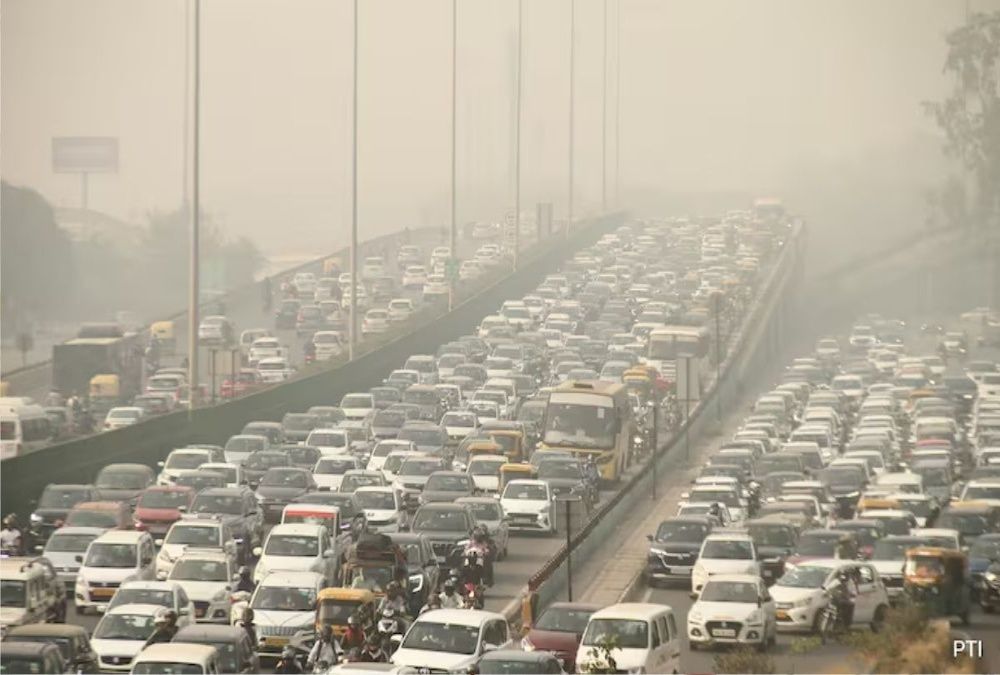
- Parliament set to debate air pollution during Winter Session
- Rahul Gandhi seeks bipartisan approach, calls pollution a health emergency
- Environment Minister Bhupender Yadav to address the House
- Govt reviews strict action plan for Delhi-NCR pollution control
GG News Bureau
New Delhi, 18th Dec: A long-pending discussion on air pollution is likely to take place in Parliament on Thursday during the ongoing Winter Session, with Union Environment Minister Bhupender Yadav expected to speak on the issue.
The debate follows a demand raised by Leader of the Opposition in the Lok Sabha Rahul Gandhi on December 12, who termed air pollution a “national health emergency” impacting millions across the country, especially children suffering from rising cases of lung-related diseases. Calling for a bipartisan approach, Gandhi urged lawmakers not to view air pollution through an ideological lens.
“Most of our major cities are living under a blanket of poisonous air,” Gandhi had said, stressing the need for a structured discussion focused on future solutions rather than political blame. Parliamentary Affairs Minister Kiren Rijiju had responded positively, assuring the House that the government was prepared for the discussion and would work with the Business Advisory Committee to allocate time.
Ahead of the proposed debate, Environment Minister Bhupender Yadav on Wednesday chaired the third high-level review meeting on air pollution mitigation in the Delhi-NCR region. The meeting focused on action plans submitted by municipal bodies in Delhi and Sonipat.
Yadav emphasised a “practical approach” to identifying pollution sources and implementing workable solutions. He underlined the need to prioritise action against major polluters while ensuring minimal inconvenience to the public. The minister advocated a ‘Whole-of-Government’ and ‘Whole-of-Society’ approach to address pollution and improve the National Capital’s global image.
Key directives issued during the meeting included a ban on construction and demolition activities without proper waste-handling infrastructure within a 10-km radius, and a prohibition on demolitions during the peak pollution months from October to December. Authorities were asked to launch immediate inspection drives across NCR with strict enforcement, while relying more on motivation and persuasion rather than excessive penalties.
Other measures include removing encroachments and illegal parking from 62 identified traffic hotspots in Delhi, planning signal-free corridors during peak hours, and restricting vehicles below BS-IV standards. The government also stressed improving last-mile public transport connectivity, particularly for residents of high-rise buildings, and accelerating waste-to-energy projects at legacy landfill sites such as Okhla, Bhalswa and Ghazipur, with a target of complete liquidation by 2026.
The meeting was attended by senior officials from the Ministry of Environment, Forest and Climate Change, the Commission for Air Quality Management (CAQM), Central Pollution Control Board (CPCB), Delhi Pollution Control Committee (DPCC) and municipal commissioners from the region.
