
AIMIM Questions Mahagathbandhan on Muslim Representation in Bihar

GG News Bureau
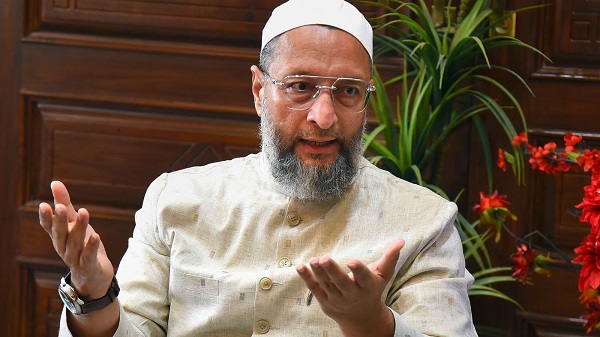
Patna/Hyderabad, 25th Oct: Bihar’s political landscape is witnessing renewed scrutiny over representation as Asaduddin Owaisi’s All India Majlis-e-Ittehadul Muslimeen (AIMIM) raises pointed questions about the Mahagathbandhan’s decision not to announce a Muslim deputy chief ministerial candidate. Muslims constitute nearly 18 per cent of Bihar’s electorate, yet the coalition’s choice of Mukesh Sahani, representing the Nishad-Mallah-Sahani community, has drawn criticism for overlooking a key demographic.
AIMIM, fielding candidates in 32 constituencies in north Bihar, particularly Seemanchal and Mithilanchal, has emerged as a provocative player. The party’s previous success in the 2020 assembly elections, winning five seats in Seemanchal, underlines its growing influence. Analysts suggest that AIMIM’s move could be aimed at consolidating Muslim votes and challenging the Mahagathbandhan’s inclusivity narrative.
Despite AIMIM’s challenge, RJD leader Tejashwi Yadav appears unfazed. In the 2020 elections, four of AIMIM’s five victorious MLAs later joined the RJD, highlighting the party’s difficulty in retaining long-term influence. Yadav’s calm reflects a nuanced understanding of voter behaviour: AIMIM thrives in constituencies where Muslims form a clear majority but struggles in mixed-demography areas.
Mahagathbandhan leaders have criticised AIMIM, suggesting it functions as a “B-team” of the BJP, strategically dividing the Muslim vote and benefiting the opposition. The debate over representation, polarisation, and minority empowerment has added new layers to Bihar’s already charged electoral politics.
As the 2025 elections approach, the AIMIM’s presence underscores the complexities of coalition politics, identity, and community representation. While Tejashwi Yadav relies on historical alliances and demographic realities to maintain his stance, the party’s interventions are forcing the Mahagathbandhan to address questions of inclusion and voter trust.
