
A Nation Held Hostage: The 2025 US Government Shutdown
"From Locked Federal Offices to Millions of Unpaid Workers: How Political Deadlock Has Paralyzed the US Economy"

Paromita Das
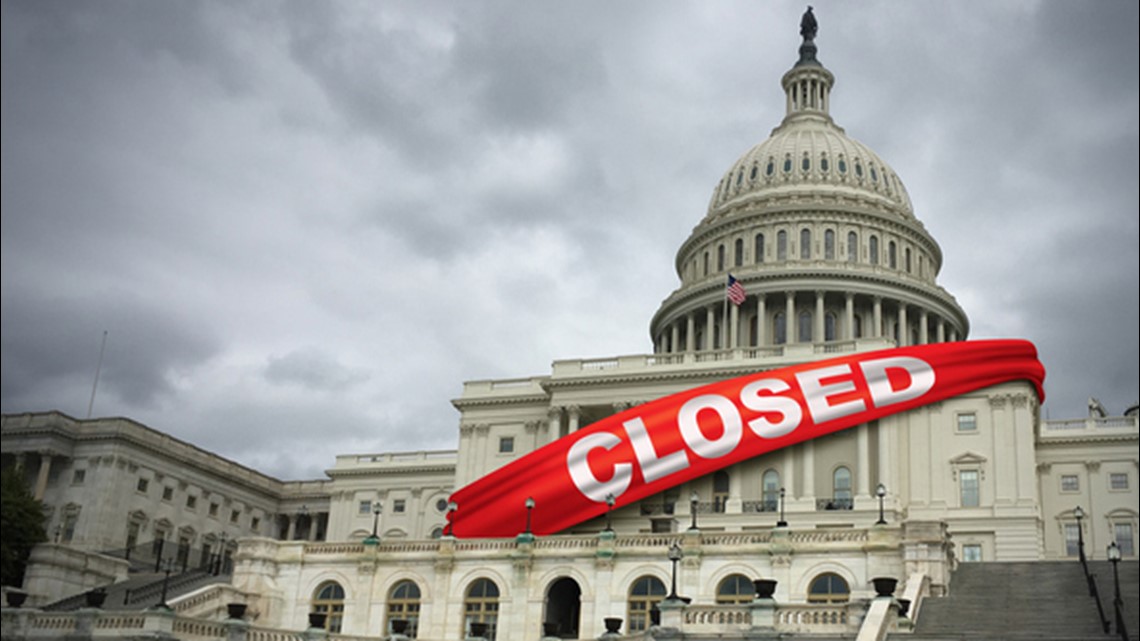
New Delhi, 3rd October: The United States has once again entered turbulent waters as a government shutdown takes effect, leaving millions of Americans uncertain about the stability of their daily lives. Midnight on Tuesday marked the abrupt halt of federal operations—a scenario the nation has not witnessed since 2019. From locked offices to suspended services, nearly a million federal employees now face the daunting reality of missed paychecks, while ordinary citizens confront delays and disruptions that ripple across the economy.
A Failed Vote and Rising Deadlock

The crisis erupted late Tuesday night when the Senate voted on the federal funding bill. Garnering 55 votes in favor against 45 opposed, the measure still fell short of the 60 needed to pass. With Republicans controlling 53 seats and Democrats withholding support, President Donald Trump’s bid to secure funding collapsed. Under US law, Congress must approve the federal budget annually; failure to meet the deadline triggers a government shutdown—a mechanism meant to enforce fiscal responsibility, but one that now brings chaos instead.
President Trump swiftly blamed Democrats for the impasse, warning of looming federal layoffs if negotiations stall. Yet the blame game only underscores the deeper political dysfunction—a standoff that continues to hold millions of Americans hostage to partisan maneuvering.
Immediate Fallout: Federal Offices and Workers in Limbo

The human cost of this shutdown is immediate and stark. Nearly 900,000 federal employees face unpaid leave, leaving families in financial distress. For these workers, the government shutdown is not a political abstraction but a tangible disruption to livelihoods. Critical services such as law enforcement, emergency hospitals, and air traffic control continue, yet most non-essential government operations have either ground to a halt or are operating with skeleton staff.
From routine paperwork to regulatory oversight, the cessation of government operations has created a logistical nightmare. Citizens find themselves navigating closed offices, delayed approvals, and the uncertainty of when normalcy will return.
How Citizens Are Affected

The shutdown’s impact extends well beyond federal employees. Passport and visa processing is slowed, frustrating travelers and international businesses alike. Social programs like Social Security and Medicare continue but struggle under reduced staffing, creating bottlenecks that affect millions of vulnerable Americans.
National parks, museums, and public institutions have shuttered, depriving communities of both cultural enrichment and economic activity. Small businesses reliant on federal contracts face delayed payments, amplifying the slowdown across sectors and threatening broader economic stability.
The Congressional Budget Office warns of severe financial consequences: each day of shutdown costs the US economy nearly $400 million, factoring in lost wages, stalled projects, and cascading disruptions across industries. For a nation accustomed to stability in government operations, the shutdown is a jarring economic shock.
Political Standoff and the Blame Game

Partisan divisions are at the heart of this crisis. Republicans vow to reintroduce the funding bill daily until Democrats compromise, while Democrats insist that President Trump’s unwillingness to negotiate is at fault. In public statements, both sides accuse the other of sabotaging governance, leaving millions of Americans caught in the crossfire.
As the standoff continues, the very functioning of the federal government has become a political bargaining chip. Families, employees, and businesses bear the brunt, highlighting the human consequences of legislative gridlock.
A Shutdown With Far-Reaching Consequences

Beyond the immediate economic toll, the shutdown raises deeper questions about governance and trust. When political deadlock freezes basic operations, the public’s confidence in institutions erodes. Daily life is disrupted, small businesses struggle, and the economy suffers—a reminder that the cost of political impasse is far more than dollars; it is the fabric of societal stability itself.
Opinion analysts argue that the shutdown exemplifies a dangerous pattern in American politics: short-term partisan victories prioritized over long-term national interest. The question is no longer merely about budgetary disagreements but about whether political institutions can function effectively in times of crisis.
A Nation Awaits Resolution
The 2025 government shutdown serves as a stark illustration of the fragility of governance in the face of political deadlock. While critical services continue, millions of Americans face uncertainty, financial strain, and disrupted lives. Until Congress reaches a consensus, the nation remains in limbo—a stark reminder that democracy, while resilient, requires cooperation, compromise, and a commitment to the public good. For now, the United States watches and waits, hoping that reason will prevail over partisanship, and that federal operations will resume before the cost—both human and economic—becomes irreparable.
