
‘You Cannot Dictate Hearing’: SC to Bengal in I-PAC Case
Top court refuses delay plea as ED alleges CM interference in probe

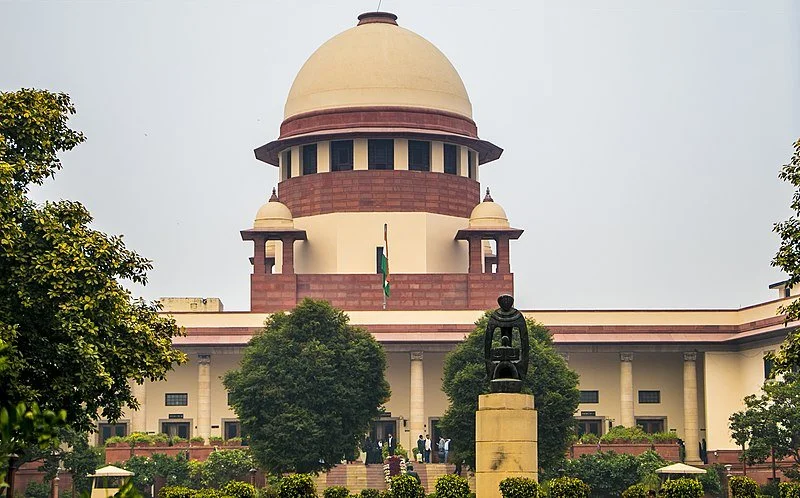
- Supreme Court rejects Bengal’s plea for more time in I-PAC case
- Says parties cannot dictate court on hearing schedule
- ED alleges Mamata Banerjee interfered during raid
- Centre calls delay attempt a tactic to stall proceedings
GG News Bureau
New Delhi, 18th March: The Supreme Court of India on Wednesday told lawyers representing the West Bengal government that they “cannot dictate” when a case should be heard, as it refused to grant additional time in the I-PAC raid matter.
The observation came during the hearing of a writ petition filed by the Enforcement Directorate, which has accused Chief Minister Mamata Banerjee and state officials of interfering in its investigation at the office of Indian Political Action Committee (I-PAC).
The raids, conducted in early January as part of a money laundering probe, have triggered a legal and political confrontation between the Centre and the state government.
Appearing for the Bengal government, senior advocate Shyam Divan sought more time to respond to the ED’s counter-affidavit, arguing that it contained fresh allegations requiring a detailed reply. Senior advocate Menaka Guruswamy also supported the request, citing the need to address new claims.
However, Solicitor General Tushar Mehta, representing the ED, opposed the plea, stating that the affidavit had already been filed on February 19 and that the request was a deliberate attempt to delay proceedings.
Mehta further argued that it was “shocking” for a Chief Minister to interfere in an ongoing investigation by a central agency and alleged that the delay was aimed at stalling the case.
The ED has claimed that Banerjee entered the I-PAC premises with her security during the raids and removed material, calling it a “gross abuse of power.”
The court noted that the rejoinder had already been filed around 10 days earlier and indicated that the matter would proceed without further delay. It also made it clear that court proceedings are not a contest over adjournments.
When Divan said the state felt “handicapped” without filing a response, the bench reiterated that parties cannot dictate the schedule of hearings.
The case continues to draw attention as it sits at the intersection of legal scrutiny and political contestation ahead of crucial elections in West Bengal.
