

Poonam Sharma
1. From Structural Engineer to Urban Disruptor
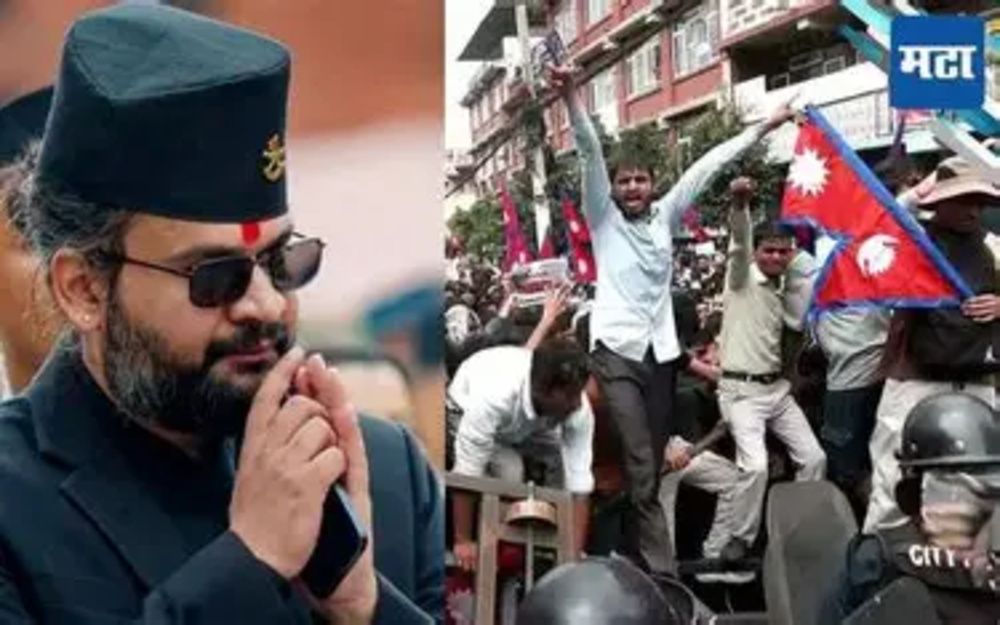
Balen Shah’s journey from a controversial mayor to a potential Prime Ministerial candidate marks a seismic shift in Nepal’s political landscape. Unlike the seasoned bureaucrats of the past, Balen built his reputation on Urban Governance Activism. By physically bulldozing illegal structures and live-streaming city council meetings, he transformed the mundane task of municipal management into a spectator sport of accountability. While critics labeled his “Traffic Confrontation” and threats to “set Singha Durbar on fire” as reckless, his base saw a leader finally willing to bark back at a stagnant system.
2. Nationalism and the Digital Rebellion
A key pillar of Balen’s appeal is his “Cultural Protectionism.” Whether banning Indian films over the depiction of Sita or displaying the “Greater Nepal” map, he has tapped into a deep-seated desire for national sovereignty. This narrative is amplified by his unfiltered social media presence. In an era of polished political PR, Balen’s raw—and sometimes profane—Facebook posts serve as a “Nationalist Gesture” that resonates with Gen Z. His willingness to push boundaries on digital platforms positions him as a rebel figure for those who feel ignored by the traditional “old guard.”
3. The Generational Referendum: Balen vs. the Establishment
The contrast between Balen Shah and veterans like KP Sharma Oli represents a fundamental divide in Nepali priorities. While Oli’s career has been defined by central control and internal party discipline, Balen’s alliance with Rabi Lamichhane and the Rastriya Swatantra Party (RSP) focuses on a non-ideological, anti-corruption framework. The 2022 youth-led protests served as a turning point, proving that the electorate now values authenticity and action over decades of “established experience.” For the Nepali youth, Balen isn’t just a politician; he is a symbol of a nation’s evolving aspirations.
