
Sensex Tanks 1,700 Points Amid West Asia Crisis
Middle East tensions, crude spike and rupee slump trigger sharp sell-off in Indian markets

GG News Bureau
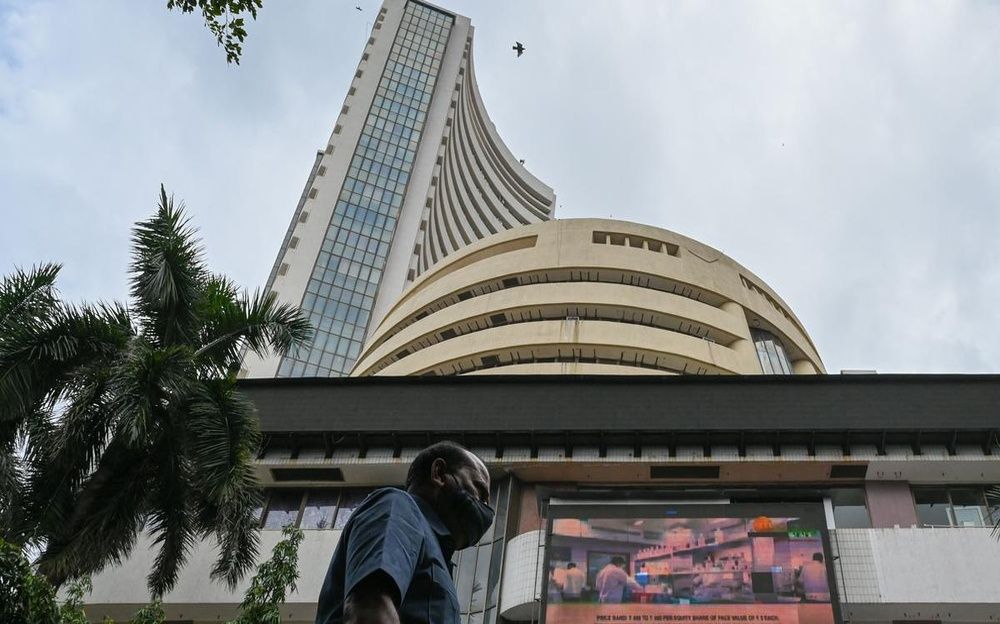
Mumbai, 4th March: Indian equity markets came under heavy pressure on Wednesday as escalating tensions in West Asia triggered a broad risk-off sentiment among global investors.
At the opening bell, the benchmark BSE Sensex plunged more than 1,700 points, or about 2.15 percent, to around 78,493, while the Nifty 50 dropped over 530 points, or 2.1 percent, to trade near 24,344.
Selling was widespread across sectors, with Nifty Auto leading the losses with a fall of nearly 3 percent, followed by Realty and other cyclical sectors. Information Technology stocks were the only segment trading in the green.
Broader markets were also under pressure, with the Nifty Smallcap 250 declining around 2.18 percent and the Nifty Midcap 150 dropping about 2.14 percent. Market volatility surged sharply as the India VIX — widely known as the market’s fear gauge — jumped nearly 16.9 percent to 20, its highest level since May 2025.
Geopolitical tensions weigh on markets
The sell-off comes as the conflict in West Asia entered its fifth day, with Iranian missiles and drones striking locations across the Gulf while the United States continues to pressure Tehran to halt hostilities and return to negotiations.
Adding to the uncertainty, reports indicated that Iran’s Assembly of Experts has elected Mojtaba Khamenei, son of the late Supreme Leader Ayatollah Ali Khamenei, as his successor, a move reportedly backed by the powerful Islamic Revolutionary Guards Corps.
The intensifying geopolitical situation has pushed global oil prices higher, with Brent crude rising above $82 per barrel, raising concerns about inflation and external sector pressures for oil-importing nations such as India.
Rupee hits record low
The turbulence also hit the currency market, with the Indian rupee falling sharply to a record low of 92.08 against the US dollar shortly after trading began, making it the worst-performing currency among Asian peers.
Investors increasingly shifted toward safe-haven assets, pushing the 10-year government bond yield higher and driving demand for gold and the US dollar.
According to Sonal Varma of Nomura, the escalating geopolitical tensions could disrupt global supply chains through FY26 and put pressure on India’s external balances. She warned that Brent crude rising above $85 per barrel would significantly strain oil marketing companies and amplify macroeconomic vulnerabilities.
Global sell-off deepens
Across Asia, markets also reflected the stress. South Korea’s Kospi triggered the lower circuit in early trading, highlighting the scale of global risk aversion.
Foreign institutional investors added to the pressure in Indian markets, with their short positions rising to 84 percent from 82 percent while remaining net sellers in the cash market for the third straight day.
The defensive shift was visible across asset classes globally. The Dollar Index strengthened for the third consecutive session, climbing above 99, while gold prices surged as investors sought refuge in safe-haven assets amid mounting geopolitical uncertainty.
