
India May Recalibrate Oil Strategy Amid Hormuz Tensions
Government reviews Russian crude option as Middle East crisis rattles supply chains

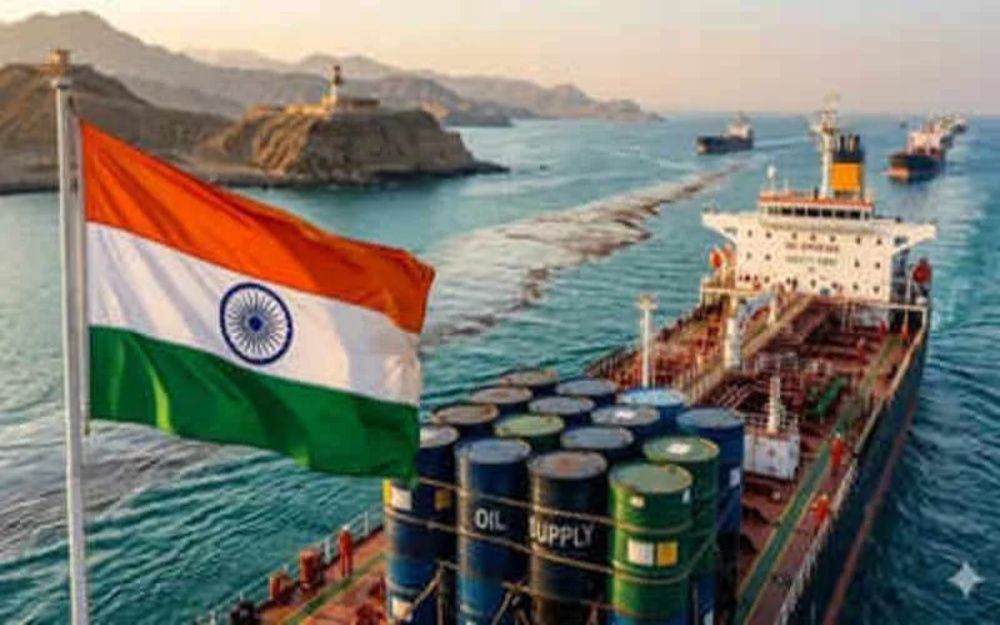
- India activates emergency crude supply strategy
- Govt may curb fuel exports, consider LPG rationing
- Russian oil purchases under review despite earlier pledge
- 2.5–2.7 million barrels/day pass via Strait of Hormuz
GG News Bureau
New Delhi, 3rd March: India is weighing the possibility of increasing crude oil purchases from Russia as part of an emergency supply strategy triggered by escalating tensions in the Middle East, sources indicated.
The move comes barely a month after India had signalled a halt to fresh Russian crude purchases under the broader India–United States trade understanding. However, renewed geopolitical instability — including the reported closure of the Strait of Hormuz — has prompted urgent reassessment within government and energy circles.
The current volatility follows intensifying hostilities involving Iran, Israel and the United States, and the reported demise of Iran’s Supreme Leader Ayatollah Ali Khamenei. Iran has warned of severe retaliation, including threats targeting vessels passing through the strategic Strait of Hormuz.
According to energy analytics data, nearly 2.5 to 2.7 million barrels per day of oil bound for India transit through the narrow waterway. As the world’s third-largest crude importer, India remains highly exposed to disruptions in the Gulf supply chain.
Sources said the government has activated an “emergency crude supply strategy,” with oil marketing companies holding multiple high-level meetings to assess supply-demand dynamics and contingency options. Among the measures under consideration are temporary curbs on petrol and diesel exports, potential tightening of LPG distribution, and exploration of alternative shipping routes.
Significantly, stepping up imports from Russia — led by President Vladimir Putin — is being evaluated as a safeguard against prolonged supply shocks. Russian crude had earlier emerged as a key component of India’s discounted energy procurement strategy following Western sanctions.
Reports suggest that India’s existing commercial and strategic reserves may cover roughly two weeks of consumption under current conditions, underscoring the urgency of securing diversified supply channels.
Officials have not issued a formal statement, but discussions between the petroleum ministry and public sector oil companies are ongoing as authorities monitor developments in West Asia.
