
Jharkhand Crash Aircraft Had No Black Box: DGCA
1987-Manufactured Beechcraft C90A Lacked CVR and FDR; AAIB Probing Fatal Air Ambulance Crash

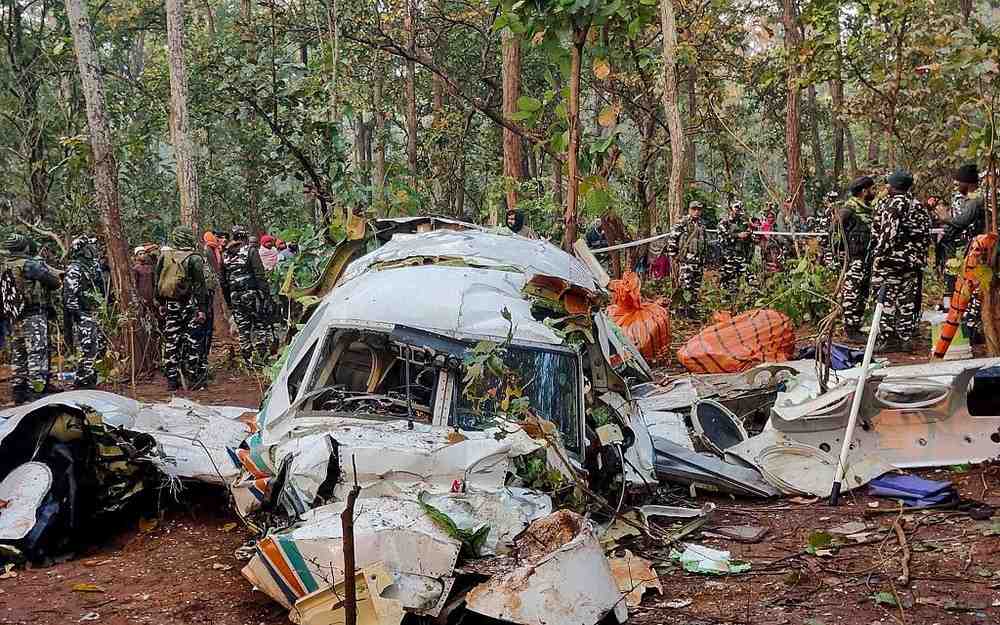
- Seven killed in Beechcraft C90A crash near Simaria, Jharkhand
- DGCA says aircraft had no cockpit voice or flight data recorders
- No mandatory black box requirement at time of 1987 certification
- AAIB investigating second NSOP-linked crash in a month
GG News Bureau
Ranchi, 26th Feb: The nearly four-decade-old Beechcraft C90A aircraft that crashed in Jharkhand on February 23, killing seven people, did not have cockpit voice or flight data recorders, the Directorate General of Civil Aviation (DGCA) has said.
The aircraft, operated by Redbird Airways Pvt Ltd as an air ambulance from Ranchi to Delhi, crashed shortly after take-off in a forested area near Simaria in Chatra district. Five passengers and two crew members lost their lives.
No Mandatory Black Box Requirement
A senior DGCA official said the twin-turboprop Beechcraft C90A was manufactured in 1987 and had a valid airworthiness review certificate till January 20, 2027. However, it did not carry a cockpit voice recorder (CVR) or flight data recorder (FDR), commonly referred to as a black box.
The aircraft’s maximum take-off weight was 4,583 kg. Under existing norms, aircraft below 5,700 kg are required to install CVRs only if their airworthiness certificate was issued on or after January 1, 2016. Similarly, FDR installation is mandatory for such aircraft only if certified on or after January 1, 1987.
Officials clarified that there was no mandatory regulatory requirement to install either CVR or FDR at the time the aircraft received its original Certificate of Airworthiness in 1987.
Investigation Underway
The Aircraft Accident Investigation Bureau (AAIB) is probing the crash to determine the cause.
The accident comes within weeks of another fatal crash involving a Learjet 45 at Baramati in Maharashtra on January 28, in which five people were killed.
In the wake of the recent incidents, the DGCA has announced stricter oversight for non-scheduled operators (NSOPs), including intensive audits and a safety ranking mechanism, stating that safety lapses cannot be attributed solely to pilots.
