
Air India Is a Responsibility, Not Just Business: N Chandrasekaran
Calls aviation sector challenging but critical for India’s growth story

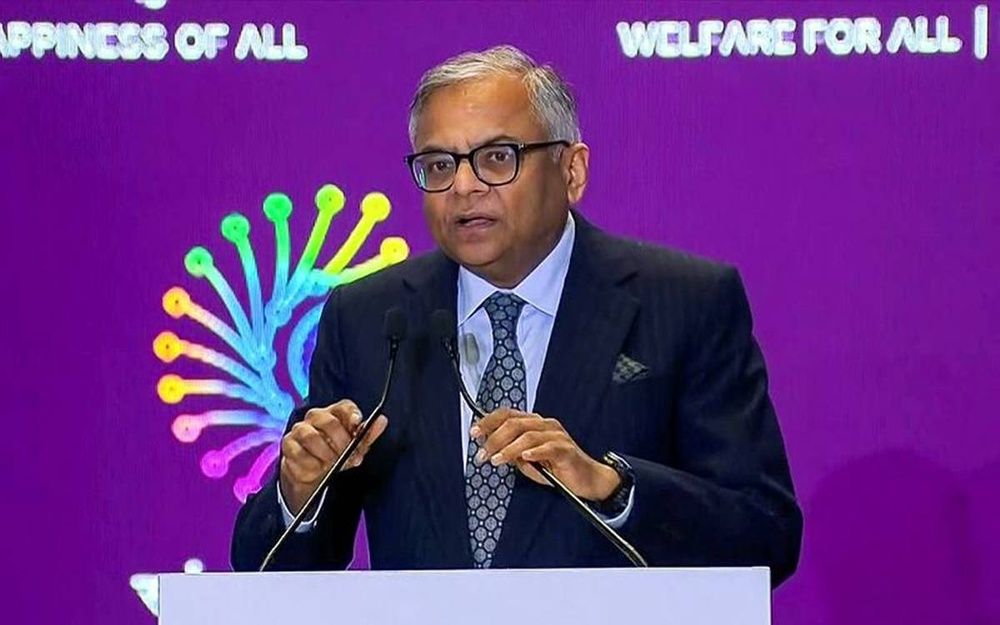
- N Chandrasekaran says Air India is a responsibility for Tata Group
- Cites supply chain disruptions and thin margins as key challenges
- Predicts sustained aviation growth alongside India’s GDP expansion
- Commits to modernising 95–99% of Air India fleet in coming years
GG News Bureau
Mumbai, 24th Feb: Tata Sons Chairman N. Chandrasekaran on Saturday described Air India as more than a commercial venture, calling it a “responsibility” for the Tata Group as it works through a complex transformation process.
Speaking at an event marking the 121st birth anniversary of J. R. D. Tata, Chandrasekaran said the decision to reacquire the loss-making airline in 2022 had raised questions at the time. “When the Group was doing well, why enter such a difficult sector?” he recalled being asked. “But I firmly believe that for the Tata Group, Air India is not just a business opportunity. It’s a responsibility.”
The Tata Group took over Air India and Air India Express in January 2022 and launched a five-year transformation plan. However, Chandrasekaran acknowledged that global supply chain disruptions have slowed progress, particularly in aircraft retrofitting and new plane deliveries.
He highlighted the unpredictable availability of aircraft parts and infrastructure, describing aviation as a capital-intensive industry with thin margins. “Every plan becomes difficult because of the situations you face in this area,” he said, adding that geopolitical developments can abruptly alter flight routes and increase operational costs.
Linking aviation growth to India’s economic trajectory, Chandrasekaran noted that every one per cent GDP growth typically translates into two per cent growth in domestic aviation. With India poised to grow at around 7–8 per cent annually, he projected sustained expansion for the sector over the next three decades.
He said India’s rising consumer confidence, infrastructure spending and aspiration for connectivity would drive air travel demand. “If India becomes a USD 5 trillion economy and grows beyond that, connectivity must work efficiently,” he said.
On fleet modernisation, Chandrasekaran said the airline aims to complete retrofitting of its domestic fleet by the end of this year, with wide-body aircraft upgrades to follow over the next two years. He added that new aircraft deliveries are expected monthly over the next three years, taking 95 to 99 per cent of the fleet to modern standards.
“It will take time,” he said, reiterating the Group’s commitment to building a world-class airline despite operational and geopolitical challenges.
